INSIGHT — Primary-Source Data Reports and Field Notes on Influencer Marketing
Insight (142)
How to Cast Models and Actors: How It Differs from Working with Influencers
Casting models and actors centers on negotiating terms with talent agencies, and proceeds in this order: shortlisting candidates, confirming terms, contracting, and the day of the shoot. This article outlines how it differs from influencer partnerships and what to decide first.
Why Confidentiality (NDA) Matters in Influencer Contracts
When you share an unannounced product or its launch timing with influencers in advance, your contract needs a confidentiality clause. This article covers the premise for protection as a trade secret, how to define confidential information and set an embargo date, and who should confirm what.
Instagram Is Pushing Long-Form Video: What Should Brands Reconsider When Selecting Creators?
Even as Instagram strengthens long-form video, what brands should reconsider first is not their platform allocation but the order in which they verify things. This article summarizes the reported situation and the decisions to make when commissioning long-form content.
How to Include Results That Quantitative Metrics Can't Capture in Your Reports
Results that don't show up in the numbers belong in your report as context for how to read those numbers, tied back to your objectives. This article covers how to categorize comments, how to handle the influencer's own words, how to order the report, and what to agree on in advance.
How to Design Treatment and Experience Slots When Inviting Influencers to a Beauty Brand Launch Event
For experience slots at a beauty launch event, work backward from the number of staff available to decide how many guests to invite, and build each guest's slot to include the experience itself, a break, and time to talk about their impressions.

What Should You Confirm When a Contract Comes Up for Renewal?
Start checking three things one to two months before the end date: a review of past results, any terms you want to revisit, and how to wrap up if you choose not to renew. Check the notice deadline in the contract first.
Which Food and Beverage Products Are Best Suited to Influencer Tasting Events?
Influencer tasting events work best for products whose appeal lies in experiences that are hard to put into words, such as flavor, aroma, and texture. Decide the experience design and the scope of permitted expression first.
How Lead Time to Posting Varies by Industry When Working with Influencers
The more approvals a project has to pass through, the longer the lead time to posting. In beauty and food, claim reviews take the time; in fashion, it's product loans; for overseas brands, it's headquarters approval.
What to Check When Post-Campaign Engagement Rates Fall Short of Expectations
When engagement rates come in lower than expected after a campaign, check the comparison baseline, how the post was delivered, whether the content matched the campaign's goal, and how metrics were chosen, in that order. Then narrow the next fix down to one thing.
How to Avoid Copyright Infringement When Working with Influencers: What to Define in Your Contract
Unless otherwise agreed, copyright in content created by an influencer remains with the influencer. To avoid infringement, the basic approach is to specify in the contract what you will use, on which media, for how long, and whether modifications are allowed, and then never use the content beyond that scope.
Reach vs. Engagement: How to Prioritize KPIs Based on Campaign Stage
Whether to prioritize reach or engagement depends on the stage your campaign is in. Focus on reach when building awareness and on engagement when deepening understanding, and switch your focus as the stage changes.
How Should YouTube Shorts Be Positioned in Sponsored Collaborations?
In sponsored collaborations, the practical approach is to position YouTube Shorts as either a pathway to the main video or as material that pulls out the main video's highlights. This article explains how to align briefs and evaluation for each role.
How to Design Photo-Taking Flow (Photo Spots) for Event Day
Design your event's photo flow by placing several spots outside the main traffic path where guests can shoot without waiting. This article covers four factors (location, number, lighting, and signage) and how to proceed through to the rehearsal.
What Should an Influencer Contract's Termination Clause Include?
An influencer contract's termination clause should cover five things: grounds for termination, a corrective stage, settlement of fees, handling of published posts and footage, and advance notice. This article also explains the 30-day advance notice required for engagements lasting six months or longer, and its exceptions.
What to Do When You Want to Cast an Influencer Who Is Under Contract With a Competing Brand
If the person you want to cast is under contract with a competing brand, don't proceed with a simultaneous engagement. Confirm the contract's term and scope through their agency, then approach them again once the term ends. Whether to wait or switch candidates depends on how much flexibility your campaign schedule has.
Post Count, Revision Rounds, and Usage Period: When Should You Agree on Them, and With Whom?
Present the post count, number of revision rounds, and usage period in the offer itself, alongside the fee and deadline, and confirm them in writing before production begins. This article walks through, step by step, why you should set internal limits first and what to put in writing for each of the three terms.
What Should Influencers Never Say When Posting About Supplements and Health Foods?
In influencer posts about supplements and health foods, avoid statements that assert disease prevention, treatment, or definitive changes to the body. This article explains how to put clear do-say and don't-say guidance into your brief.
What to Decide First When Turning a Brand's Official TikTok into a Serialized Drama
When turning a brand's official TikTok into a serialized drama, decide the setting and characters first, and place the product inside the story as costumes and props. This article draws on a five-episode series from an overseas apparel brand (October 2026).

When and How Should You Communicate Off-Limits Products and Expressions Before Booking an Influencer?
The practical approach is to hand over off-limits products and expressions as a one-page checklist, separate from the contract, right after the influencer is confirmed, and to confirm them verbally in the pre-production meeting. This article outlines who does what at each stage, a three-category framework, and the points where things tend to go wrong.
What Goes Wrong When You Set the Wrong Goal for an SNS Activation
If you define the goal of an SNS activation only by attendance or post counts, the experience gets thin, what people say about it lacks consistency, and the campaign ends as a one-off. This article lays out the right order: decide first what attendees will say when they leave, then set the numbers as a result of that. It also covers how to get back on track if you notice the problem midway.
Working with Minor Influencers: How Consent and Contracts Change the Process
When you commission an influencer under 18, you need to confirm the consent of a parent or guardian (legal representative) first. This article outlines who to check with by age and affiliation, and what to settle at the request stage.
When You Repurpose an Influencer's Post as an Ad, How Do Disclosure and Permissions Change?
When you use an influencer's post in paid advertising, you need to set the scope, period, and disclosure separately from the original post. This article outlines what to check for each type of use, and the four points to settle at the time of the request.
How Broadly and for How Long Should Exclusivity (Limits on Work for Competitors) Apply?
As a rule, exclusivity should be limited to the scope the campaign's objective actually requires. This article explains how to define product category, duration, and platforms in writing before signing, using a comparison table of light versus heavy restrictions and a step-by-step order for the discussion.
What Is Misleading Representation of Quality (Yuryo Gonin)? Which Influencer Post Expressions Can Cause Problems
Misleading representation of quality (yuryo gonin) is a type of labeling that makes quality or content appear significantly better than it actually is. It is a separate issue from PR disclosure, and posts in which the advertiser was involved in the content can be subject to it. This article organizes common phrasing patterns, how to reword them, and how to divide responsibility for checks at the request stage.
What You Learn First When You Start a Casting Job With No Experience
When you start a casting job with no experience, the first four things you learn are how to find candidates, how to write a request, the rules for PR labeling, and how to read the numbers. This article explains where in the six stages of a project each skill is needed, where to start, and what we want you to know before you join, using only facts from our recruitment page.
What Does a Casting Agency Do After an Influencer Has Been Selected?
After an influencer is confirmed, a casting agency's work falls into five areas: documenting the terms, handing over products and materials, reviewing the content and PR disclosures, coordinating the posting date, and collecting results and reporting after the post goes live. This article explains what the agency does at each step so that what was agreed on reaches the post without drifting.
How Does the New Freelance Act Apply to Influencer Requests?
Requests made to individuals with no employees, or to single-director corporations, fall under the new Freelance Act. As soon as you make a request, you must state the terms in writing or by message and pay by the due date. This article explains how to tell which category a counterpart falls into and what additional obligations apply to long-term contracts.
How to Work Backward from the Venue to Decide How Many Guests to Invite to an SNS Activation
The number of guests you can invite to an SNS activation per session is not set by venue capacity. It is capped by whichever is smallest of three things: the number of places guests can take photos, the time each guest spends on the experience, and the number of staff available to accompany them. This article covers how to split guests into time slots and what to strengthen as headcount grows.
5 Things to Sort Out Before You Talk to a Casting Agency
Before consulting a casting agency, it helps to sort out five things: your objective, the audience you want to reach, timing, expressions and competitors to avoid, and your internal approval flow. A table shows what changes once each is settled, followed by common stumbling points and the order in which to write things down first.

What Does a Casting Coordinator Actually Do on Event Day?
On event day, the casting coordinator welcomes the influencers who have been invited, shapes how their time at the venue unfolds, and reworks the plan on the spot when guests arrive late or cancel. This article lays out the flow from before doors open to the days after in a table, and covers who is well suited to the role, who is not, and what to know before joining.
How to Measure SNS Activation: Three Layers — Post Rate, UGC, and Branded Search
The effectiveness of SNS activation is measured not by attendance, but across three layers: posts by invited guests, posts by general attendees (UGC), and branded search afterward. This article uses a table to show what each layer reveals and when to measure it, and outlines how to order your internal reports and what to decide at the planning stage.
When a Brand's Operating Company Merges or Restructures: What to Check on Influencer Campaigns Already Underway
An announced merger or restructuring of a brand's operating company is not a reason to halt your campaigns. This article walks through four points to check: the contracting party, the approval contact, the scope of content usage rights, and the advertiser name. It also explains how to write the date of any change into contracts and schedules, organized by scenario.

Who Is (and Isn't) Suited to Casting Work
People who suit casting work are those who can research and ask questions on their own, take pleasure in making others happy, and plan backward from where they want to be in a few years. It is not a good fit for those motivated by publicly showcasing their track record, or those who expect systematic training. Drawing on our recruitment page, we explain the reasons by connecting them to the substance of the job.
How to Make a Pop-Up Spread on Social Media: Where to Focus Your Venue Design
Pop-up posts increase when you place one trigger for posting at each of four points: the entrance, the experience area, the photo area, and the exit. This practical guide to social media activation covers what to place at each point, how each connects to posts, and how to shift your emphasis between invitation days and public days.
Do Posts by Ambassadors, Employees, and Store Staff Need a PR Label?
Whether a PR label is required depends not on a person's job title, but on whether the brand is involved in the content of the post. This article organizes guidelines for judging cases involving ambassadors, employees, store staff, and business partners, based on the Consumer Affairs Agency's operating standards, along with what to define in your internal rules.
SNS Activation vs. Event Promotion: What's the Difference?
The difference between SNS activation and event promotion lies in where the design ends. Event promotion centers its results on the experience at the venue. SNS activation designs from the start for that experience to be posted and to reach people who never attended. This article uses a table to compare the order of decisions and the numbers each approach measures.
What Does an Influencer Casting Job Involve? Six Responsibilities and a Day in the Life
A job-introduction article explaining what influencer casting work involves, what a typical day looks like, and who is and isn't well suited to the role.
Where Does Casting Slow Down for Foreign Brands That Need Headquarters Approval?
A situational article explaining the three stages where waiting occurs in influencer casting for foreign brands that require headquarters approval, and what can be prepared in advance.
What Changes When You Design a New Product Launch Event as an SNS Activation?
A situational article explaining how designing a new product launch event as an SNS activation changes four areas: program, venue, invitations, and post-event follow-up.

When an Experiential Event Doesn't Generate Posts, Which Parts of the Design Should You Review?
A situation-based guide to what to do when an experiential event produces few posts. Instead of blaming attendees, it walks through checking five design points: invitations, the experience itself, photo spots, time allocation, and follow-up communication.

What Does "Brand Fit" Mean for an Influencer, and What Should You Look At to Judge It?
A definition-focused article that explains what it means for an influencer's "world view" to match a brand, using four concrete checkpoints: photo color and composition, tone of voice, the kinds of things they have featured, and their closeness to followers.

Which PR Disclosure Wording Is Enough? Understanding the Differences Between "#PR," "#Provided," and "#SponsoredCollaboration"
A rules-based article explaining which PR disclosure wording is sufficient, using the standard of whether it is clear to ordinary consumers.

How to Run an SNS Activation: From Planning to Measuring Posts
A practical guide to running an SNS activation, broken down into five steps from clarifying objectives to measuring posts.

You've Received a List of Influencer Candidates: What Should You Look at When Choosing?
When you receive a list of influencer candidates, don't start with follower counts. Review them in this order: how well their aesthetic fits your brand, who their followers are, how well the request fits their usual posts, and how their past PR posts look.

How Can You Increase Posts from General Visitors at In-Store and Shopping Complex Events?
To increase posts from general visitors at in-store and shopping complex events, you need to design three elements separately from the experience built for invited guests: places people want to photograph, easy prompts for posting, and ways to use waiting time.

What Is an SNS Activation Planner? Role, Daily Flow, and Who It Suits
An SNS Activation Planner handles an experiential campaign from planning through influencer selection, day-of operations, and results reporting, all as one person. This article lays out the job's duties, daily flow, and fit, based on the facts in our recruitment page.

What Makes a Product Suited or Unsuited to SNS Activation?
Whether a product suits SNS activation depends on two things: whether its difference only becomes clear when people touch it, and whether its world can be shown as a physical space. Here is how to tell the two apart, and what to switch to when a product is not a good fit.

What Happens If You Violate the Stealth Marketing Rules? The Path to a Cease-and-Desist Order and the Impact on Your Brand
A business that violates the stealth marketing rules receives either administrative guidance or a cease-and-desist order, and in some cases a surcharge payment order and public disclosure. This article outlines the process leading up to a cease-and-desist order and what brands and agencies should check at the time of the request.

Is PR Labeling Required Even for Optional-Post Gifting?
Even when a company provides products with posting treated as optional, PR labeling may still be required depending on the nature of the compensation and the business relationship. Simply stating that posting is "optional" does not, by itself, justify omitting the label.

What to Decide Before Requesting an SNS Activation
Before requesting an SNS activation, organizing six points in advance—objective, target audience, timing, venue conditions, disclosure/approval flow, and how to measure results—helps move consultations forward concretely.

What Is SNS Activation? — A Method for Designing Experiences All the Way Through to Being Talked About on Social Media
SNS activation is an approach to activation that designs not only the experience itself, but also the process by which that experience gets talked about on social media. Here we clarify its relationship to brand activation, when it's a good fit, and how the process unfolds.

What Is Instagram's Sponsored Collaboration Tag (Branded Content Tool)?
The branded content tool is an official Instagram feature that clearly shows the brand name on a post. Used together with PR disclosure, it forms the foundation for complying with stealth marketing regulations.

What Is the Right of Publicity, and Why Does It Matter in Influencer Casting?
The right of publicity (likeness rights) protects individuals from having their appearance photographed, published, or used without consent. In influencer casting, this right must be respected not only when agreeing to the content of a post itself, but also whenever that material is repurposed for advertising.

What Should Be Included in an Influencer Contract at Minimum?
An influencer contract should, at minimum, cover six items: schedule, deliverables, compensation terms, expense allocation, rights, and prohibited matters. Omitting any of these can easily become a source of trouble later on.

How Influencer Casting Differs Between Invitation-Only Events and Open Pop-Ups
Invitation-only events center on guest list design and RSVP management in advance, while open pop-ups are designed to encourage natural discovery and posting by drawing on the serendipity of walk-in visits.

How Should Viral TikTok Posts Inform Future Casting Decisions?
When a TikTok post goes viral, you should break down the factors behind its success and use those insights not only to decide whether to re-engage the same influencer, but also to inform the selection of other influencers.

How Should You Evaluate Results When KPIs Weren't Agreed Upon in Advance?
When KPIs haven't been agreed upon in advance, rather than setting KPIs after the fact, you should return to the objective of the initiative, qualitatively organize what was achieved and what challenges remain, and use that to inform KPI design for the next initiative.

How Long Should You Track the Increase in Branded Search Volume?
The increase in branded search volume should be tracked not only immediately after publication but also over the 2-4 weeks that follow. This is because searches can increase with a delay, as a lingering effect of the buzz created.

How Far Back Should You Check an Influencer's Past Posts Before Hiring Them?
Before hiring an influencer, you should check the tone of their posts over the past six months and whether there have been any incidents of backlash or near-backlash. Reviewing their comment exchanges with followers also gives you material for judging compatibility.

Instagram Reels, Feed, and Stories: Which Format Suits Sponsored Collaborations?
Reels are best suited for driving reach, feed posts work well for information you want saved and revisited, and Stories are ideal for conveying a sense of exclusivity or immediacy. In practice, it's most effective to combine multiple formats depending on your objective.

Who Is Subject to Stealth Marketing Regulations, and Can Brands Be Held Responsible?
The subject of stealth marketing regulations is the business supplying the product or service — in other words, the brand. It is not the individual influencer but the commissioning company that can be held liable for violating the Act against Unjustifiable Premiums and Misleading Representations.

Who Should Ultimately Be Responsible for Reviewing Sponsored Collaboration Post Content?
Reviewing the content of sponsored collaboration posts shouldn't be something a brand handles alone—it should be done in partnership with the casting company. The casting company should check for proper PR labeling and any deviation from the influencer's usual tone, while the brand should verify factual accuracy and alignment with brand intent. A system where both sides review the content together reduces the chance of oversights.

Should Gifting Be Sent Before or After a New Product Launch?
Sending gifts before launch creates a sense of exclusivity through early access, but you need to secure enough time between shipping and posting. Sending after launch sacrifices that exclusivity but makes it easier to build in scheduling flexibility.

Per-Post Contracts vs. Period Contracts: Which Should You Choose?
If your goal is a one-off spike in buzz, a per-post contract is the right fit. If your goal is building an ongoing relationship with the brand, a period contract is better suited. The objective should come first, and the contract format should follow from it.

What Profile Access Counts and Follower Growth Numbers Really Indicate
Profile access counts indicate how strongly viewers of a post wanted to learn more about a brand, while follower growth numbers indicate the extent to which that interest developed into an ongoing relationship.

What Should Influencers Actually Experience at Hands-On Events and Launch Events?
Rather than simply having influencers listen to a product explanation, providing an opportunity to actually use and touch the product makes it easier for specific episodes to find their way into posts.

How Should YouTube Audience Retention Be Used to Evaluate Sponsored Collaboration Videos?
Evaluating YouTube sponsored collaboration videos should go beyond view counts to examine audience retention and identify at what point viewers drop off. Once you know when drop-off occurs, you can apply script and editing improvements to future casting decisions.

What Should You Say First in an Initial Offer to an Influencer?
What matters most in an initial offer isn't the terms, but why you want to work with that specific person. Terms can be fully conveyed in a follow-up message, and getting the order wrong changes how the offer is received.

How Should You Count the Number of UGC Posts?
The number of UGC posts should be counted not just through hashtag searches, but through a system that also captures brand name spelling variations and untagged mentions.

What's the Difference Between Mandatory-Post Gifting and Optional-Post Gifting?
Mandatory-post gifting is effectively a sponsored collaboration involving compensation and a contract, while optional-post gifting is a goodwill-based initiative where simply delivering the product is the goal. Because the underlying purpose and cost assumptions differ, request messages need to be designed separately for each.

How Should You Assign Visit Dates When Inviting Influencers to a Pop-Up Store?
The basic approach to scheduling influencer invitations for a pop-up store is to concentrate high-buzz influencers early in the run and broaden the mix toward the later days. Be careful not to cluster too many invitations on the same day, as crowded flow lines can lower the quality of the experience.

How Should the Length of a YouTube Sponsored Collaboration Change Depending on Your Objective?
For YouTube sponsored collaborations, short-form videos suit awareness-building objectives, while long-form videos that show actual usage scenes suit objectives focused on deepening product understanding. Length should be determined by working backward from the objective, not decided upfront.

What Makes Overseas Influencer Campaigns Different from Domestic Casting?
In overseas campaigns, because the language of communication and the target market differ, processes not required in domestic casting—such as translation review of post content and checks for local cultural taboos—become necessary.

When and How Should You Send a Thank-You Message After an Event?
Sending an individual thank-you message within a few days after an event, and responding promptly when you spot related posts, helps build the foundation for future relationships.

What Do Sponsored Posts That Tend to Go Viral for the Wrong Reasons Have in Common?
Exaggerated claims of effectiveness, comparisons with competitors, and unclear PR labeling are common triggers that spark backlash.

How Far Should Brands Go in Reviewing Video Titles and Thumbnails?
Since video titles and thumbnails are factors that influence view counts, they should not be left entirely to the influencer's discretion. Brands should at least check in advance that the brand name is displayed correctly and that there is no misleading wording.

Broad-and-Shallow Reach vs. Narrow-and-Deep Engagement: Which Should You Choose?
Rather than casting a wide net with high-reach influencers, narrowing your selection to a small number of influencers whose worldview and tone of voice align closely with your brand makes it easier to achieve both awareness and brand protection.

How Time Spent at an Event Shapes the Persuasiveness of Posts
When attendees spend too little time at an event, posts tend to stay at the level of surface-level photos. Securing enough time for guests to genuinely experience the event tends to make posts more persuasive.

How Far Can Brands Go When Asking an Influencer to Delete a Post?
Since the post belongs to the influencer, the final decision on whether to delete it must rest with them. The brand's role is limited to explaining its reasons and making a request for deletion.

Why Measuring Sponsored Collaborations and UGC Requires Separate Metrics
Sponsored collaboration posts and UGC arise from fundamentally different mechanisms, so they should be tallied separately. Sponsored collaborations should be evaluated as commissioned results, while UGC should be assessed as a ripple effect triggered by the campaign—each on its own axis.

When Should You Separate Photo-Taking Walkways at Events?
If the goal is to secure wait times and angles for photography, it's best to separate walkways only during congested periods. Permanent separation can look like special treatment and undermine the event's atmosphere.

Why Casting Decisions and Campaign Evaluation Should Use Different Metrics
Per-post figures for individual influencers and the overall reach or total UGC volume of a campaign are metrics serving different purposes and should be viewed separately. The former informs casting decisions, while the latter serves as material for evaluating the campaign as a whole.

Instagram, YouTube, and TikTok: How Should PR Labeling Differ for Sponsored Posts?
On Instagram, YouTube, and TikTok, the top priority should be enabling each platform's built-in sponsored content labeling feature. Caption wording should only serve to supplement this setting.

What to Adjust When Reusing the Same Video Across Instagram, TikTok, and YouTube
When rolling out the same sponsored collaboration video across multiple platforms, there's no need to recreate the material from scratch. However, whether you make light adjustments to caption placement, opening presentation, and video length according to each platform's conventions can significantly affect engagement.

What Do Likes, Saves, and Shares Actually Mean?
Likes, saves, and shares tend to get lumped together as "engagement," but each signals something different. In practice, saves and shares tend to be better clues for capturing reactions from audiences closer to purchase consideration.

Measuring Sponsored Collaboration Results: What to Track Right After Launch vs. One Month Later
Measuring the effectiveness of sponsored collaborations requires tracking different metrics immediately after launch versus one month later. Mechanically monitoring the same metrics throughout risks overlooking effects that are actually there to be seen.

What Is an Experience Event? How Does It Differ from a Press Launch?
An experience event is an opportunity for participants to actually try a product or service. Unlike a press launch, which centers on communicating information, an experience event is defined by the fact that participants' firsthand experience itself becomes the core content.

What to Do When an Influencer Changes Engagement Terms After the Fact
If an influencer changes the engagement terms after the fact, go back to the contract, respond flexibly to minor changes, and require written re-agreement for changes affecting post content or deadlines. Avoid relying on verbal approval alone.

What to Do When an Influencer Withdraws After Signing a Sponsored Collaboration Contract
If an influencer requests to withdraw after a contract has been signed, you should follow the cancellation clause in the contract, confirm the reason for withdrawal, and promptly move forward with switching to an alternative candidate. Forcing performance of the contract is not advisable.

Given TikTok's Short Length, How Should Brand Messaging Be Incorporated?
Because TikTok videos are short, it's effective to narrow down the message you want to convey to just one and present it at the very beginning. Packing multiple appeals into a single video makes viewers more likely to drop off, so the basic approach is to split each appeal into a separate video.

What Is Seeding? The Meaning of Product Seeding and How It Differs from Gifting
Seeding is a campaign in which you send a product to someone and let them share their experience after actually using it. No post is promised; once a post is made a condition, it becomes a sponsored collaboration. The differences between seeding, gifting, and sponsored collaborations are summarized in a table.

From Casting Request to Talent Agreement: How Much Lead Time Should You Allow?
The lead time from a casting request to the talent's agreement should not be underestimated—it's best to plan for a longer timeline. The range varies depending on whether you're working through an agency or contacting the individual directly, and if the process overlaps with holidays or busy seasons, you should start earlier than usual.

What to Do When a Sponsored Collaboration Post Is Published Late
If the publication date of a sponsored collaboration post slips, the first step is to share this with relevant departments on the brand side, and avoid pressuring the influencer for an immediate same-day post—this helps preserve the relationship.

How Do Materials Brands Should Prepare Differ Between Sponsored Collaborations and Ambassadorships?
A one-off sponsored collaboration only requires sharing product information and usage scenarios, but an ambassadorship requires preparing materials that convey the brand story and worldview as well. The depth of information should be tailored to the contract format.

What Is a Photo Spot, and Why Does Event Design Need One?
A photo spot is a photography space designed with social media posting in mind. It draws out voluntary photo-taking from attendees, functioning as a mechanism that naturally spreads word of the venue without forcing anyone to post.

What Elements Are Essential in a YouTube Sponsored Collaboration Script?
The essential elements of a YouTube sponsored collaboration script are three: a hook at the start that gives viewers a reason to keep watching, clear PR labeling, and a summary of key points at the end. Everything else can be left to the creator's discretion.

What Happens to the Contract When an Engaged Influencer Is Involved in a Scandal
When a scandal involves an engaged influencer, the first step is to suspend ongoing posts based on the compliance clause in the contract, then confirm the facts before deciding whether to continue the contract. Defining criteria in advance is essential.

What to Do If a Sponsored Collaboration Post Goes Live Without PR Labeling
If a post goes live without PR labeling, you should contact the influencer as soon as you notice and request a correction or addition of the label. The longer it's left unaddressed, the higher the risk becomes.

When Is the Right Time to Switch from a One-Off Sponsored Collaboration to an Ambassador Contract?
The best opportunity to switch from a one-off sponsored collaboration to an ambassador contract arises when strong audience response and the influencer's own intent to continue align. This decision should never be made based on just one of these factors—both must be confirmed before moving forward.

What Do Offers That Get Declined Have in Common?
Offers that tend to get declined share two common traits: a mismatch between the product and the influencer's usual content, and overly strict revision terms. Both can be avoided with a fit check before making the offer.

Can We Request Additional Permission for Secondary Use Later?
Requesting additional permission for secondary use is possible, but if it exceeds the original contract scope, you must not stretch the interpretation of the existing agreement—you need to conclude a new permission agreement. Making a specific request before use begins is the standard practice.

What Causes Casting Schedules to Fall Behind?
Casting delays are caused less by candidate selection than by the back-and-forth of waiting for replies and negotiating terms after the initial offer. Reaching out to multiple candidates in parallel and presenting terms all at once are effective countermeasures.

How to Explain Influencer Campaign Results Beyond Sales Figures
Results beyond sales can be explained by accumulating intermediate metrics such as trends in branded search volume, the spread of UGC, and shifts in favorable mentions. This requires establishing baseline figures before the campaign begins.

What Kind of Natural Follow-Up Message After Gifting Encourages Posts?
The message you send after shipping a gift should ask about the recipient's impressions rather than request a post. A considerate word of concern tends to lead more naturally to an organic post.

When TikTok Comments Get Heated: How Should Brands Get Involved?
When a TikTok comment section gets heated, the basic approach is for brands to avoid direct intervention, leaving comment management to the influencer, and only taking action—such as reporting—when clear defamatory content appears.

How Far Can Influencer Posts Go When Promoting Beauty Brand Ingredients and Effects?
Claims about beauty brand ingredients and effects should stay within the realm of user impressions, avoiding definitive statements. Simply labeling a post as a "personal opinion" does not resolve the problem of definitive claims.

What to Do Next When an Influencer Declines Your Casting Offer
When a casting offer is declined, the practical approach is to avoid probing for reasons, simply confirm whether future outreach is welcome, and proceed in parallel with offers to other candidates.

When an Influencer's Post Goes Viral for the Wrong Reasons, Should the Brand Delete It?
Deleting a post immediately after backlash begins can be perceived as a cover-up. The basic approach is to first confirm the facts, decide on a response policy, and then act—accompanied by an explanation if necessary.

How Should Venue Operations Change When an Invited Influencer Cancels at the Last Minute?
When a last-minute cancellation is confirmed, the priority is to first adjust the venue operations flow so that attendee experience isn't compromised, before considering backup candidates or bumping up general guests.

How Far Should You Specify the Text and Shot Composition of a Sponsored Post?
In sponsored posts, brands should only specify facts and required disclosures. Dictating the text structure or shot composition in detail makes the content feel too promotional and increases the risk of the influencer declining the post.

How Far Should Correction Requests to Influencers Go?
Correction requests should be limited to matters involving rules such as factual errors or PR labeling. Specifying phrasing or tone can lead influencers to decline the post, so it's best to leave the expression itself up to them.

Why High Engagement Rates Don't Always Translate Into Results
High engagement rates don't always translate into results because there is a mismatch between an influencer's follower base and a brand's target audience. It's necessary to check other metrics as well, such as saves and branded search volume.

What to Do When an Influencer Is Late or Absent on the Day of Your Event
When you learn on the day that an influencer will be late or absent, the first priority is to rearrange the check-in flow and photo order to protect the experience of your other guests. Sharing communication rules in advance reduces confusion on the day.

When Gifting Comes With No Posting Obligation and No Post Follows, Is It Okay to Follow Up?
When an influencer doesn't post after receiving gifted product with no posting obligation attached, brands should avoid following up and instead limit contact to a considerate message like "How are you enjoying the product?" The posting rate should be treated as material for reviewing campaign design, not as a metric for evaluating individuals.

How to Keep TikTok PR Posts from Feeling Too Corporate
To keep TikTok PR posts from feeling corporate, the shortcut is to share only the key points rather than a detailed script, leaving speaking style and editing to the creator. PR labeling must always be clearly indicated separately.

The Job of Creating an Experience vs. the Job of Creating a Talked-About State — Where Does Activation Design Branch Off?
Brand activation is the work of creating a space for experience. SNS activation is the work that extends all the way to that experience being talked about. When an event goes off without a hitch but no posts follow, where did the design branch off? We break it down from a practical standpoint across four points: invitation, experience, on-site flow, and follow-up.

Same Product, Different Results: How Brief Granularity Shapes the Outcome — A Practical Guide to Briefing Design
Even when the same product is entrusted to the same type of influencer, the granularity of the request (the brief) changes the quality of the resulting post. This practical discussion untangles what goes wrong at each extreme—briefs that are too vague and instructions that are too detailed—and presents a framework for briefing design: state only the non-negotiable elements clearly, and leave the creative voice to the influencer.

Casting Success or Failure Is Largely Decided at the List Stage
What determines the quality of a casting list isn't the number of candidates, but how thoroughly you've examined alignment with objectives, brand world, past context, and audience fit. Here we break down the pitfalls that a thin alignment review creates downstream, through six factors and the chain reaction they set off.

Instagram, TikTok, or YouTube — How to Choose the Right Platform for Your Goals
Rather than asking which platform "works best," the right answer depends on your objective and the nature of your product. This article organizes the distinct characteristics of Instagram, TikTok, and YouTube, examines their fit with goals such as awareness building, name-search intent, and purchase decisions, and outlines what to keep in mind when combining multiple platforms.

A Guide to Designing Check-In for Invitation-Only Events: How to Avoid a Queue Right After Doors Open
Event queues are not determined by how efficiently the check-in staff work, but by the relationship between the arrival peak and the speed of check-in. This guide breaks check-in for invitation-only events into four steps (identifying the guest, matching, recording, and guiding), and sets out from a practical perspective how many staff you need and what to decide in advance.
QR Code Check-In for Events: What Changes Compared with Paper Guest Lists
What QR code check-in really changes is less the speed of check-in than the ability to view the same guest list in multiple places, at the same time, in its latest state. This article compares QR check-in with paper lists, outlines the steps for switching, and covers the situations where paper is still needed.

How Event Invitations and SNS Posts Reinforce Each Other: The Conditions That Turn an Experience into Content
Drawing on our in-house capabilities in both event production and casting, we break down how invitation design changes the quality and volume of posts across three stages: before, during, and after the event.

Gifting or Sponsored Collaboration — A Blueprint for Choosing Based on Your Objective
This practical discussion for agency and brand professionals organizes the choice between gifting and sponsored collaboration around three axes—objective, certainty, and expression control—and presents a decision flowchart along with a framework for combining both approaches to build a core message and expand its reach.

How to Choose an Influencer Casting Company — 7 Points to Compare
This article organizes the 7 key points to evaluate when comparing influencer casting companies, along with the questions to ask at each stage before placing an order. From the rationale behind candidate lists to compliance readiness, it lays out neutral comparison criteria applicable to any company you're considering.

Designing KPIs for Influencer Campaigns — How to Combine Reach, Engagement, and Branded Search
If you only track direct traffic or follower count changes, you risk misjudging the true impact of an influencer campaign. This article organizes a way of thinking about KPI design that combines three layers—reach, response, and action—with two time horizons—immediately after posting and several weeks later—for those who feel uncertain about measuring results after placing an order.

Inviting Influencers to Brand Events: The Process from Building the Guest List to Confirming Posts
Inviting influencers to a brand event involves seven steps: building the guest list, approval, invitation, RSVP management, on-the-day hosting, post confirmation, and reporting. This article walks through, from a practical standpoint, what is decided at each step, where things tend to get stuck, and what the client can prepare to keep things moving quickly.

What Are KOLs and KOCs? How They Differ from Influencers and When to Use Each in Japan
A KOL is a content creator trusted for their expertise and authority; a KOC is a creator supported for their closeness as an everyday consumer. This article compares both terms with the Japanese word "influencer" in a table, explains how the lens differs between cross-border and domestic campaigns, and shows how overseas brand managers can rephrase these terms when briefing their Japan team.

Why Luxury Brand SNS PR Is So Difficult — Balancing Brand World and Reach
Why does SNS PR for luxury brands feel so difficult? We break down three structural contradictions—scarcity versus reach, control over brand world versus authenticity, and short-term numbers versus long-term brand value—along with the four approaches we take in practice to work with them.

Designing Experiential Events When Inviting Influencers for Outdoor Brands
Experience-based events such as running, hiking, and camping require a different design approach than post-quota sponsored collaborations. Here's how the criteria for selecting talent and the on-site operations should change.

What Is PR Labeling for Sponsored Collaboration Posts? The Basics of Stealth Marketing Regulation and a Practical Framework
Drawing on information published by Japan's Consumer Affairs Agency, this article organizes the basics of the Stealth Marketing Regulation under the Act against Unjustifiable Premiums and Misleading Representations, and presents a practical framework for who—brand, agency, or influencer—should prepare and verify PR labeling.

Reach vs. Impressions: How to Read the Numbers in SNS PR Reports
For advertising agency staff and brand managers, this article organizes how to interpret the reach, impressions, and engagement rate figures that appear in social media sponsored collaboration reports. It explains how the same number can carry different meanings depending on how the denominator is set or how platform specifications change.

Designing Invitations to Raise Your RSVP Response Rate: Why Attendance Replies Don't Come In, and What to Do About It
In most cases, low RSVP response rates stem not from a lack of interest among invitees but from how the invitation itself was designed. This article looks at four design factors that affect response rates: the effort required to reply, deadlines and reminders, the amount of information in the invitation, and scattered reply channels.

What Is Secondary Use of Posted Content? The Basics and Cautions of Repurposing for Advertising
When you want to repurpose an influencer's post for advertising or an e-commerce site, there are five items to decide in advance—scope, duration, editing, credit, and compensation—and presenting these conditions before casting makes negotiations easier. This article also covers precautions when third-party rights are involved.

What Is an Ambassador? How It Differs from a One-Off Sponsored Collaboration, and Which Fits Your Needs
What actually separates an ambassador arrangement from a one-off sponsored collaboration? This foundational explainer organizes the structural differences across four axes—duration, depth of involvement, exclusivity terms, and how results play out—and covers which brands and objectives each approach suits, along with what to decide before getting started.

What Is Brand Activation? The Basics of Event Design in the Social Media Era
This article defines brand activation and explains how the yardstick for success has shifted in the social media era. It also covers the conditions under which posts are generated for each of three formats: pop-up stores, launch events, and experiential events.

What Is Gifting? How It Differs from Sponsored Collaboration and When Each Fits [Basics]
What is the difference between gifting and sponsored collaboration? This basic guide breaks down the structure along four axes: contract, involvement, certainty, and control over brand worldview. It then shows which approach suits each goal (awareness, UGC, or attitude change), along with the key points that decide the choice.

What Is Influencer Casting? How It Works and the Request Process [Basics Explained]
This article explains influencer casting from end to end—what the work actually covers, the process from request to completed post, and the factors that determine results. It's a practical, basics-level guide for brand and agency representatives considering influencer casting for the first time.

What Is Influencer Marketing? Types of Methods and the Big Picture
This article explains what influencer marketing is, starting from its definition, and then organizes five methods—including gifting, sponsored collaboration posts, and ambassadors—along with the characteristics of each platform and the five steps for running a campaign.

What Are Sampling and Pop-Ups? The Basics of Experiential PR and When to Use Each
A foundational guide that compares three types of experiential PR—street and in-store sampling, limited-time pop-ups, and invitation-only launch events and experience sessions—across four axes: breadth of reach, depth of experience, likelihood of posts, and preparation burden. It also outlines how to choose among them and the key points when combining them with influencers.

What Is UGC? Its Relationship to Sponsored Collaboration Posts and How to Leverage It [Basics Explained]
This article defines what UGC is by comparing it with sponsored collaboration posts and gifting posts, and organizes the structure by which requests made to a hired party lead to spontaneous posts from the people around them. It also explains the four conditions brands can design for: experience, material, ease of posting, and permission.
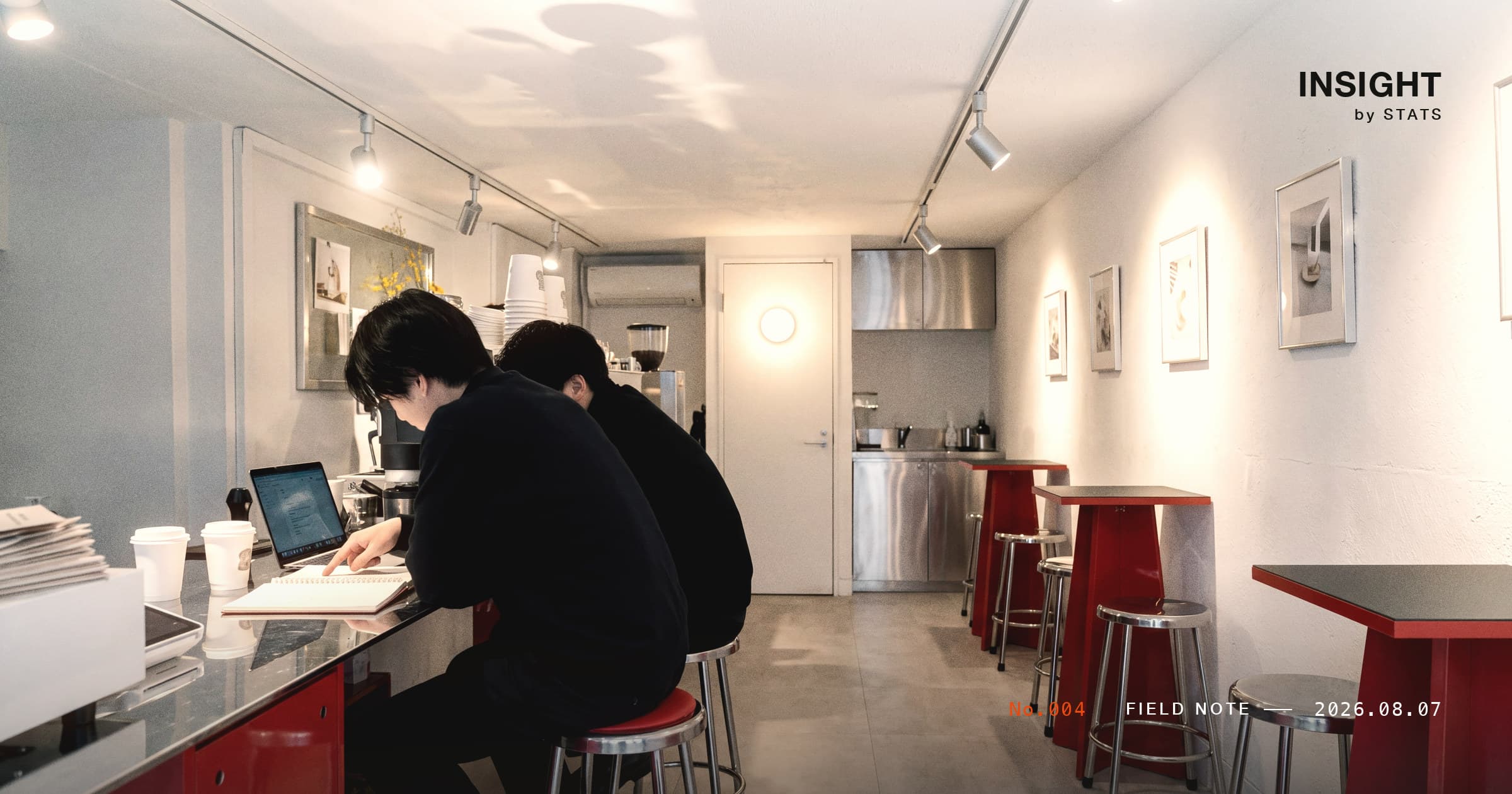
From “Searching” to “Comparing” — The Effect of Sequence in Influencer Selection
Why do we split candidate selection into a first stage that mechanically eliminates unfit candidates and a second stage where people compare them? We examine the design of selection sequencing from a practical standpoint, starting from the difference between the work of “searching” and the work of “comparing.”

When Sponsored Collaboration Results "Don't Click"—A Study in the Failures of Casting Design
When the results of a sponsored collaboration don't click, the cause often lies not with the individual influencer but with the brand side's casting design. Drawing on our own retrospectives, we articulate four failure patterns: oversimplified selection criteria, insufficiently detailed requests, lack of timing design, and lack of follow-up.