When an Experiential Event Doesn't Generate Posts, Which Parts of the Design Should You Review?
This article was automatically translated from the Japanese original. Read the original in Japanese
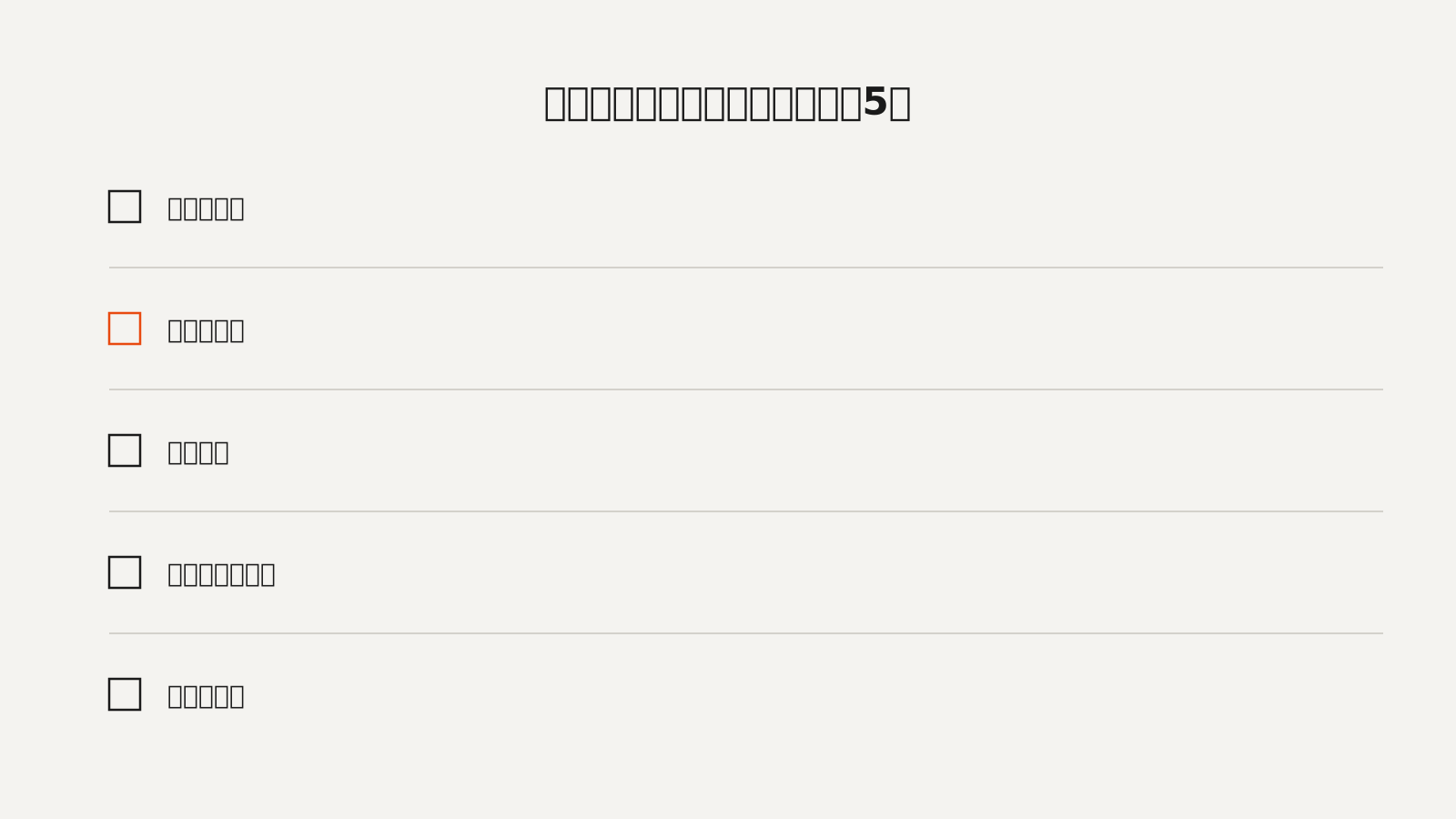
When an experiential event doesn't generate posts, the five areas to review are invitations, the experience itself, photo spots, time allocation, and follow-up communication. Treat the problem as one of design, not of attendees.
| What to check | Example of what goes wrong | Direction for review |
|---|---|---|
| Invitee selection | Many invitees have no habit of posting | Select people based not on whether they post, but on whether they habitually put their experiences into words |
| Content of the experience | Guests only look; nothing lets them speak in their own words | Provide at least one moment that prompts an opinion (trying, choosing, comparing) |
| Photo spots | Photography is concentrated in one spot, creating queues | Spread out multiple starting points for photos and place them so they don't block guest flow |
| Time allocation on the day | The experience is short, and guests leave with no time to reflect | Provide time and a place to relax after the experience |
| Follow-up communication | The request to post is made only on the day | Tell guests how long they have to post, and send one follow-up message afterward |
Why Does Invitee Selection Affect the Number of Posts?
It is premature to blame low post counts on the nature of the people you invited. However, if you did not check at all for a posting habit at the invitation stage, then no matter how much effort you put into the experience design, the people who are meant to put it into words may not be ready to do so. For example, at an event where invitations were sent indiscriminately to maximize attendance, the posting rate can be noticeably low even though the content of the experience hasn't changed. When reviewing who you invite, checking whether someone regularly shares their experiences and impressions, rather than looking at follower count itself, makes posts more likely. As covered in Inviting Influencers to Brand Events: The Process from Creating the Guest List to Confirming Posts, this perspective needs to be built in from the stage of drafting the guest list.
Which Should You Review First: The Experience or the Photo Spots?
If the experience has nothing worth talking about, making the photo spots more elaborate will only lead to posts that say "I took this in a beautiful place," without saying anything about the experience itself. The experience should be reviewed first. For example, if you provide at least one moment that lets guests form their own opinion, such as a tasting or a fitting, posts that put impressions into words will appear even without a photo spot. Once the experience is solid, spreading photo spots across multiple locations also prevents queues from forming at a single point. At venues where queues occur, attendees come away with a stronger impression of the wait than of the experience itself, and their posts tend to focus on the waiting time. For example, at an event where the main highlight was placed in just one spot near the entrance, a line formed right after doors opened, those who arrived later could not fully enjoy the experience, and the enthusiasm in their posts tended to drop. If you redistribute the highlights across the first, middle, and last parts of the venue, guests get a consistent experience whenever they arrive.
What Is Easily Overlooked in Time Allocation and Follow-Up?
If the experience is packed too tightly, guests move on to the next item before they can put what they felt into words, and you miss the chance for them to post. If you provide time and a place to relax after the experience, more guests will post on the spot. Also, if the request to post is made only in the on-the-day instructions, guests may forget to post after they get home. By telling them they have a reasonable window in which to post and sending one follow-up message later, you can also capture posts from guests who couldn't post on the day. These measures reflect the very idea of SNS activation (activation designed to include the stage where the experience is talked about on social media), and they presuppose that experience design and post confirmation are not treated as separate processes.
What If Posts Still Don't Increase After Reviewing All Five Points?
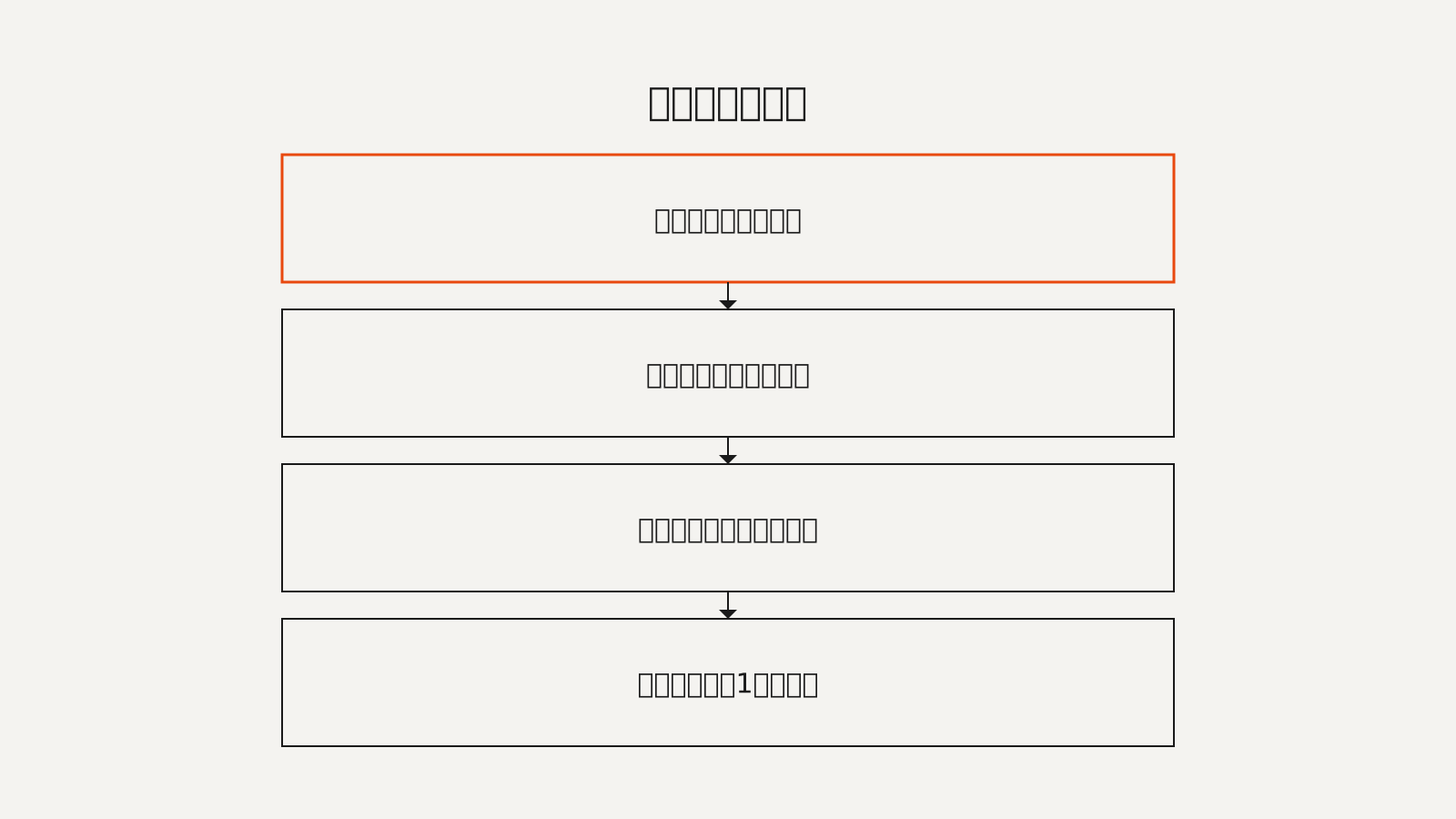
If posts still don't increase after reviewing all five points, consider the possibility that the experience itself was not strong enough to be worth talking about for attendees. In this case, going back to the planning stage of the experience can be a shortcut, rather than adding more tricks for photography or more ways of making the request. As also noted in this related article, gaps between design and execution often originate at the planning stage of the experience, and there are limits to what can be solved through on-the-day operations alone. For example, when we look back at initiatives where the posting rate didn't change no matter how many times operations were improved, we often find they proceeded without being able to say in one sentence "who should feel what" at the planning stage. Before piling on operational tweaks, checking whether you can state that one sentence during planning helps you avoid discovering design flaws only on the day.
Scope of This Article
This article covers a procedure for checking why an experiential event isn't generating posts from five design points, rather than from the attendees' side. It does not make judgments about individual venue floor plans or how to calculate specific invitation numbers.
Conclusion
Before blaming attendees' characteristics for a lack of posts, the shortcut is to check the five design points: invitations, the experience, photo spots, time allocation, and follow-up communication. Rather than fixing just one, we believe reviewing all five in order is what builds the foundation for improving the accuracy of your next initiative.