Seeding (Product Gifting)|SEEDING
Seeding means sending a product and letting people post once they've genuinely used it. With no promise of a post in return, everything comes down to whether the moment it arrives makes someone want to talk about it. We design who receives it, what comes with it, and how much time to leave before posting.
We narrow the list to people who can speak to the product in their own context — not a wide net designed to maximize post volume.
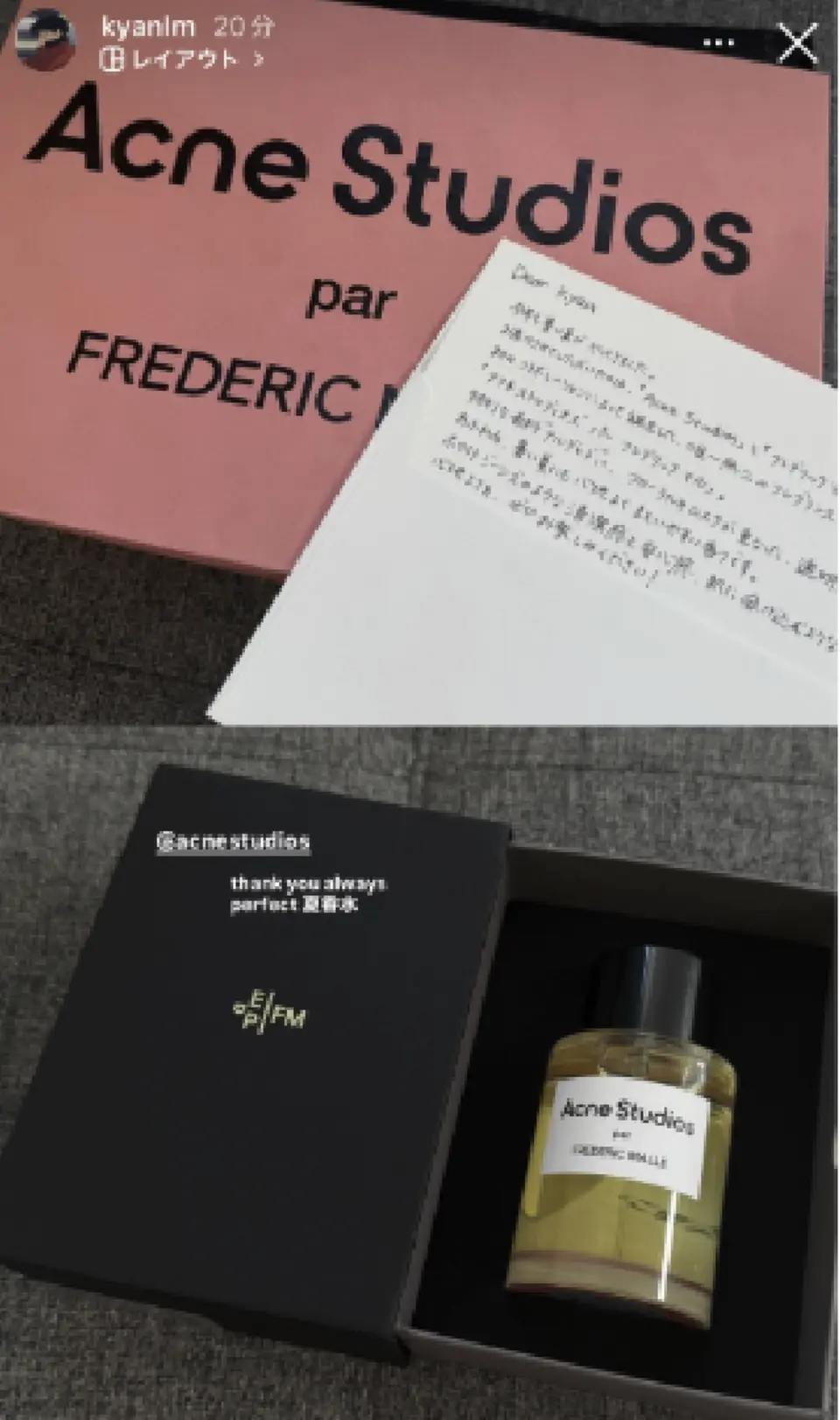
What accompanies the product changes the post. Adding the story behind development or a suggested use shifts what people end up writing.
We leave room before the post is expected — use first, write after — and track everything from delivery confirmation to the post itself.
Not designed to maximize volume
Sending to more people does raise post count, but posts from people outside the brand's context don't become an asset. Narrowing to people who can speak to the product in their own words leaves more posts worth keeping.
We design how it arrives
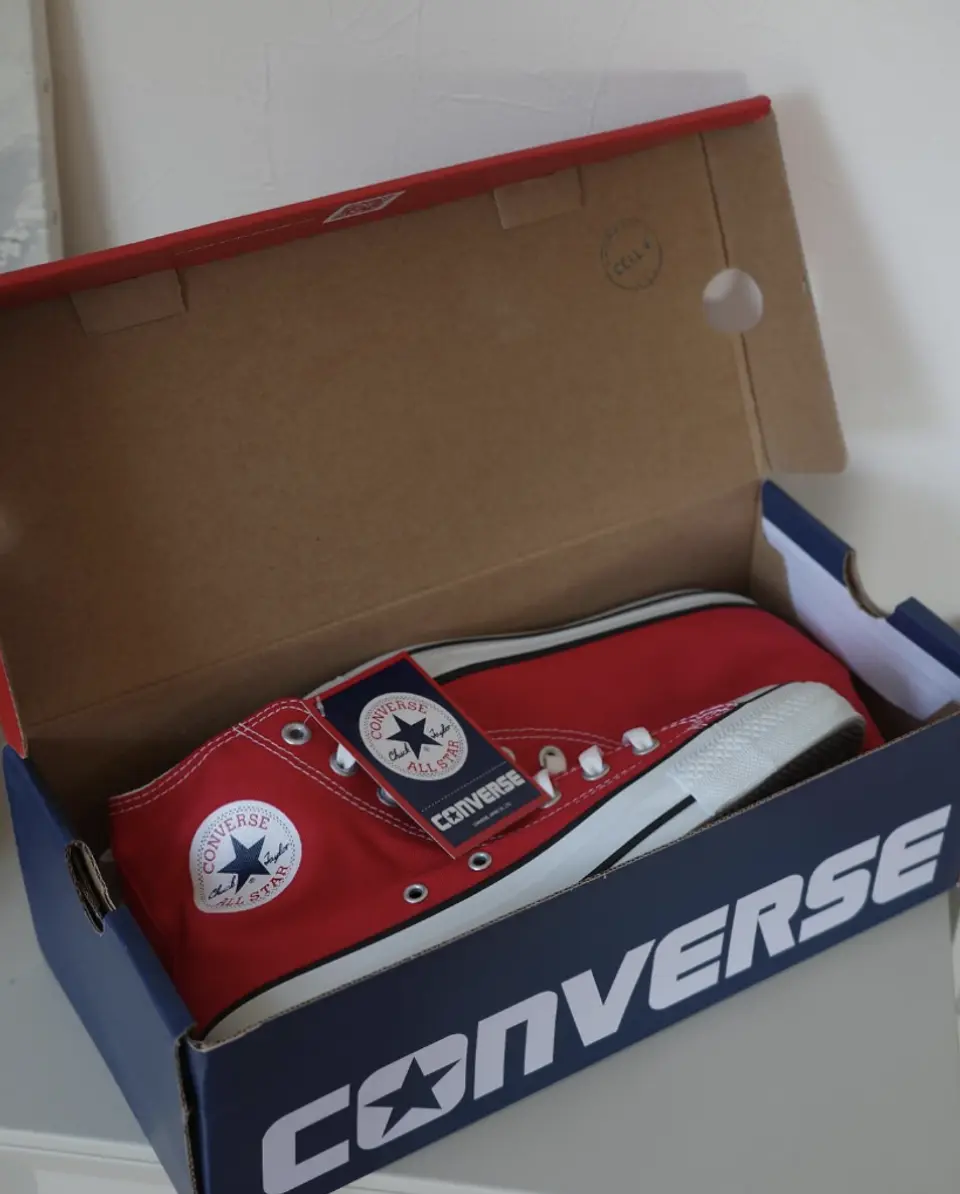
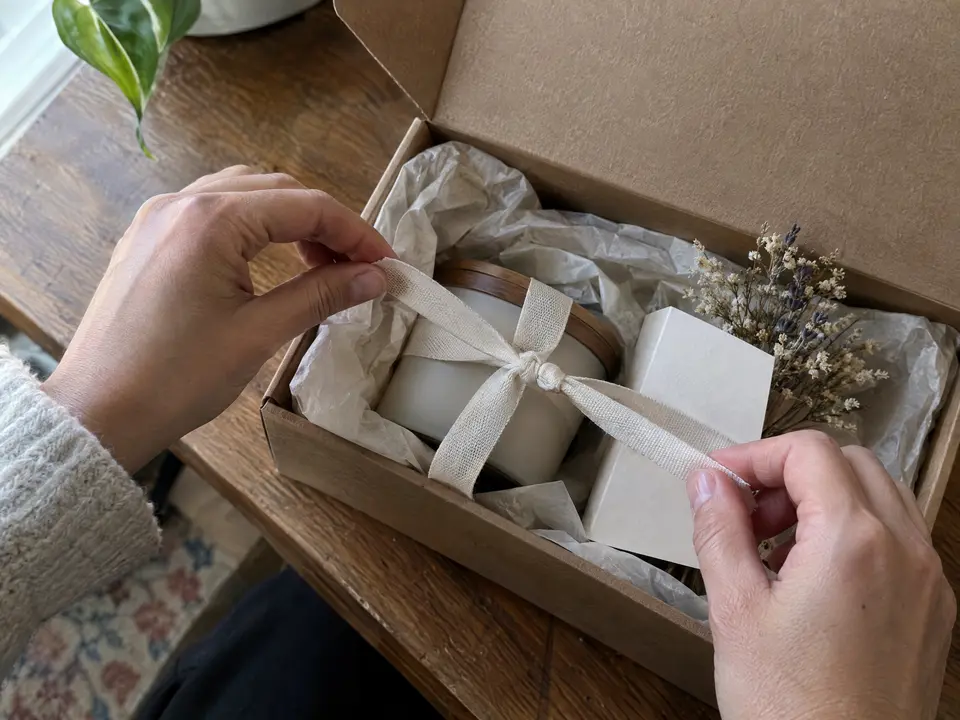
What arrives and how it's presented shapes the reaction the moment it's opened. Adding the story behind development or a suggested use turns a post from a plain product mention into a genuine record of an experience.
Posting rates, backed by our own records
We track, as internal record, how different approaches to delivery correlate with posting rate — so recommendations are grounded in past record, not impression.
Is a post guaranteed with seeding?
No. Requiring a post turns it into a paid tie-up, which loses seeding's core advantage — the naturalness of a voluntary post. That's exactly why we put the extra effort into who receives it and how. If a guaranteed post is essential, we'll recommend a standard tie-up instead.
How many people should we send to?
It depends on the product and goal, but more is not automatically better. Sending to people outside the right context rarely results in a post, and even if it does, it's unlikely to become a brand asset. We usually recommend starting narrow, then expanding based on the response.
How should we choose between gifting and a paid tie-up?
Seeding when natural, unscripted language matters most; a tie-up when you need certainty on message and timing. In practice, following up a strong seeding response with a paid tie-up works well — someone who spoke up voluntarily tends to bring more energy to the follow-up post too.
Do you follow up after sending?
Yes — confirming delivery, checking in on the experience, and tracking the post. We won't chase a post, though: a rushed post reads as rushed to the audience, and it tends to cost the relationship going forward.
Primary-source reports drawn from our own campaign records, plus field notes on how the work actually gets done. Where the industry deals in impressions, we answer in numbers.
CONTACT
Start by requesting materials covering our track record and process. If you already have something specific in mind, reach us directly through the contact form. We'll review your situation and propose the plan that fits.
- We reply within 1–2 business days
- The team that will actually run your project
- Consultations and quotes are free