How to Handle an Influencer's Late Arrival or No-Show on the Day of an Event
This article was automatically translated from the Japanese original. Read the original in Japanese
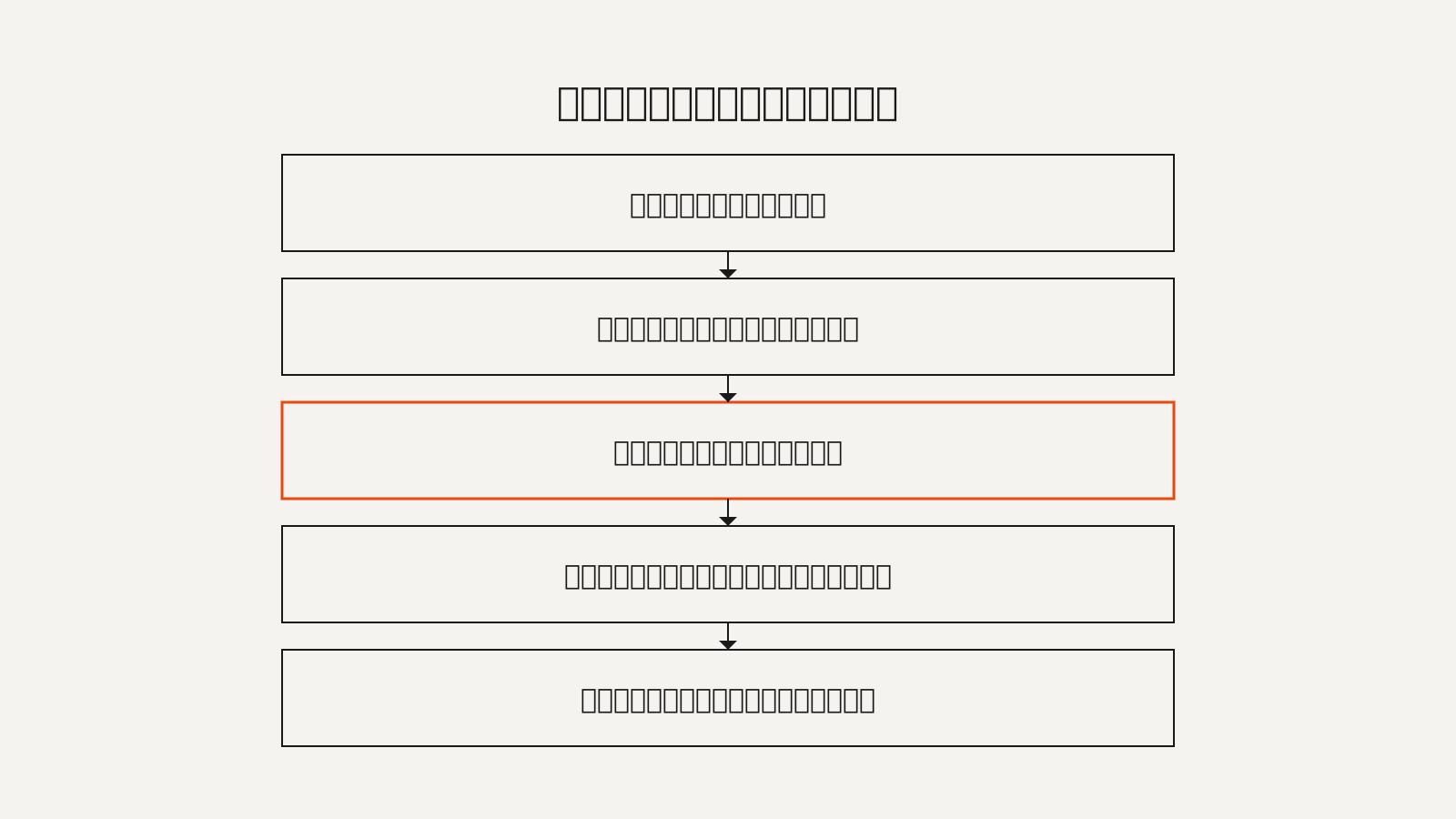
The moment you learn of a late arrival or no-show on the day of the event, the first thing to do is rearrange the check-in flow and photo order on the spot. Rather than rushing to decide how to fill the vacant slot, the organizing team should first determine alternative actions to prevent any disruption to other attendees' experience. This is the standard practical approach to preventing confusion.
Why Should Rearranging the Flow Come First?
As soon as you learn of a late arrival or no-show, your instinct may be to focus on contacting the person involved or deciding what to do with the empty slot. But the top priority should be preserving the experience of the other attendees at the venue. If check-in wait times grow longer or the photo order becomes disorganized, the impact spreads to far more attendees than just the one who is late. The basic practical order of operations is: first, the organizing team rearranges the flow so the event proceeds smoothly on-site, and only then consider how to handle the person who is late or absent.
How Does the Response Differ Between a Late Arrival and a No-Show?
For a late arrival, confirm the expected arrival time, then push back and re-slot the photo session and check-in order accordingly. For a no-show, rather than forcing an effort to fill the vacant slot, adjust in a way that smooths out the overall flow of the venue—for example, by using the freed-up time to extend other attendees' time on-site. In either case, before mechanically trying to fill the vacant slot with someone else, prioritize decisions that avoid disrupting venue operations.
What Should Be Decided in Advance to Avoid Panic on the Day?
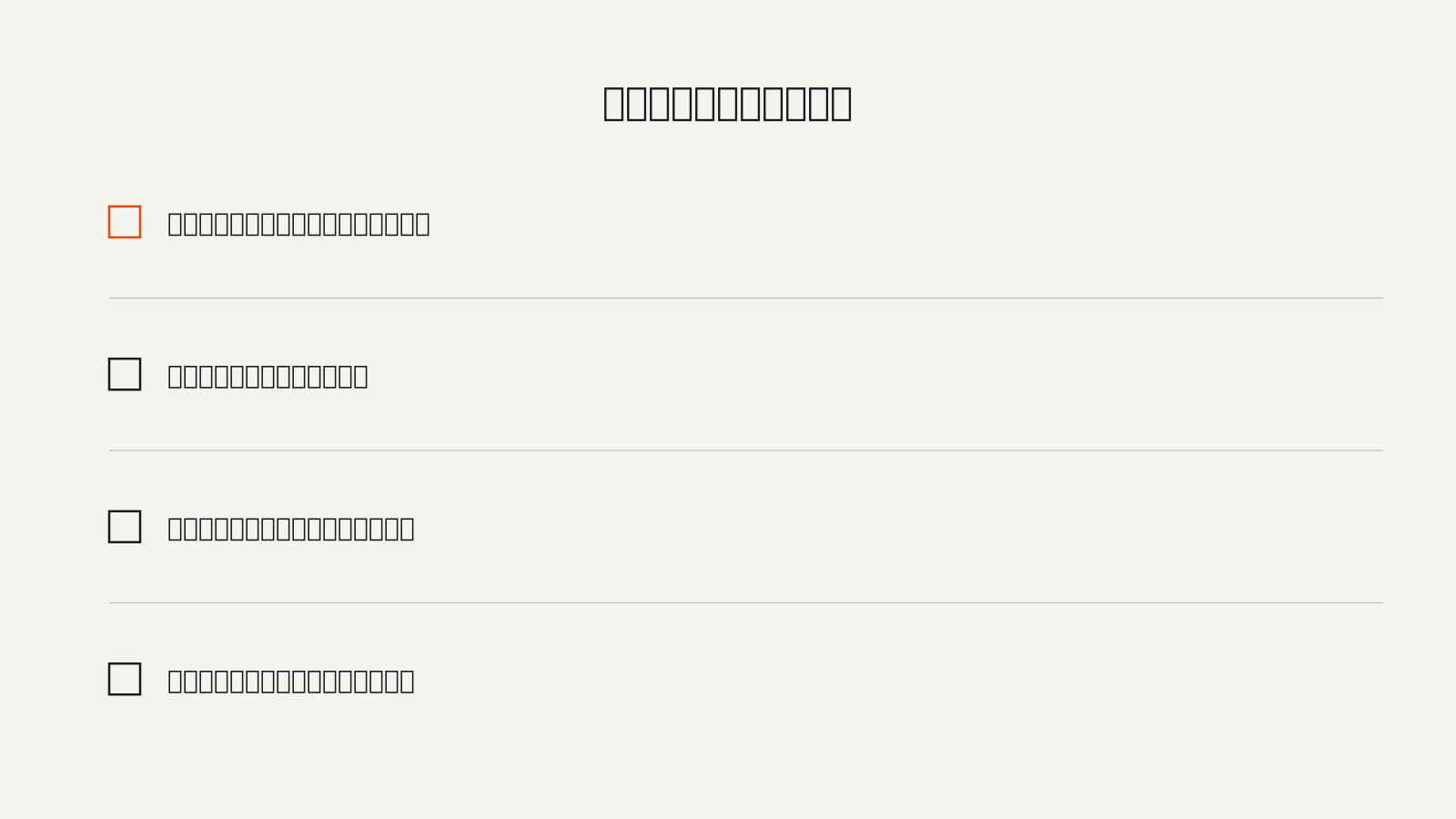
It's effective to share, at the invitation stage, who should be contacted and who will make decisions if a late arrival or no-show occurs. Agreeing in advance within the organizing team on criteria such as "after how many minutes of lateness should the check-in order be adjusted" and "how to handle cases where the person can't be reached" allows the team to act without hesitation on the day. Letting the influencer know in advance that they should reach out as early as possible if they'll be late also further reduces confusion on the day.
When Should You Consider Backup Candidates or Bumping Up General Guests?
If a no-show is known in advance, there may be room to consider reaching out to backup candidates or bumping up a general guest to fill the slot. However, if notice of a no-show comes right before the event, priority should be given to protecting the experience of the attendees already there, rather than attempting new arrangements. Forcing an effort to fill the gap can end up spreading more confusion on-site.
Scope of This Article
This article covers the organizing team's initial response when a late arrival or no-show becomes apparent on the day of the event. For guidance on invitation design and RSVP collection methods, see Invitation Design to Improve RSVP Response Rates — Causes and Solutions When Attendance Confirmations Don't Come In. For guidance on designing the overall check-in flow, see A Guide to Check-In Design for Invitation-Only Events — How to Avoid Lines Right After Opening.
Conclusion
When a late arrival or no-show occurs, the first thing to protect is the experience of the attendees who are present. Sharing decision-making criteria in advance leads to a calm, composed response on the day.