What Happens If You Violate the Stealth Marketing Rules? The Path to a Cease-and-Desist Order and the Impact on Your Brand
This article was automatically translated from the Japanese original. Read the original in Japanese

If a business violates the stealth marketing rules (regulations under the Act against Unjustifiable Premiums and Misleading Representations), it first receives administrative guidance, or, if a violation is established, a cease-and-desist order. In some cases this leads to a surcharge payment order and public disclosure of the details. The rules apply to the business that supplies the products or services, not to the influencer who was commissioned to post (Consumer Affairs Agency, "Views on the Act against Unjustifiable Premiums and Misleading Representations Concerning Stealth Marketing," confirmed October 2026).
| Stage | What happens | Impact on the brand |
|---|---|---|
| Initial detection and investigation | Based on information from outside parties, the Consumer Affairs Agency or a regional office of the Japan Fair Trade Commission confirms the facts | Not made public at this stage. How the business responds to the investigation shapes what follows |
| Finding of violation and opportunity to explain | If a violation is established, the business is notified of the content of the planned cease-and-desist order and given an opportunity to submit a written explanation and supporting documents | There is a chance to respond, but the business needs to get its internal structure in place as soon as it receives this notice |
| Cease-and-desist order or guidance | If the facts are sufficient to support an order, an order is issued under Article 7, Paragraph 1 of the Act; otherwise, guidance to correct the issue is given | A cease-and-desist order includes requirements such as implementing measures to prevent recurrence |
| Public disclosure (for cease-and-desist orders) | The Consumer Affairs Agency announces the content of the order in a press release and publishes the order itself | The business name and the nature of the violation become public, affecting how business partners and consumers view the company |
Why Are Only Businesses Subject to the Rules?
The stealth marketing rules are based on the Act against Unjustifiable Premiums and Misleading Representations, and they apply to the business that is the advertiser. The influencer who posted at the business's request is not subject to the regulation. This reflects the view that it is the business side that is involved in deciding what is displayed. As explained in What Is PR Labeling on Sponsored Collaboration Posts? The Basics of the Stealth Marketing Rules and Practical Templates, whether PR labeling is required also depends on how the business is involved in deciding the content of the representation. For that reason, brands and agencies bear responsibility for following the labeling rules throughout the process of requesting and reviewing posts. Shifting responsibility onto the influencer is fundamentally at odds with how the regulation works. If you proceed on the assumption that "it's fine as long as the poster is careful," you end up repeating requests without a proper confirmation process on the business side, and when an investigation comes, you are likely to find that no records exist to explain what happened.
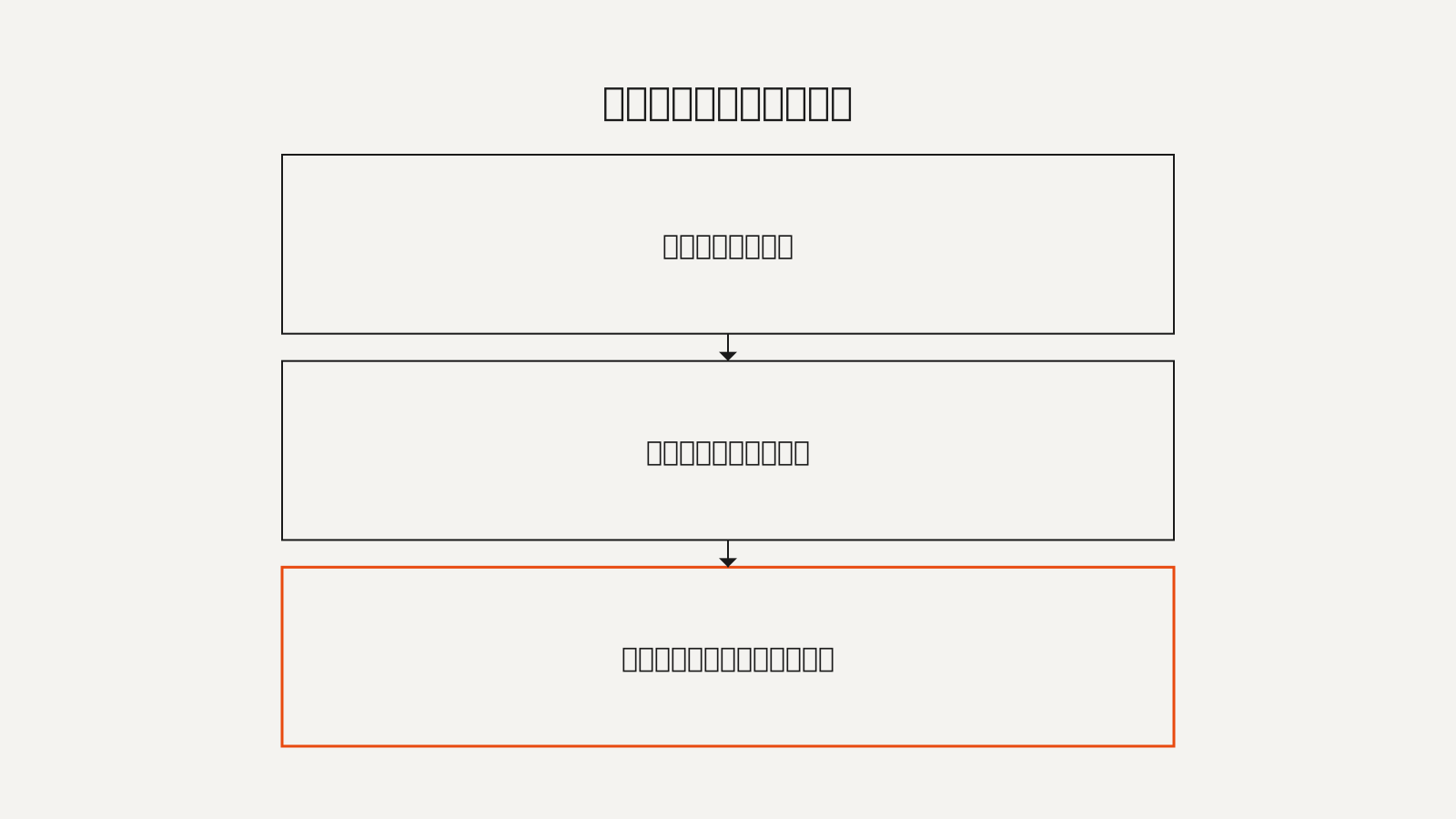
What Happens on the Way to a Cease-and-Desist Order?
Investigations often begin with information provided by outside parties, and the Consumer Affairs Agency and regional offices of the Japan Fair Trade Commission verify the facts. If a violation is established, the Consumer Affairs Agency notifies the business in advance of the content of the cease-and-desist order, and the business is given an opportunity to submit a written explanation and supporting documents. For example, if a business wants to argue that its request contained no specific instructions, whether it can submit records of its communications at this stage will affect the subsequent determination. Even when the facts are not sufficient to support a cease-and-desist order, correction is requested in the form of guidance if there is a risk of violation. When a cease-and-desist order is issued, the Consumer Affairs Agency announces its content in a press release and publishes the order, so the business name and the nature of the violation become public.
What Should Brand Managers and Agencies Check in Advance?
Brand managers need to keep records of their communications when requesting posts from influencers, so that they can later explain how they were involved in deciding the content of the representation. Agencies are responsible for saving request documents and confirmation exchanges, and for keeping records showing that they clearly communicated the labeling requirements to the influencer. These records can also serve as material for the business's explanation if an investigation ever occurs. For example, suppose gifting is provided to an influencer with whom you have an ongoing relationship and you ask them to post. Even if posting is optional, the past business relationship and the content of the communications at the time of the request are considered comprehensively. Stating the PR labeling requirements each time you make a request, and keeping a record of it, is therefore a practical safeguard. Likewise, for campaigns that involve requesting multiple influencers at the same time, it is effective to standardize the request template so that labeling requirements are not dropped in individual exchanges.
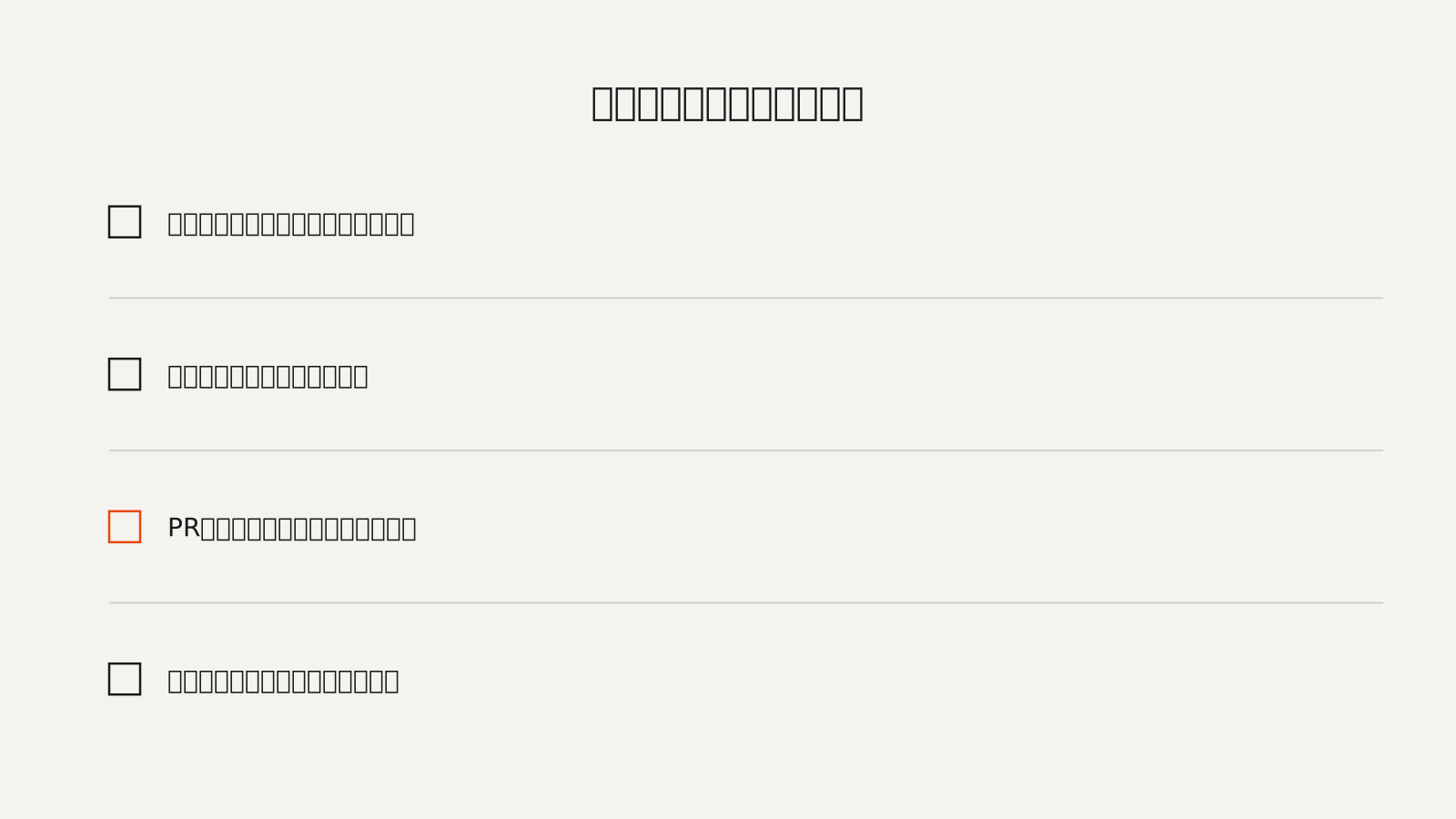
What Should You Decide at the Request Stage?
- Clarify, at the time of the request, how far the brand or agency is involved in deciding the content of the post
- Keep the communications from the request (emails and messages) for a set period after the post goes live
- State in the request itself, in advance, that PR labeling will be required
- Communicate the labeling requirements especially clearly to partners with whom you have an ongoing relationship
What Are Common Misconceptions?
It is a misconception that "there is no problem as long as we gave no instructions." As explained in Is PR Labeling Required Even for Gifting Where Posting Is Optional?, whether the business was involved is determined by comprehensively considering factors such as the content of the communications and the business relationship. It is also a misconception that "a violation is made public immediately." In many cases there is first a guidance stage, and public disclosure happens only once a cease-and-desist order is issued.
Scope of This Article
This article covers the general process that follows a violation of the stealth marketing rules and what brands and agencies should check at the request stage. It does not make a final determination on whether a particular post or transaction falls under the regulation, nor does it address how surcharges are calculated.
Conclusion
The stealth marketing rules apply to businesses, and the path to a cease-and-desist order includes the stages of investigation and an opportunity to explain. We believe that keeping records of your communications at the time of the request will give you the material to explain your company's position should the need ever arise.