What Makes Overseas Influencer Campaigns Different from Domestic Casting?
This article was automatically translated from the Japanese original. Read the original in Japanese

In overseas campaigns, because the language of communication and the target market differ, processes not required in domestic casting—such as translation review of post content and checks for local cultural taboos—become necessary. In domestic casting, request wording and post content can be handled entirely in Japanese, but for overseas campaigns, what needs to be checked changes depending on the language the post is written in and which country's SNS environment it reaches.
Why Is Translation Review an Additional Required Step?
There is no guarantee that simply machine-translating the request wording and sending it as-is will correctly convey the intended meaning. The same applies to post content—text written by the influencer themselves may come across with unintended nuances. As mentioned in How Much Should You Specify the Text and Shot Composition of Sponsored Posts?, the degree of involvement in post content is already a practical challenge domestically, but for overseas campaigns, confirming "whether the intent has been accurately translated" requires even greater care.
What Exactly Are You Checking for Cultural Taboos?
The meaning of colors, symbols, and gestures varies significantly by country and region. If a campaign designed for the Japanese market is rolled out overseas as-is, expressions that are unproblematic in Japan may be received as inappropriate locally. This check shouldn't be a one-time step during the planning stage—it needs to be verified again in the final version right before posting.
What Remains Common with Domestic Casting?
On the other hand, the selection criteria for candidates themselves remain consistent with domestic practice. The selection process discussed in Casting Success Is Largely Determined at the List Stage doesn't change regardless of the language being communicated in. What changes is that one additional layer—language and culture—gets added to the request and confirmation process after selection.
What Happens If This Step Is Skipped?
If you post without translation review and cultural checks, the risk increases that unintended expressions will be misunderstood by local audiences. As mentioned in How Far Can You Go When Requesting Corrections from an Influencer?, correction requests after publication affect the trust relationship with the influencer. Carefully handling pre-publication checks is the most reliable way to reduce the need for post-publication correction requests.
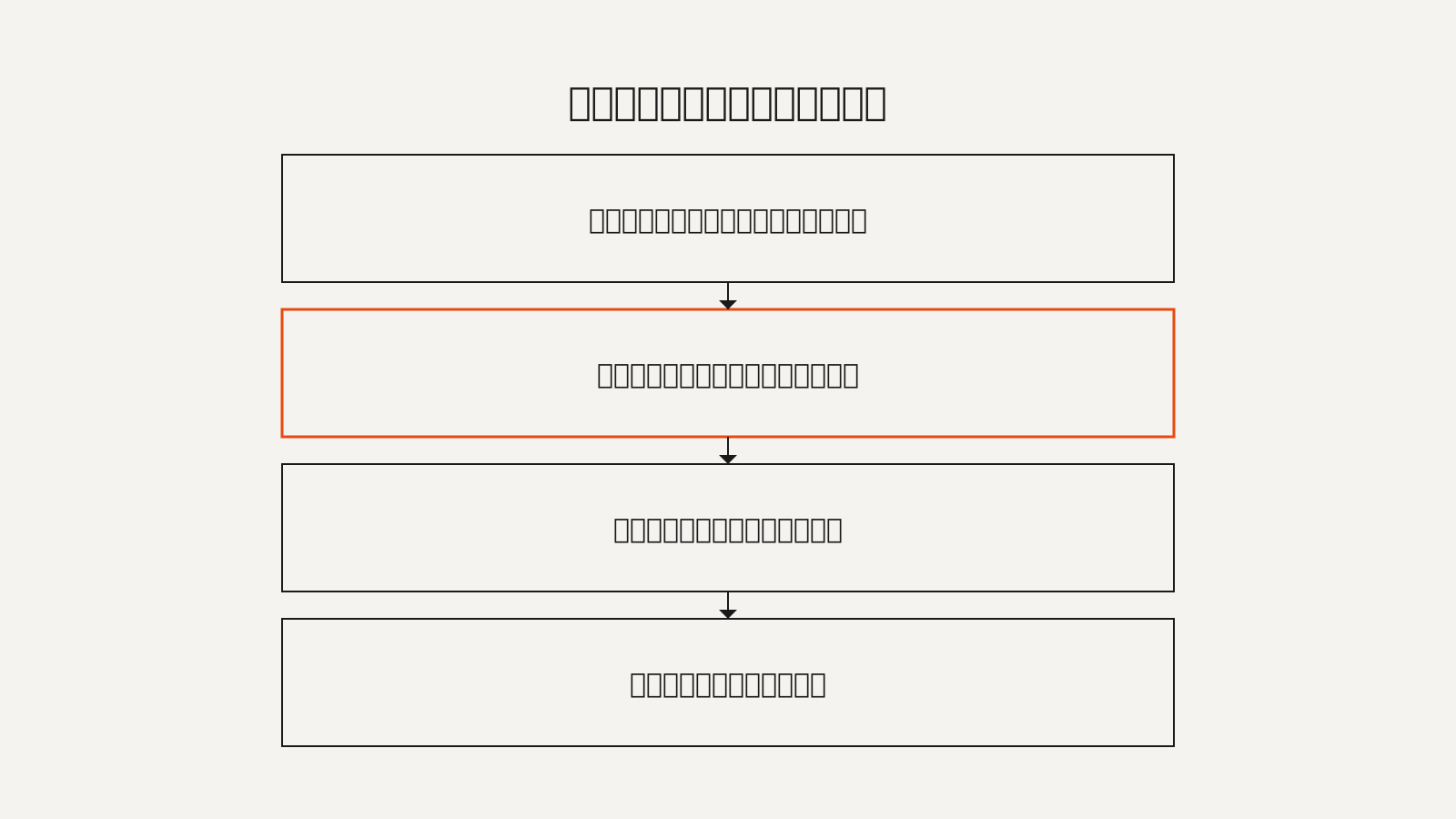
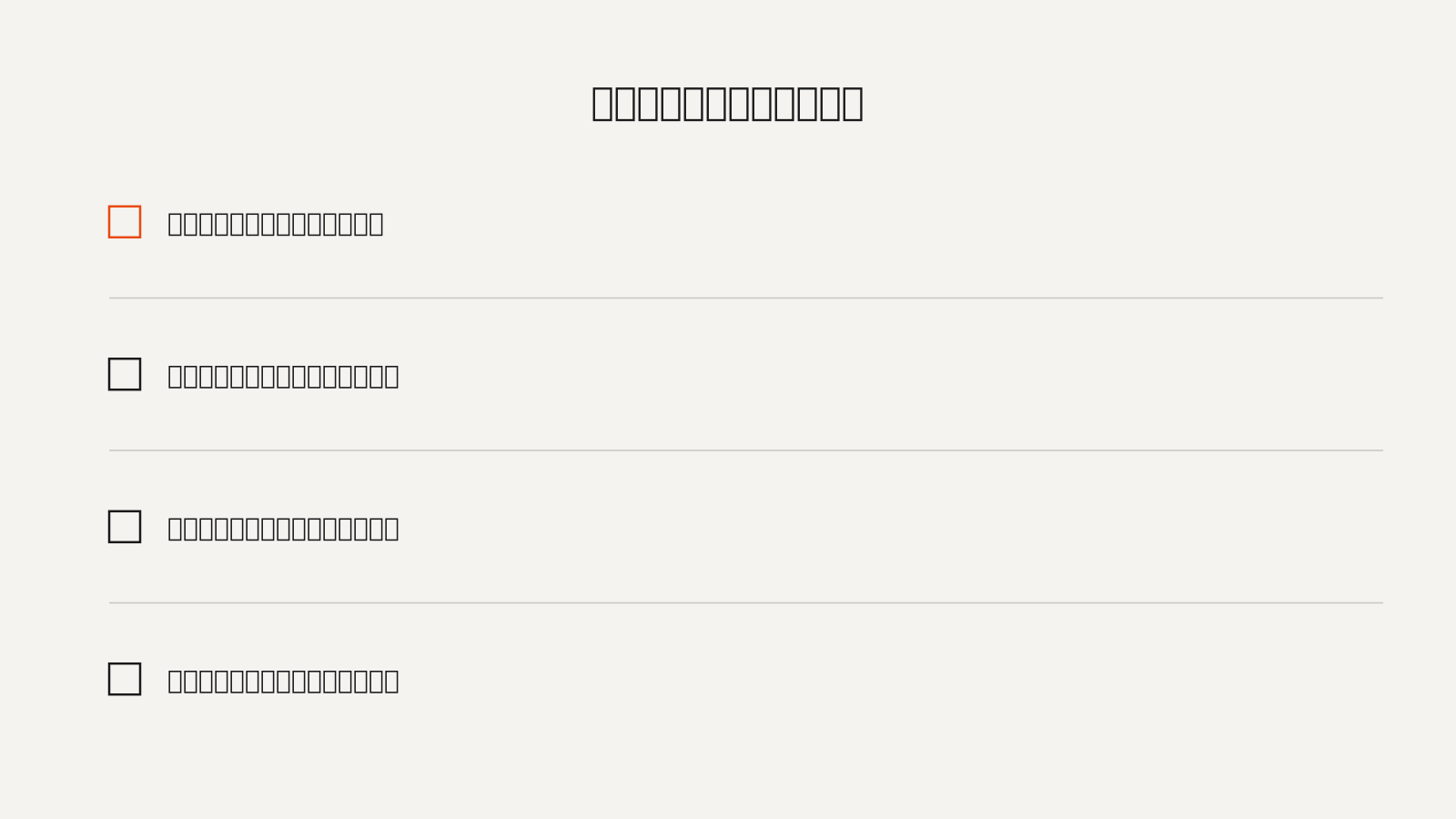
Overseas campaigns share the same core selection process as domestic ones, but add an extra layer of language and cultural verification. Whether or not this layer is omitted determines how the content is received locally.