What Makes a Product Suited or Unsuited to SNS Activation?
This article was automatically translated from the Japanese original. Read the original in Japanese

Whether a product suits SNS activation depends largely on two questions: "Do people only understand the difference once they actually touch it?" and "Can its world be expressed as a space?" A product with neither quality will struggle to generate posts, even if you build an experience around it. Making this distinction first lets you settle the overall direction of your campaign early.
| Product characteristic | Why it suits or doesn't suit | Recommended pairing |
|---|---|---|
| Has features that can't be conveyed without touching it, such as texture, scent, or taste | Produces impressions that only people who experienced it can share, which makes it easier to motivate posts | SNS activation in the form of an experience event or launch event |
| Its world or story can be expressed as a space | The space itself becomes something to photograph, so the trigger for posting is built into the experience | SNS activation in the form of a pop-up or flagship store |
| Can be fully explained by appearance or specifications (basic functions of home appliances, everyday consumables, etc.) | Even if you create an experience, people can "tell just by looking," so there is little novelty to motivate posts | Combination with gifting or sponsored collaboration posts |
| Effects or differences only become clear through continued use (such as the mid- to long-term effects of skincare) | A single experience gives people little to talk about, so a one-off activation is unlikely to deliver results | Combination with ongoing sponsored collaboration posts |
How Can You Tell When It Fits and When It Doesn't?
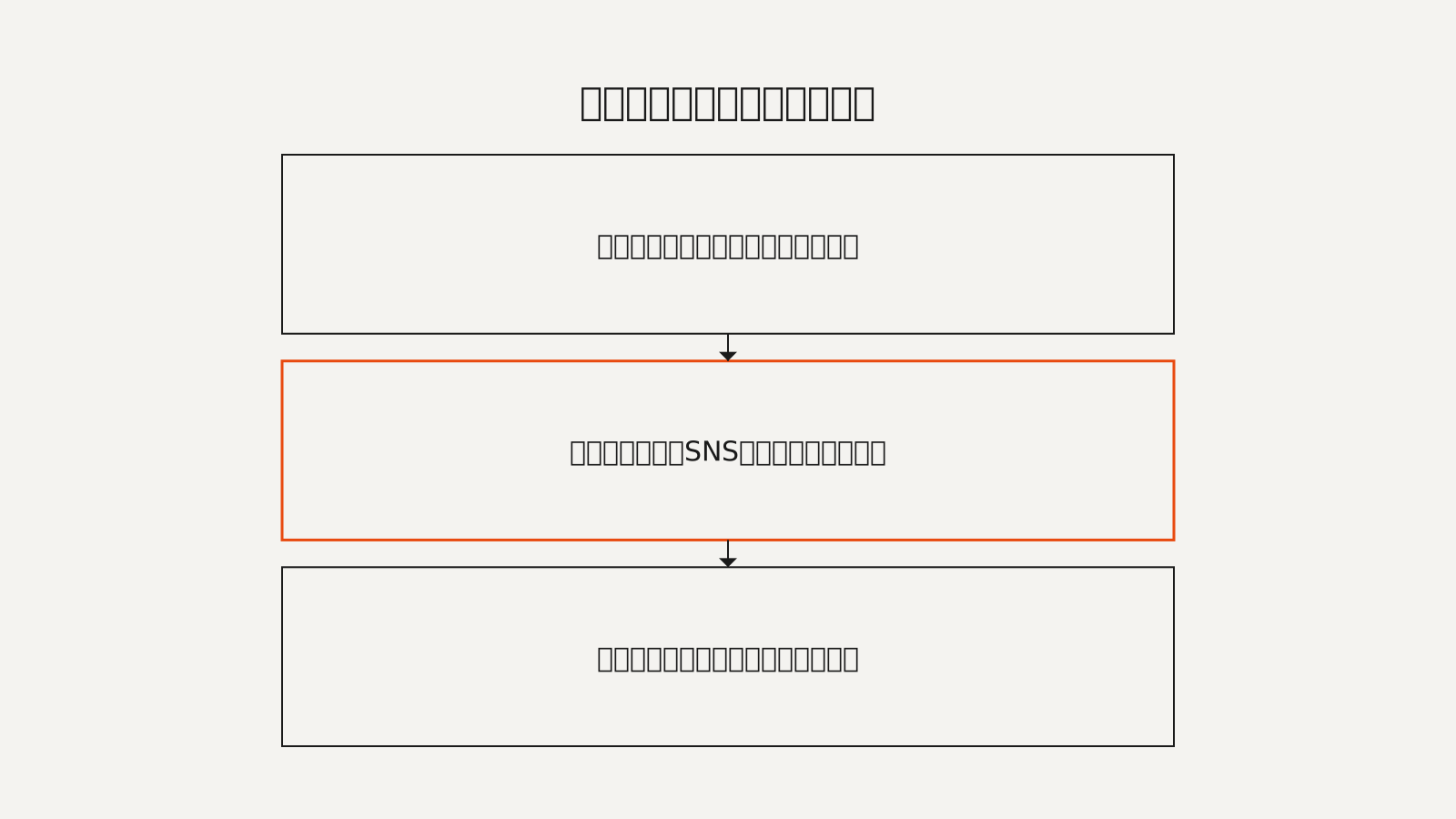
Products that fit well are those with features visitors can't put into words unless they try them. For example, at a launch event for a new fragrance with several scent families, each visitor's impressions after comparing the scents differ, and each becomes an experience they can describe in their own words. At a limited-time pop-up built around a distinct world, the spatial design, more than the product itself, prompts people to take photos and post, and the novelty of the experience comes first. On the other hand, for home appliances and everyday goods where purchases are decided by comparing specifications and prices, even a dedicated experience space tends to draw reactions like "I just want the product information," and the effect as SNS activation (activation designed to include the point where the experience gets talked about on social media) is hard to achieve. When judging fit, it helps to look beyond the product's own features and ask, "Is there something you can't know unless you're there?" For example, even among home appliances, a cooking appliance can work well if the event lets visitors taste the results, because it gives them impressions to share. Rather than judging by product category alone, it helps to identify concretely which experiential elements the product has, which prevents oversights in the first assessment. Fit can also differ between product lines within the same brand, so it is effective to assess each product rather than the brand as a whole.
How Should You Switch to a Different Approach for Unsuited Products?
For a product that doesn't fit, doing nothing is not the only option. Instead of creating an experience space, you can switch to having people actually use the product and post about it, achieving the same goal in a different way. Gifting or Sponsored Collaboration? A Blueprint for Choosing by Working Backward from Your Goal outlines the options for cases where you don't create an experience space. For products whose effects become clear through continued use, rather than relying on a single experience, combining sponsored collaboration posts with a defined usage period tends to yield more natural content than forcing an experience space. For example, even if you hold a one-off experience event for a skincare product, visitors can't speak to changes in their skin after one use, so impressions tend to stay at "the venue was beautiful." In this case, a two-step approach works well: let people touch the product itself at the event, then request posts after several weeks of use. This lets you draw on the strengths of both the experience space and continued use. If you try to complete everything within the experience space alone, visitors have limited things to talk about, and the quality of posts can drop as a result.
What Does the Process Look Like for Assessing Each Product?
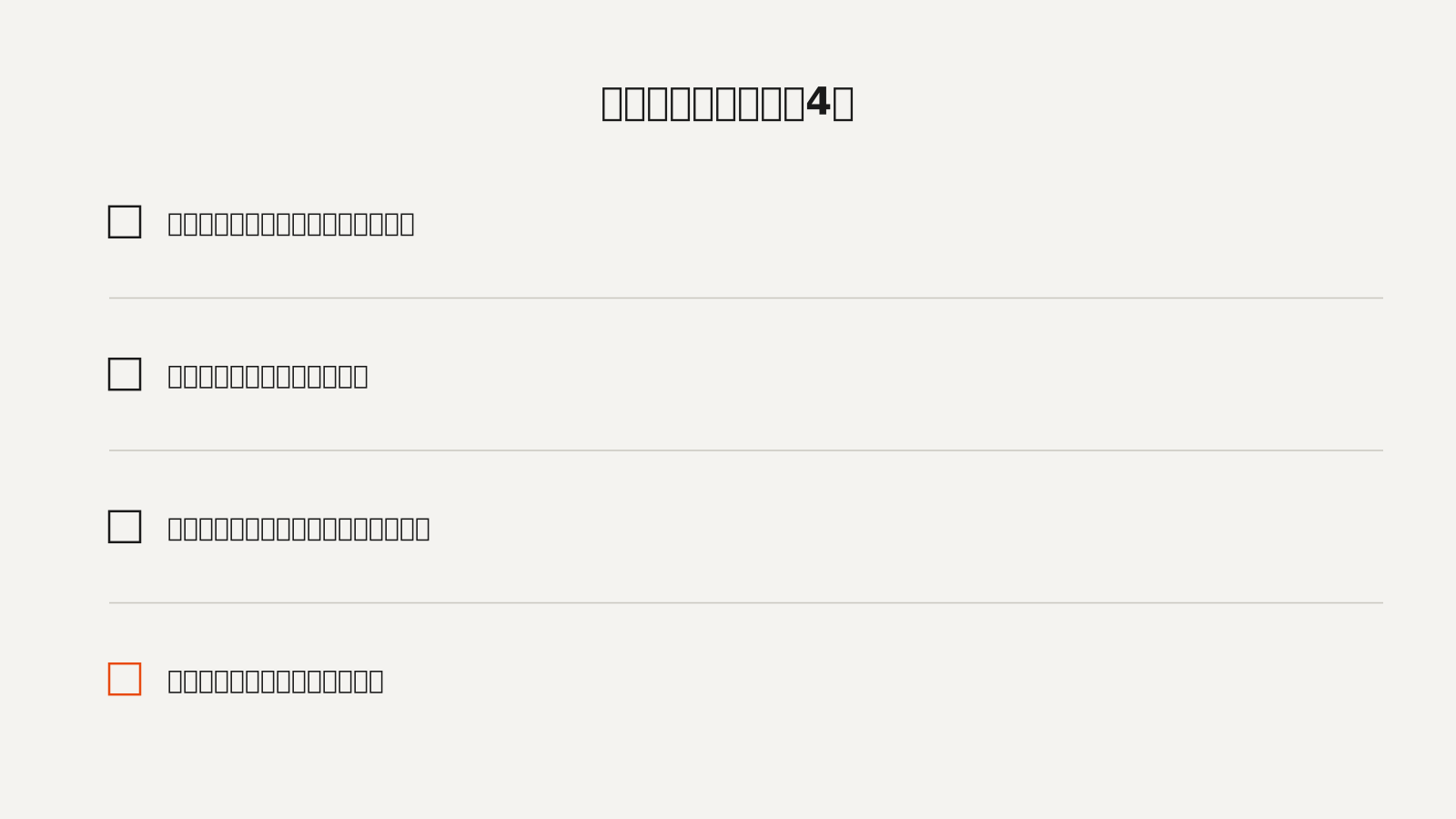
- Check whether the product has features that can't be conveyed without touching it
- Check whether it has elements that let its world or story be shown as a space
- If neither applies, design the campaign around gifting or sponsored collaboration posts rather than an experience space
- For products whose effects become clear through continued use, consider a post format with a defined usage period instead of relying on a one-off experience
- Keeping in mind that fit may differ by product line even within the same brand, assess each product individually
We offer consultations covering everything from experience design to measurement on the SNS activation service page.
Scope of This Article
This article covers how to tell which products suit SNS activation and which do not, and what to switch to when a product is not a good fit. The final judgment on whether an individual product is suitable depends on that product's specific conditions, so it is not made here. The specific processes and operational considerations for experience events and pop-ups are also outside the scope of this article.
Conclusion
SNS activation is not a measure that works equally well for every product. Before moving on to design, the first judgment to make is whether the product has features that can't be conveyed without touching it, or a world that can be shown as a space. Even when a product turns out not to be a good fit, gifting and ongoing sponsored collaboration posts remain available, so we believe it is important to choose a measure that matches the nature of the product rather than forcing an experience space. Making this judgment first lays the groundwork for a smooth overall campaign design.