When an Influencer's Post Goes Viral for the Wrong Reasons, Should the Brand Delete It?
This article was automatically translated from the Japanese original. Read the original in Japanese

Deleting a post immediately after backlash breaks out is something brands should avoid. The basic approach is to first confirm the facts, decide on a response policy, and then act—accompanied by an explanation if necessary. Deleting a post before confirming the facts can be seen as an attempt to cover something up, which often makes the situation worse.
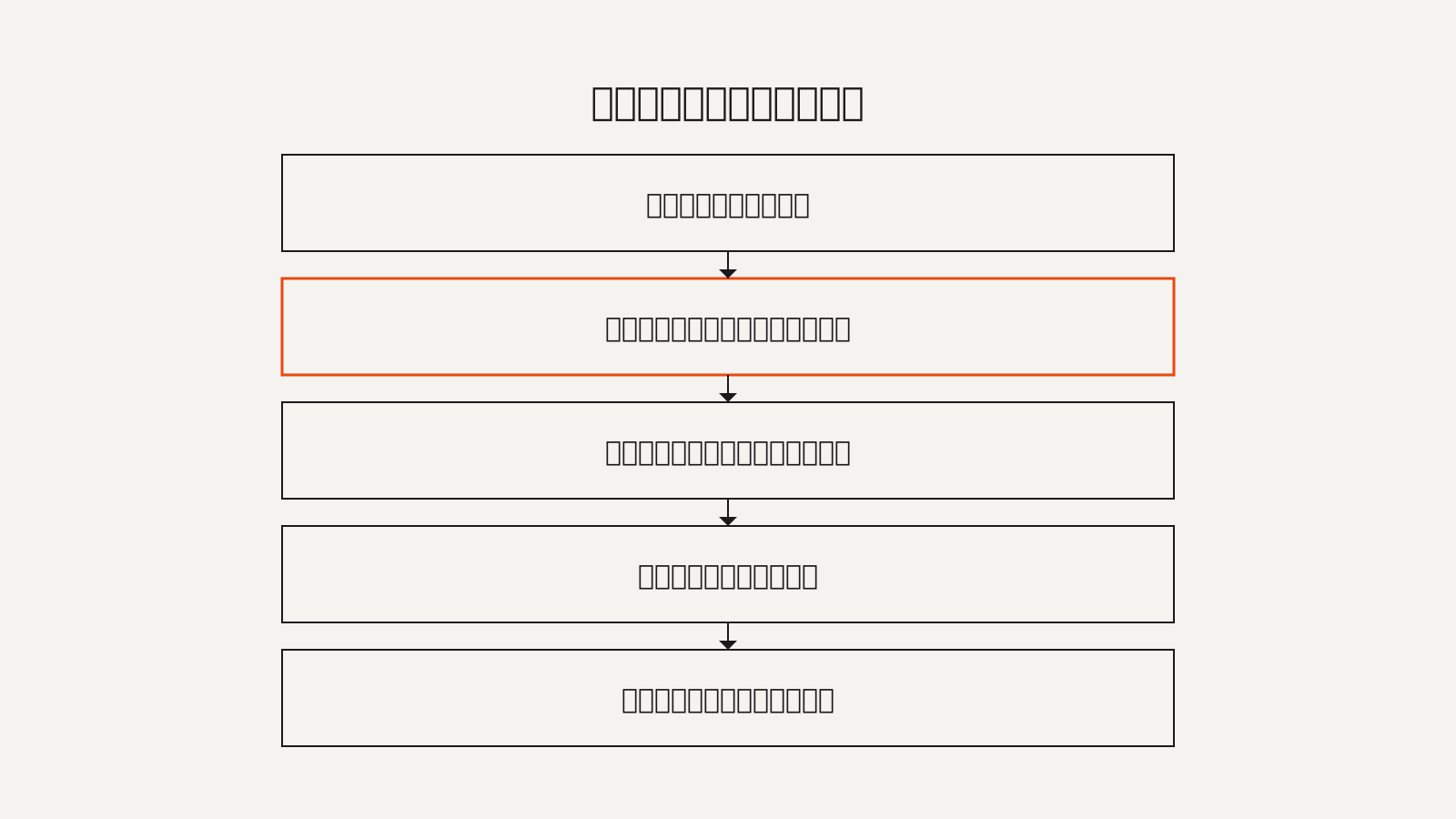
Why Immediate Deletion Should Be Avoided
Deleting a post in the middle of a backlash can easily be interpreted as admitting to the criticism or trying to hide inconvenient facts. If deletion happens before the facts have been sorted out, the act of deletion itself can become a new topic of discussion, sometimes drawing even more attention than the original criticism. What brands should avoid most when responding to backlash is rushing to address appearances before confirming the facts.
What Should Be Confirmed Before Deleting
The first step is to confirm whether the criticism is factually accurate, which part of the post is being called into question, and how the influencer themselves views the situation. It's also worth checking whether the influencer has already indicated an intention to revise or delete the post. Rather than the brand making a unilateral decision, it's preferable to coordinate with the influencer directly. We believe that until this confirmation process is complete, it's not even possible to judge whether deletion is warranted.
If Deletion Is Necessary, How Should It Be Handled
If deletion is deemed necessary, it should be carried out together with an explanation of the reasons for the deletion and the planned response going forward. Rather than silently removing the post, adding a note about what has been confirmed and how the situation will be handled makes it easier to avoid the perception of a cover-up. It's also important to keep the explanation focused on confirmed facts and the planned response, without leading with speculation or apologies.
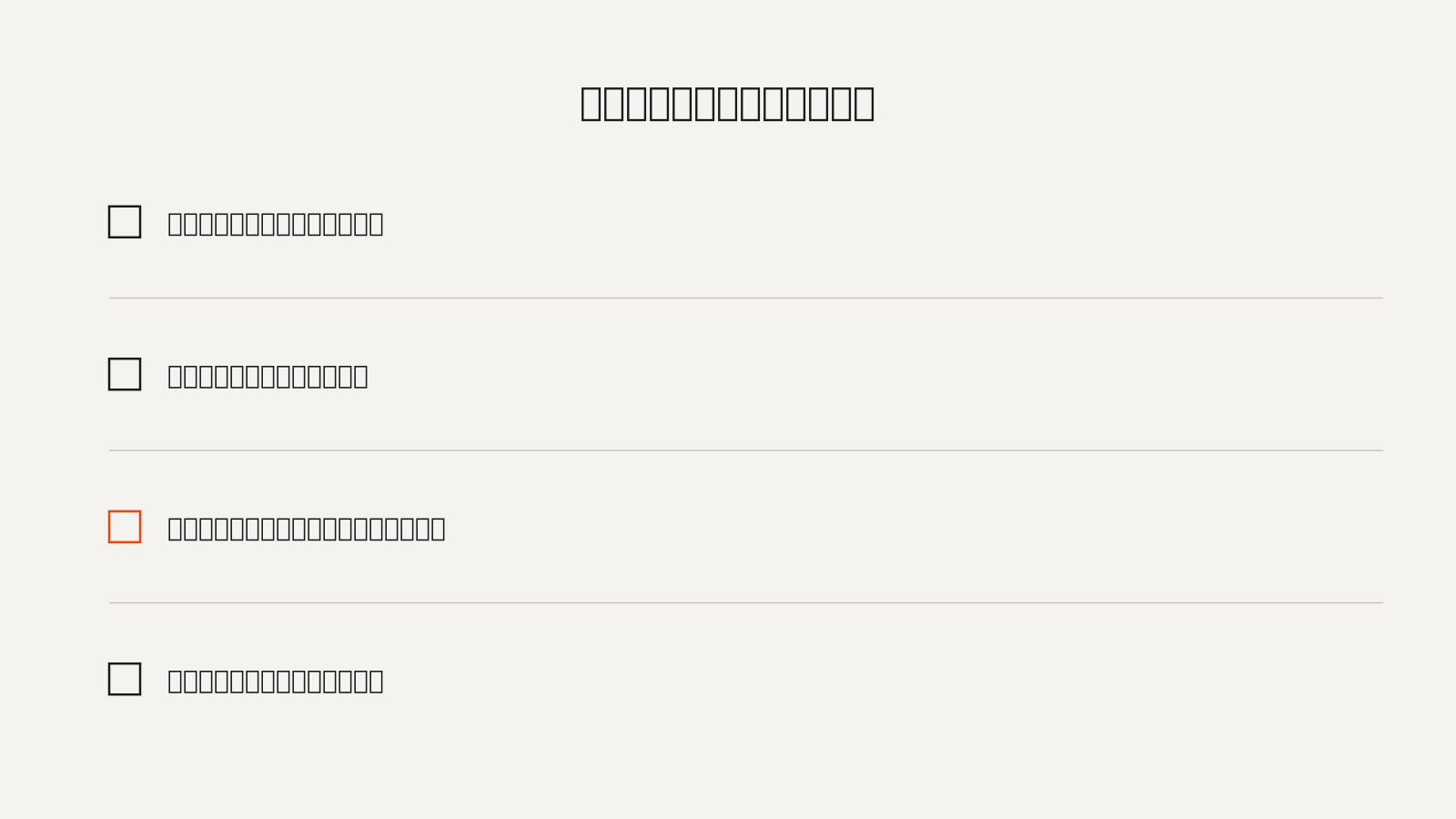
Is Keeping the Post Up Ever the Right Call?
If the criticism turns out to be based on a misunderstanding, or if fact-checking determines that there's no actual problem with the post, another option is to leave the post as is and add a supplementary explanation if needed. Deletion isn't the only possible response. Even in that case, it's practical to keep a record of the criticism that was raised and share it internally so similar issues can be prevented in the future.
Scope of This Article
This article covers the brand's initial judgment immediately after backlash occurs. It does not address subsequent contractual matters, such as whether to terminate a contract. For a basic overview of PR labeling and legal considerations, please see What Is PR Labeling for Sponsored Collaboration Posts? The Basics of Stealth Marketing Regulations and Practical Frameworks.
Conclusion
When backlash occurs, what's needed first isn't deletion but fact confirmation. Once a response policy has been decided, whether the post is deleted or kept, moving forward alongside an explanation is the basic practice.