SNS Activation Case Studies: Why Three Campaigns Built on What the Audience Already Had Got People Talking
This article was automatically translated from the Japanese original. Read the original in Japanese
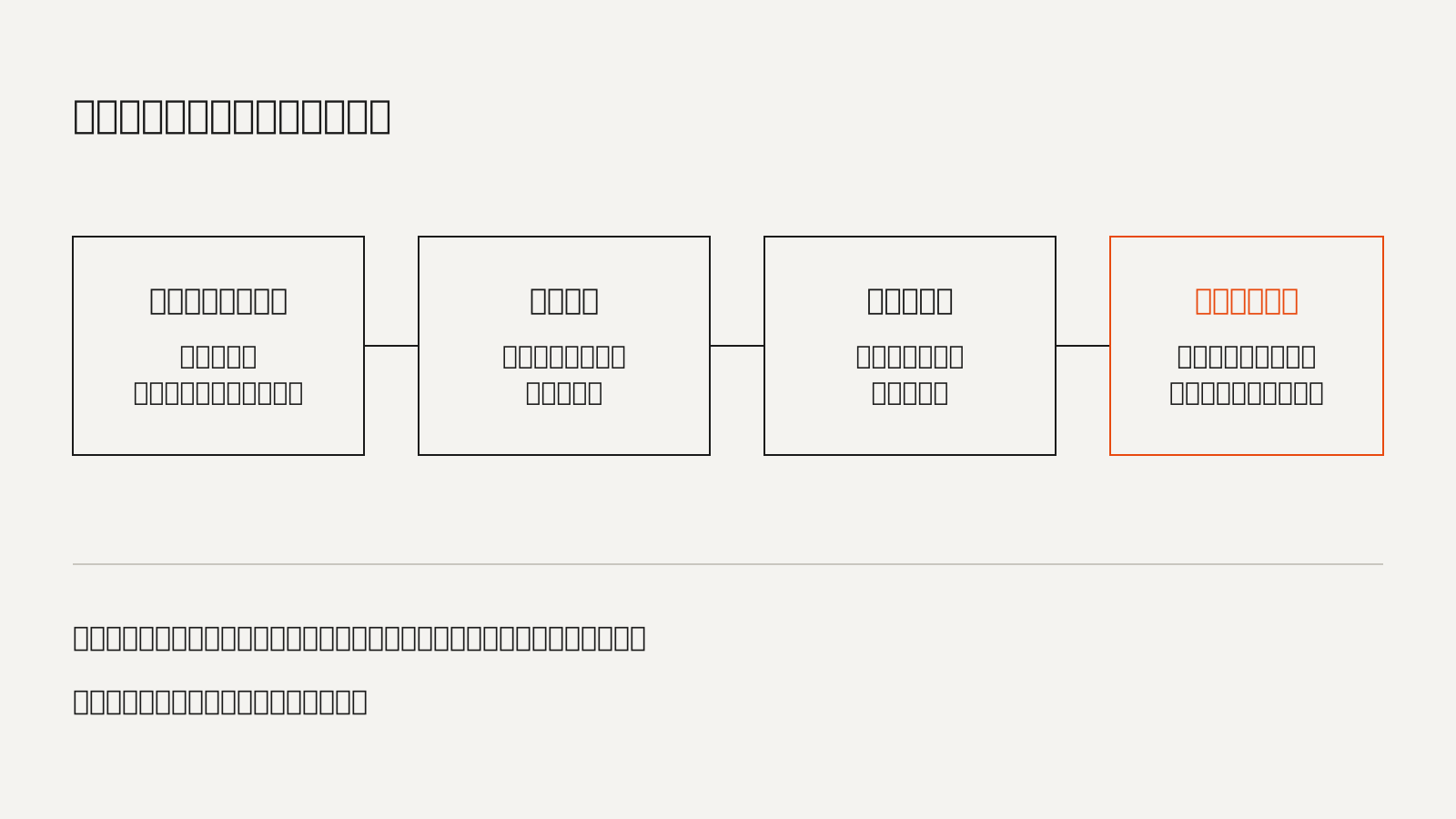
Take what the audience already has (feelings about their city, a local's point of view, their own workout records), and let the brand take the role of making it visible. This is the pattern shared by the three campaigns covered here. When people's own voices or records become part of an ad or a public record, they gain a reason to post: to "go see something of mine" or to "report my contribution." The subject of the story shifts from the brand to the audience, and the campaign becomes something people talk about on social media.
| Country / Region | Industry | What they did | Mechanism that got people talking on social media | Source |
|---|---|---|---|---|
| Japan (Yokohama) | Municipality / Railway | Turned what about 500 citizens love about their city into illustrations and displayed them throughout one full train set | People can go looking for the car that carries their own voice, and report when they find it | AdverTimes (October 16, 2026) |
| 10 countries worldwide, 23 destinations | Hotel | Rolled out content shot from a guest's perspective by creators in each location across outdoor ads, in-flight, and social media | "Unpolished" content flows in the same visual language as locals' own posts | Marketing Dive (October 19, 2026) |
| North America | Automotive | A challenge on a fitness tracking app that pooled participants' distances to reach a goal | Each person's record becomes part of reaching the goal, and participants spread the news of the achievement | Press release (October 14, 2026) |
What gave people a reason to post in Yokohama's campaign that turned citizens' voices into in-train ads?
In collaboration with Sotetsu Holdings, the City of Yokohama displayed illustrations depicting the charms of towns along the line inside Sotetsu trains. The material came from visitors' voices collected at an event held in a city park in May 2026. On guide boards asking "What do you love about your city?", about 500 people shared favorite places along the line and their hopes of "what I'd like this city to become." These were turned into pictures using graphic recording techniques and displayed on one Sotetsu train set as hanging ads, posters above the doors, and video on in-car screens. The display ran from September 30 to the morning of October 19, and reports say it is planned to expand to ward offices and commercial facilities along the line afterward. Details are in the AdverTimes article (October 16, 2026).
What gave people a reason to post was the sense that "my voice is up there somewhere." Those who contributed would ride the train and look for their own words or the shop they mentioned. The article describes it as a discovery for the organizers that many people reacted with "Oh, that's that shop!" when the voices were turned into illustrations. What the city provided was a place to gather voices and a place to display them as pictures. The core of this campaign is the division of roles: citizens decided what to say, and the city decided where to put it.
Why did "unpolished" work in the hotel campaign shot by local creators?
To launch a new brand platform, the brand that runs a hotel loyalty program worked with local creators through a company with a creator network, rather than going the conventional ad production route. The scale was 10 countries, 23 destinations, and 14 hotel brands, and the article says the whole process from brief to delivery took four weeks. The direction the brand gave was to be "more intimate, more relatable, and not over-staged," with examples such as shooting from the guest's perspective, like wrinkled sheets or a meal in progress. The content was rolled out across global outdoor ads, in-flight video, and social media, and the social content is expected to be used through 2027. Details are in the Marketing Dive article (October 19, 2026).
Here, what the audience has is "the perspective of people who know the place." Rather than slicing a single ad asset across every channel, having a local creator capture the atmosphere of each destination gave the content the same visual language as the photos locals post every day. The person in charge described this as a "test" and said it wasn't perfect, which suggests a judgment that preserving differences between places mattered more than uniform polish.
What generated reports in the automaker's campaign that pooled participants' workout records?
In September 2026, which is Childhood Cancer Awareness Month, an automaker ran a challenge on a fitness tracking app. Participants could join simply by logging a run, walk, wheelchair push, bike ride, hike, or swim in the app, and the logged distances were pooled toward a shared goal. According to the press release, the original goal was reached within 24 hours of the start, and when the brand doubled the goal, the community surpassed that within two days as well. More than 150,000 people ultimately took part, and the challenge reportedly recorded the longest total distance ever for a challenge on the app. Based on the goals reached, the brand pledged donations to support organizations. Details are in the press release (October 14, 2026).
What the audience has here is "their own workout records." Participants don't need to start anything new; by simply logging their usual workouts, their records become part of reaching the goal. The release states that influencers, athletes, people who encouraged participants within the app, brand ambassadors, and the participants themselves shared the achievement, reaching a wide audience through social media and the app. Raising the goal midway also became a reason to report. Each time the message went beyond "we did it" to "let's aim even higher," participants had a fresh occasion to report again.
What is the "talked-about" structure common to all three campaigns?
In all three cases, what the brand provided was "a place to receive material" and "a place to display it," while the material itself was something the audience already had. We see this structure as one pattern of SNS activation, that is, activation designed to include the point where the experience gets talked about on social media. The overall approach is summarized in What Is SNS Activation and on our service page.
When you use what the audience has as material, the subject of the post becomes the audience. In Yokohama's case it is "my voice is up there"; in the hotel's case, "my city is shot like this"; in the automaker's case, "my record counted toward the goal." A message from the audience, "my something is right here," reaches their followers better than a brand saying, "here's what we did."
What should you decide in advance when adapting this in Japan?
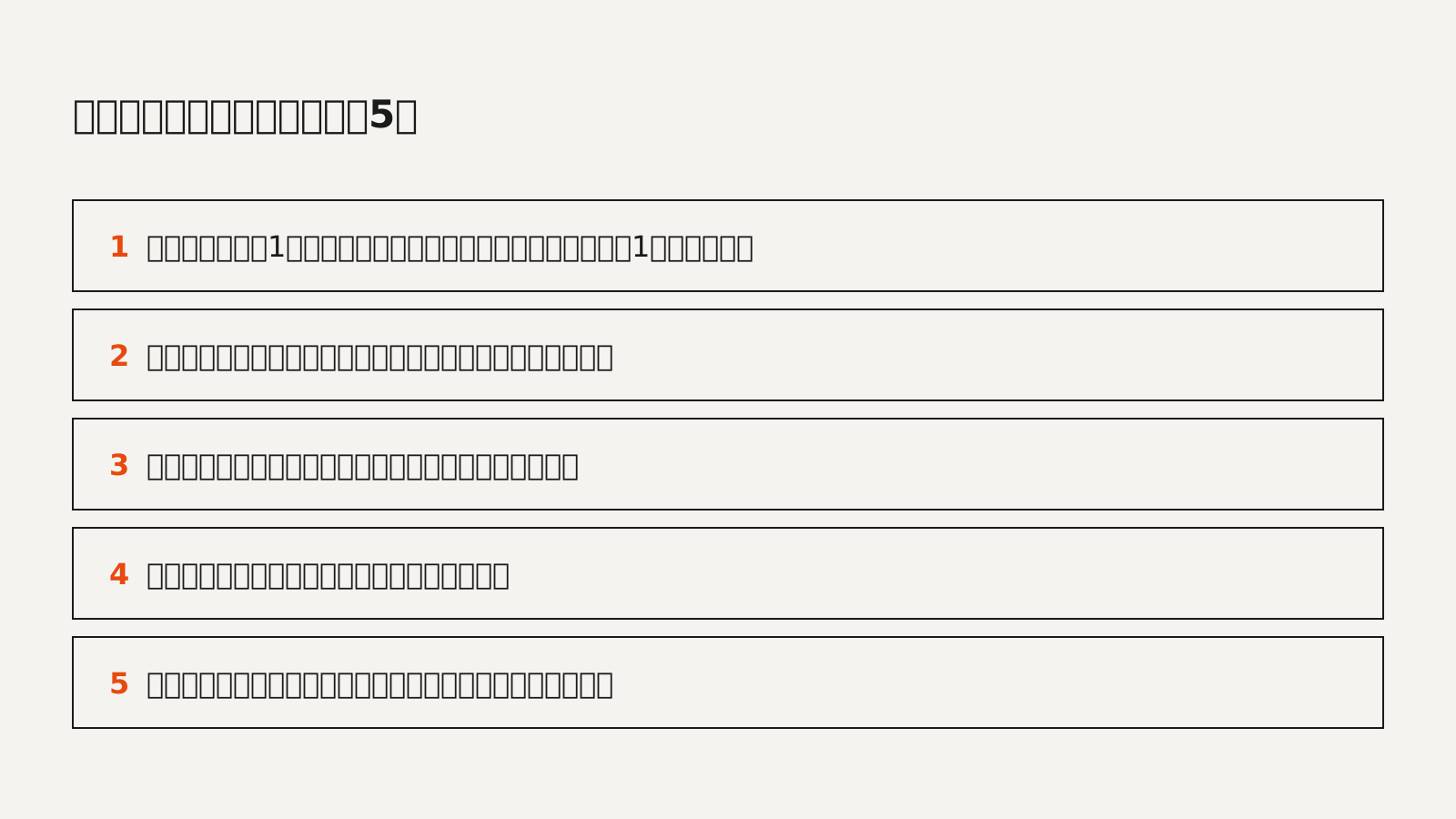
- Narrow down what you collect to one thing. Choose among voices, photos, or records, and make contributing take about a minute. For example, if you ask visitors to write one line on what they like about a shop, place the writing spot and the collection method within the flow of the venue
- Decide where and for how long it will be displayed first. Without a defined place where people can "go see their own contribution," contributors have no reason to look for it, whether that's inside a train, in a store, or in an official account post
- Create a path back to the individual. Make it possible for people to find where their voice or record appeared (guidance on display locations, a personal page for records, and so on)
- Decide how names and secondary use are handled at the time of collection. Make clear at the collection point whether names will be shown and which media will use the content and for how long
- Create multiple occasions for reporting. Designing the campaign so the situation changes along the way, such as raising a goal or adding display locations, gives the audience a reason to post again
For example, in a gifting program that sends products to 20 people before launch, this pattern would mean collecting not "their impressions of the product" but "a photo of the place where they'd put this product," and using that photo in an in-store display. Rather than asking for impressions, having the person's own belongings (their room, their city) become part of the campaign gives them a stronger reason to post.
Scope of This Article
This article interprets the structure of three campaigns based only on what is stated in published news reports and press releases. It does not cover the size of each campaign's response or its impact on sales. The reasons "why they got talked about" are our own interpretation, not the official views of the brands involved.
Conclusion
The pattern of using the audience's own belongings as material is a design that reduces how much the brand says and increases how much the audience says.