How Should YouTube Audience Retention Be Used to Evaluate Sponsored Collaboration Videos?
This article was automatically translated from the Japanese original. Read the original in Japanese
Evaluating YouTube sponsored collaboration videos should go beyond view counts to examine audience retention and identify at what point viewers drop off. Once you know when drop-off occurs, you can apply script and editing improvements to future casting decisions.
Why View Counts Alone Aren't Enough for Evaluation
View counts show how many times a video has been watched, but they don't reveal whether it was watched to the end. A video where viewers dropped off right after the opening and a video watched all the way through can have the same view count, yet the amount of message actually conveyed is completely different. As discussed in What Elements Are Essential in the Structure (Script) of a YouTube Sponsored Collaboration?, structure is built specifically to keep viewers watching to the end, so measuring its effectiveness requires metrics beyond view count.
What to Look at in Audience Retention
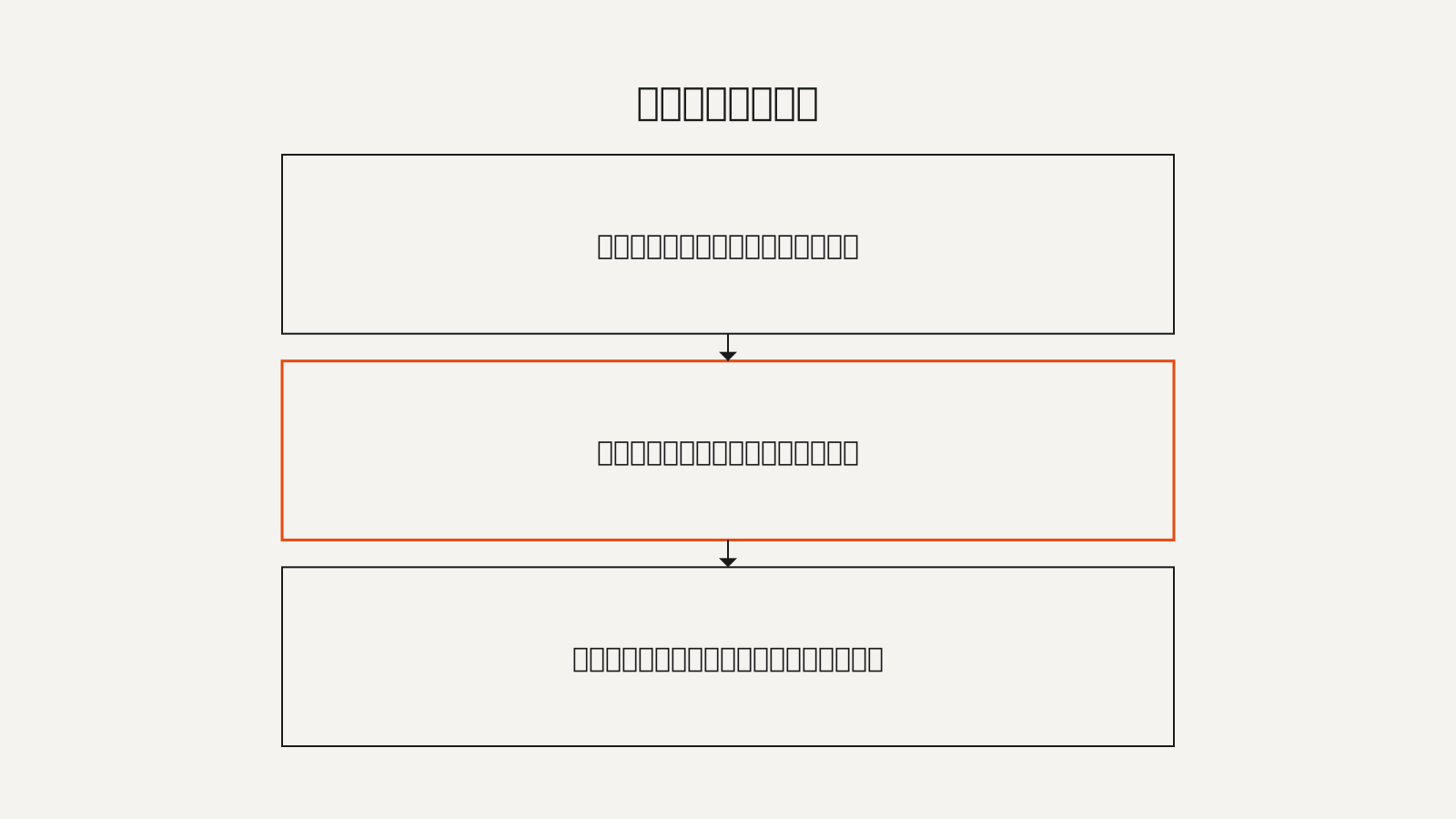
The key thing to look at is the point where retention drops sharply. A steep drop at the beginning indicates a problem with the hook right after the opening. A drop in the middle may mean the content at that point doesn't align with viewer interest. The first step is to check the retention graph along the timeline and identify exactly where the drop-offs occur.
What to Improve Based on Drop-Off Points
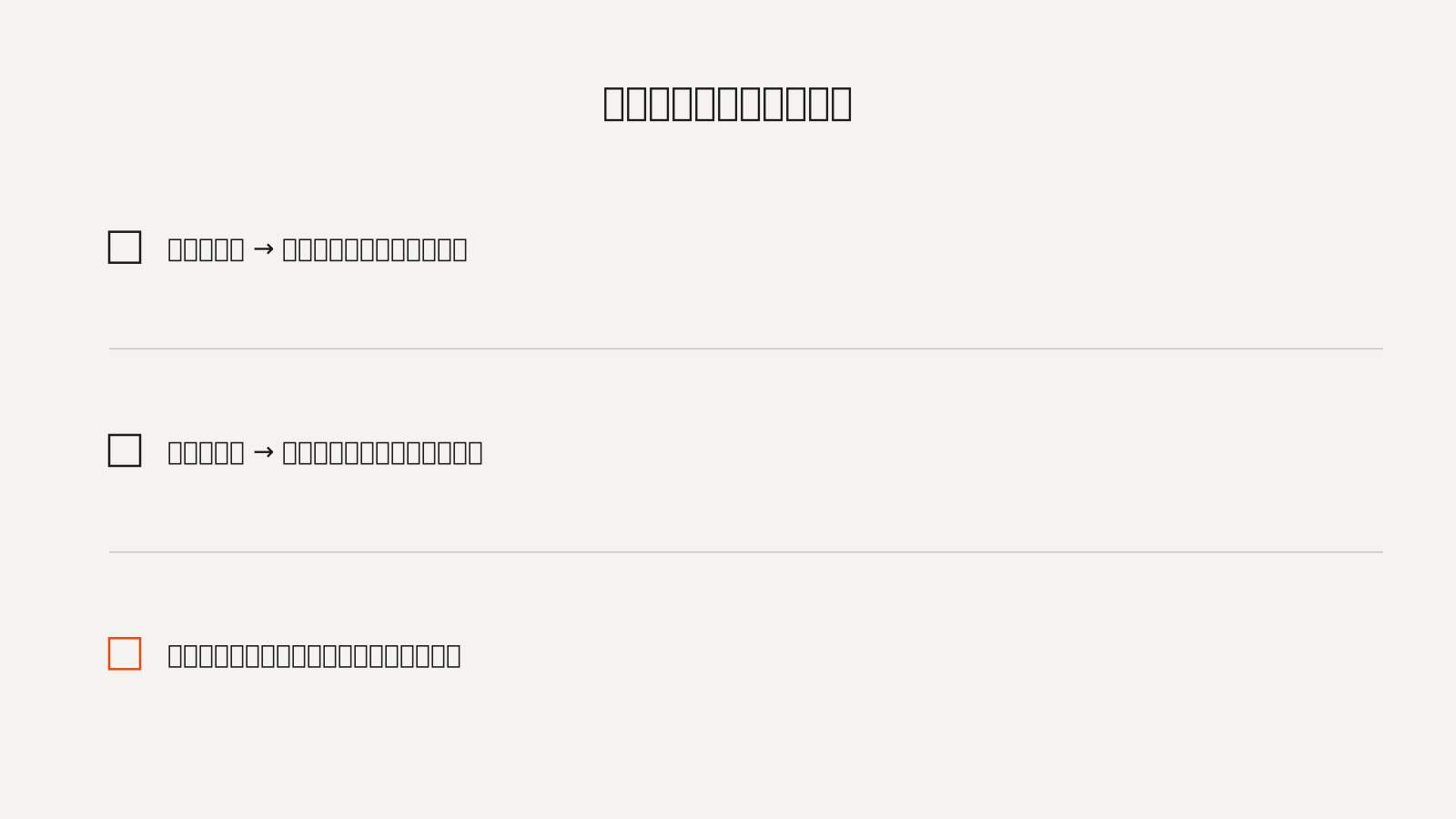
Once you know when drop-off is occurring, you can adjust the script and editing for the next video so the same issue doesn't recur at the same point. If a lot of drop-off happens at the beginning, restructure the video to bring the conclusion or highlights forward. If drop-off is concentrated in the middle, consider shortening that section or changing how it unfolds. Combined with the perspective on checks covered in How Much Should Brands Check Video Titles and Thumbnails?, continuously reviewing both the entry point and the content of the video improves the precision of future casting decisions.
Scope of This Article
This article covers how to use audience retention in evaluation. It does not cover specific editing techniques for improving retention or how to obtain these figures on different platforms.
Conclusion
Evaluating YouTube sponsored collaboration videos by looking not just at the outcome—view count—but also at the process, as reflected in audience retention, reveals concrete improvement points that can be applied to future casting decisions.