When a Brand Wants an Influencer's Post Deleted, How Far Can They Go?
This article was automatically translated from the Japanese original. Read the original in Japanese
Since the post belongs to the influencer, the final decision on deletion must rest with them. All a brand can do is explain its reasons and request the deletion—it cannot force the removal itself. This is because the post is an asset on the influencer's own account, and unless it violates a contractual agreement, the authority to delete it rests with the influencer.
Why must the final decision on deletion rest with the influencer?
A post is not advertising material created by the brand—it is content that exists on the influencer's own account. If a brand operates under the assumption that it can unilaterally delete a post, this risks being misunderstood as treating the relationship more like employment than a collaborative partnership. Brands and influencers work together as equal partners, and it's important to share the shared understanding that the final authority over deletion belongs to the influencer.
How should brands make the request?
When requesting a deletion, the brand should specifically explain what the problem is and why deletion was deemed necessary before making the request. As also discussed in What to do when a sponsored collaboration post is published late, issuing a one-sided instruction without explaining the reasoning damages trust with the influencer. Rather than saying "Please delete this," the practical approach is to frame the request as "Could you delete this because of [reason]?"
What should be done if the influencer doesn't comply?
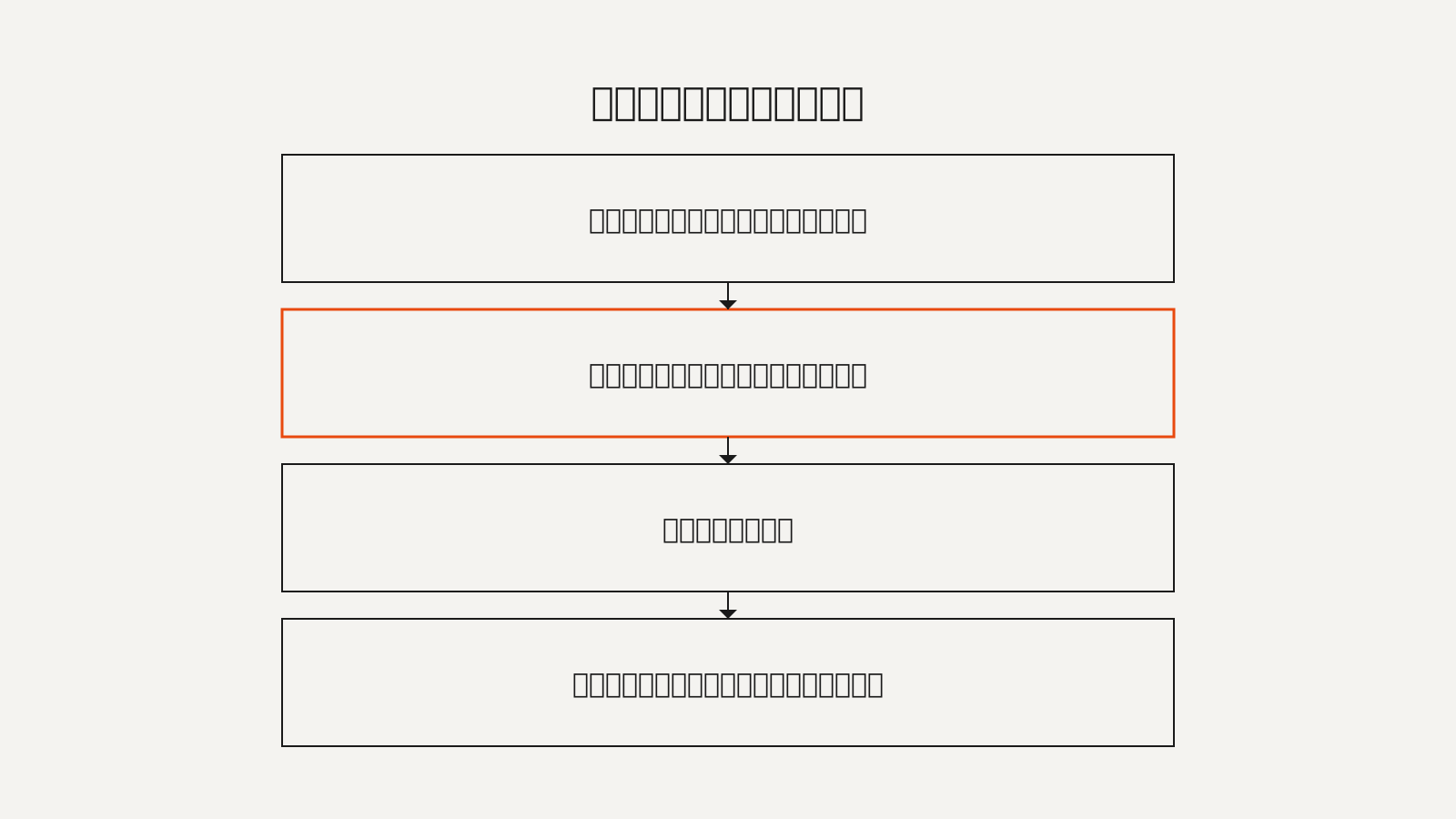
If the influencer doesn't agree to delete the post, the brand has no choice but to proceed according to the terms defined in the contract. As also discussed in What to do if a sponsored collaboration post goes live without a PR disclosure, how post-related issues are handled depends heavily on how the contract was designed beforehand. Clearly specifying in the contract the conditions under which deletion can be requested reduces the amount of rework needed when such requests arise later.
What can be done in advance to reduce deletion requests?
Requests for deletion after publication often stem from insufficient checks beforehand. Carefully carrying out the pre-publication review process discussed in How far can correction requests to influencers go? is the most reliable way to reduce the need for deletion requests after a post goes live.
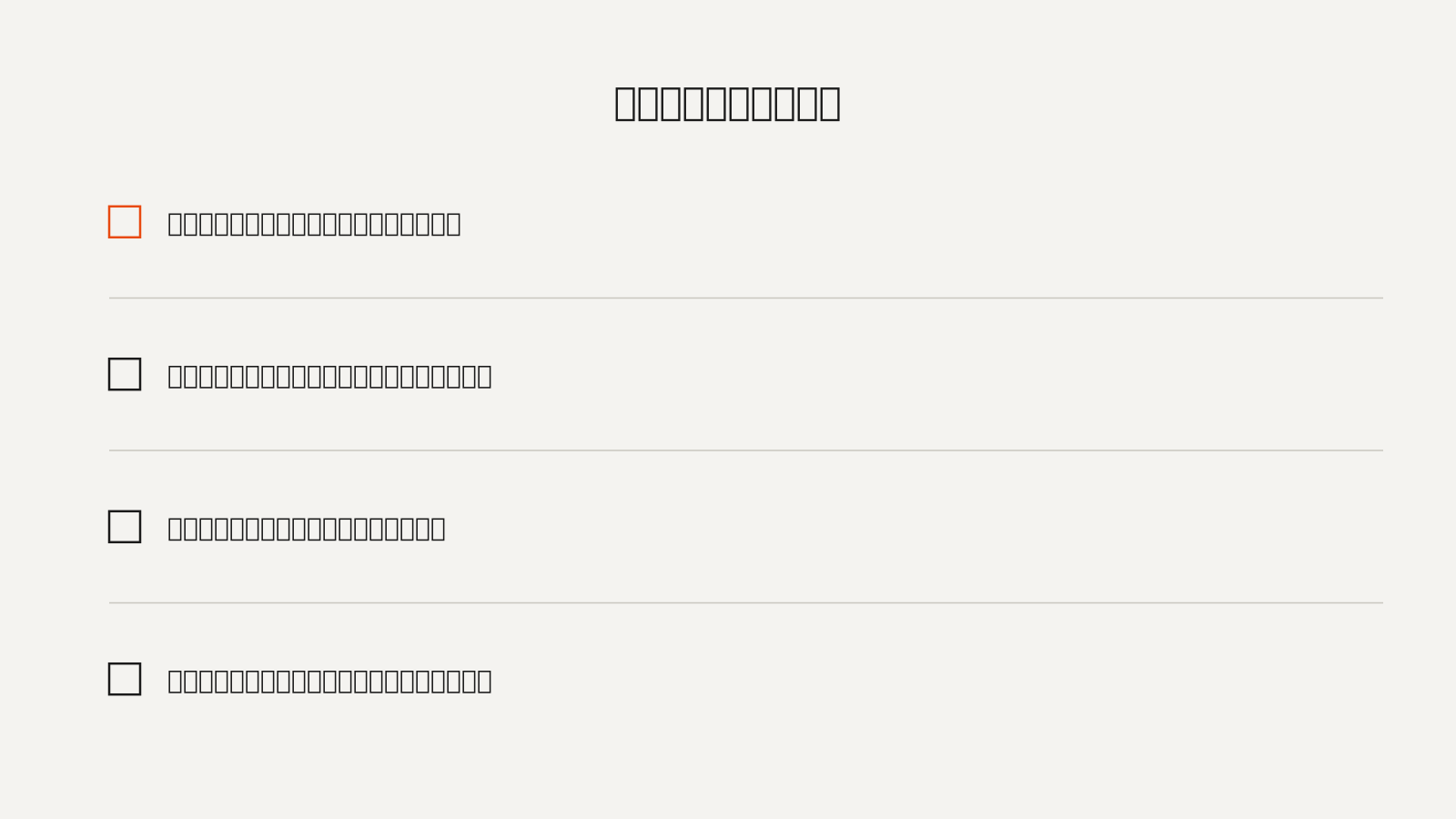
The premise that deletion cannot be forced is not an inconvenience—it is simply the shape a collaborative relationship takes when it's built on trust with the influencer. Designing agreements upfront with this premise in mind is ultimately the most effective way to minimize trouble down the line.