What Is Secondary Use of Posted Content? The Basics and Cautions of Repurposing for Advertising
This article was automatically translated from the Japanese original. Read the original in Japanese

"We'd like to use the post we had you create as-is in our advertising," or "We'd like to feature it on our product page too"—after a sponsored collaboration wraps up, it's not uncommon for us to receive requests like these from brand representatives. It's only natural to want to make further use of content when a post has performed well.
However, having someone post on SNS and repurposing that post for advertising or owned media are two separate actions requiring separate permissions. This article organizes what needs to be decided when considering secondary use, and how things change depending on the timing of the request.
Secondary Use Is a Separate Matter from Permission to Post
Let's first establish the premise. An influencer posting on SNS is the action requested under the casting agreement. A brand using that post outside the platform—in advertising, on an e-commerce site, or on in-store displays—requires a separate permission. It's important to treat the act of posting and the act of using that material as advertising material as two distinct matters in terms of rights.
This distinction tends to get overlooked. Once a post is published, it can look to the brand side like "material that's already available for use." But a post is the individual's own expression, and the photos, videos, and accompanying text within it are subject to that individual's rights. When considering repurposing content for advertising, this needs to be the starting point.
In recent years, the practice of using SNS posts as-is for advertising creative has become quite common. Precisely because of this, whether secondary use can be pursued while maintaining the sense of trust that "they used it exactly as agreed" affects how easy it will be to work with that influencer again in the future.
There Are Five Things to Decide for Secondary Use
When considering secondary use, the following five items are what we always confirm as part of casting design.
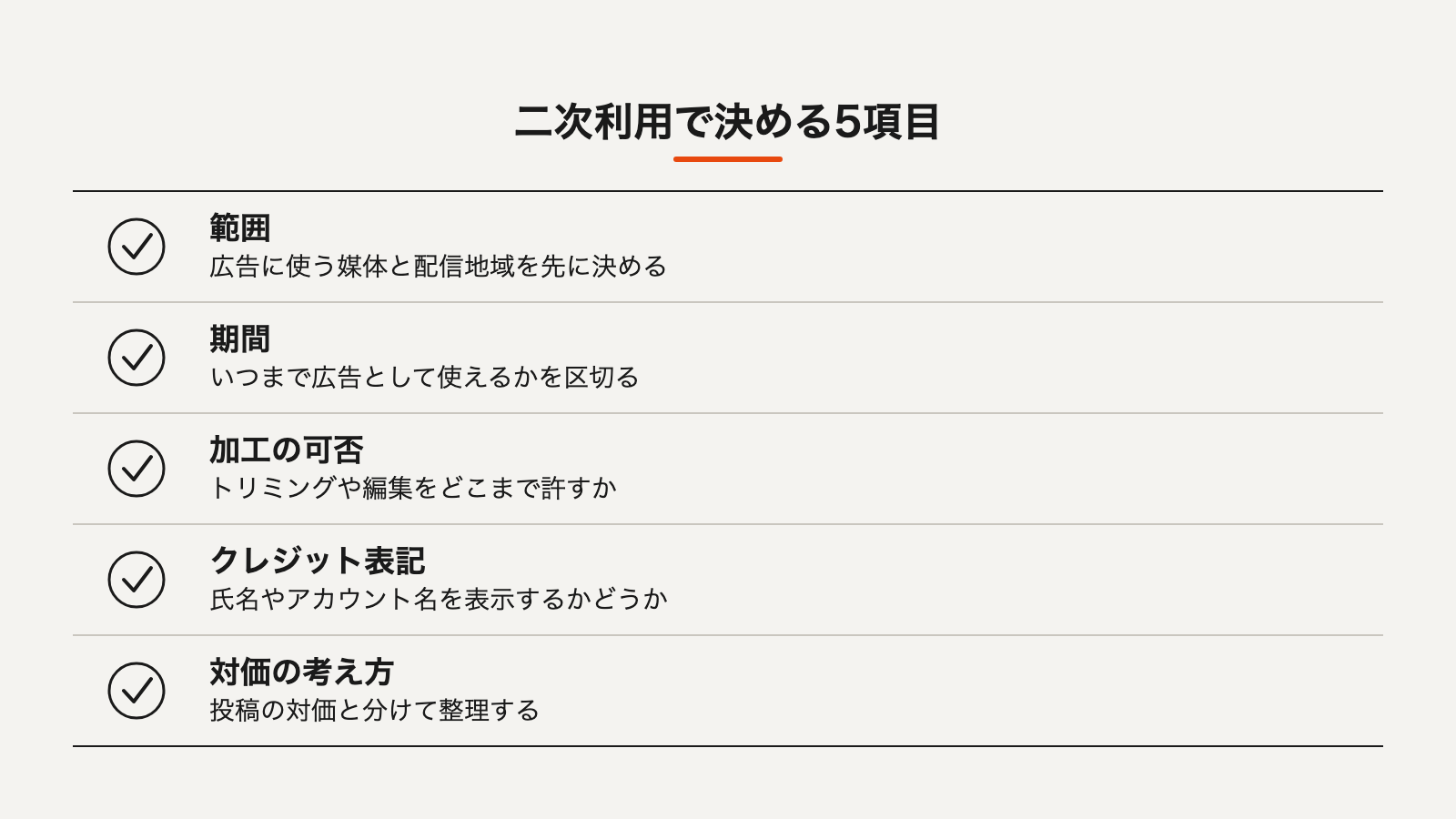
Figure 1: Five items to decide for secondary use
Scope (which media and which regions it will be used in)
First determine the media where the content will run as advertising (SNS ads, display ads, e-commerce sites, in-store displays, etc.) and the regions where it will be distributed. Avoid vague agreements like "can be used in advertising generally"—instead, specifically list the media being considered and confirm them. Discovering later that content was used in a medium that wasn't anticipated is particularly damaging to trust for the influencer.
Duration (how long it can be used)
While a post remains published on SNS indefinitely, its use as advertising should generally have a set time limit. If a longer usage period is needed, that should be factored into the agreement upfront. Continuing to use content without a clear end date can lead to surprise later along the lines of "wait, they were still using this?"
Whether editing is permitted (cropping, text overlays, color correction, etc.)
If editing for advertising purposes is anticipated, that scope should also be decided in advance. How the individual feels about this varies greatly depending on whether it's limited to cropping or text overlays, or involves major editing. Those who place particular value on the worldview of their content tend to be cautious about the extent of editing allowed.
Credit attribution
Whether to display the individual's account name or name on the advertising material is also something to decide. Displaying it can sometimes serve as an opportunity to convey the individual's influence, while in other cases it may be preferable not to display it. Which is appropriate varies by project and can't be governed by a uniform rule.
Approach to compensation
Secondary use represents a different form of value than the original post. Whether to include it within the compensation already set for the post, or to set separate compensation for it, should be sorted out at the casting design stage. This article doesn't address specific compensation amounts, but the basic understanding that "compensation for the post and compensation for secondary use are separate matters" needs to be established regardless of project scale.
These five items don't function in isolation—they take on meaning in combination. Even if a time limit is set, if the scope remains "advertising in general," it effectively becomes close to unlimited. Likewise, even with an agreement that allows free editing, without rules on credit attribution, content may end up circulating in a way the individual never intended.
Note that secondary use isn't something to consider uniformly for every post. Structuring a contract on the assumption that every post from a casting will be repurposed for advertising means requesting permissions for scope you won't actually use, which can raise the bar for negotiation. A more realistic approach for both parties is to narrow down which posts might potentially be used in advertising, and then confirm the five items for those specific posts.
The Timing of the Request Changes How Easily Things Move Forward
How easily an agreement on secondary use can be reached depends greatly on when it's discussed.
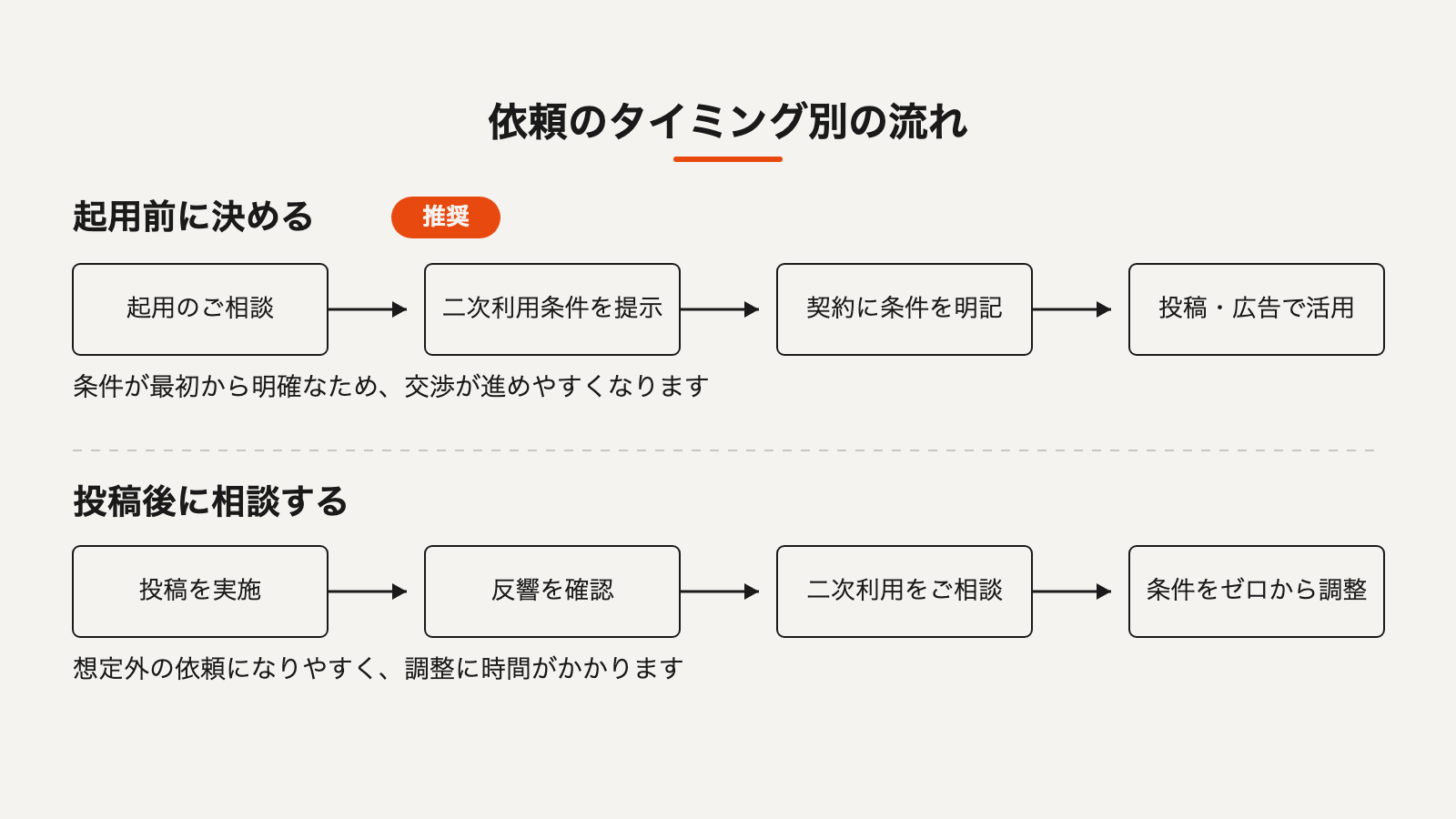
Figure 2: Process flow by request timing
When decided before casting
At the stage of concluding the casting agreement, present the terms of secondary use alongside the content of the post itself. At this point, the influencer can decide whether to accept based on the full picture. Because the conditions are clear from the outset, negotiation tends to proceed more smoothly.
When discussed after the post goes live
Sometimes, after a post is published, a request arises along the lines of "the response was better than expected, so we'd like to use it in advertising." This approach isn't inherently problematic, but for the individual, it's a request they hadn't originally anticipated. Because it involves asking for a use that wasn't part of the original agreement at the time of posting, aligning on conditions tends to take more time, and the likelihood of the request being declined is higher than when it's decided before casting.
In our own track record, secondary use agreements tend to come together more easily when presented as an option before casting. The main reason post-publication discussions are harder to finalize isn't really about the individual's willingness—it's that all five items suddenly need to be decided at once after the fact, which takes time to coordinate. It's natural to want to use a well-performing post in advertising, but anticipating this and building secondary use into the casting design from the start ultimately makes it easier for the individual to make a decision as well.
When Third-Party Rights Are Involved—Likeness, Music, etc.—Separate Confirmation Is Needed
A post may include rights belonging to parties other than the influencer. Examples include a family member or friend appearing in the frame, a store or facility visible in the background, or background music used in the post.
Even if the influencer agrees to secondary use, these are elements they cannot authorize on their own. The likeness of anyone else appearing in the post, permission from the facility, and permission from the music rights holder each require separate confirmation. The larger the scale of the advertising rollout, the greater the impact of leaving this confirmation until later. When requesting a post intended for secondary use, it's practical to discuss in advance—at the stage of directing the content of the post itself—whether the composition can avoid including such third-party rights.
Checking at the time a post is requested whether the concept is likely to involve such elements can prevent scrambling later when secondary use is being considered. Conversely, if third-party elements are noticed after a post has already gone live, adjustments become necessary—such as limiting the scope of secondary use to a form where that portion isn't an issue (for example, excluding it through cropping). As also discussed in What Is Influencer Casting?, the process of directing a post should inherently proceed together with this kind of confirmation.
The Key Distinction Is Whether Options Were Presented Before Casting
Let's summarize how the points organized above apply in practice. The key distinction comes down to whether the possibility of secondary use has been anticipated at the casting design stage.
For campaigns that assume repurposing for advertising from the outset, the five items for secondary use should be built into the conditions presented before casting. On the other hand, if there's a reason to wait and decide based on the post's response, simply informing the individual of this in advance—sharing the premise that "we may consult with you depending on the response"—can make post-publication discussions easier to move forward. Avoiding the situation of suddenly making an unanticipated request is itself what determines how smoothly things proceed.
Cases where ambiguous conditions lead to a mismatch between the intent of the post and how the brand uses it follow the same structure as the casting design misalignment discussed in When the Results of a Sponsored Collaboration Don't Add Up. Positioning secondary use as part of the overall casting design can reduce the need for adjustments later in the process.
Another key distinction is which direction to lean when in doubt. There's a view that setting a broader scope and duration upfront avoids scrambling later. However, we recommend starting with a narrower agreement. Agreeing to a narrow scope first, then discussing an expansion when it actually becomes necessary, makes it easier for the individual to judge based on how the content is actually being used—and, as a result, makes the agreement itself easier to reach.
The Scope of This Article
This article covered the items to decide when considering secondary use and the differences depending on the timing of the request. It did not address interpretation of copyright law or portrait rights provisions, specific contract wording, or compensation levels for secondary use. These need to be examined individually depending on the nature of the project, region, and extent of editing, so we recommend confirming conditions on a case-by-case basis when entering into an actual contract.
In Closing
While secondary use of posted material expands the range of advertising expression, it also carries the risk of leading to uses the individual never anticipated. Organizing what to decide, when, and with whom at the casting design stage helps protect both the value of the advertising and the relationship of trust with the influencer.