How Much Can You Specify in the Wording and Cut Structure of Sponsored Collaboration Posts?
This article was automatically translated from the Japanese original. Read the original in Japanese

What you can specify is limited to the facts that need to be conveyed and the disclosures that must be observed. If you tightly control the actual construction of the expression—word choice, sentence structure, or video cut composition—the content ends up feeling overtly advertorial, which raises the likelihood that the influencer will decline to publish the post altogether.
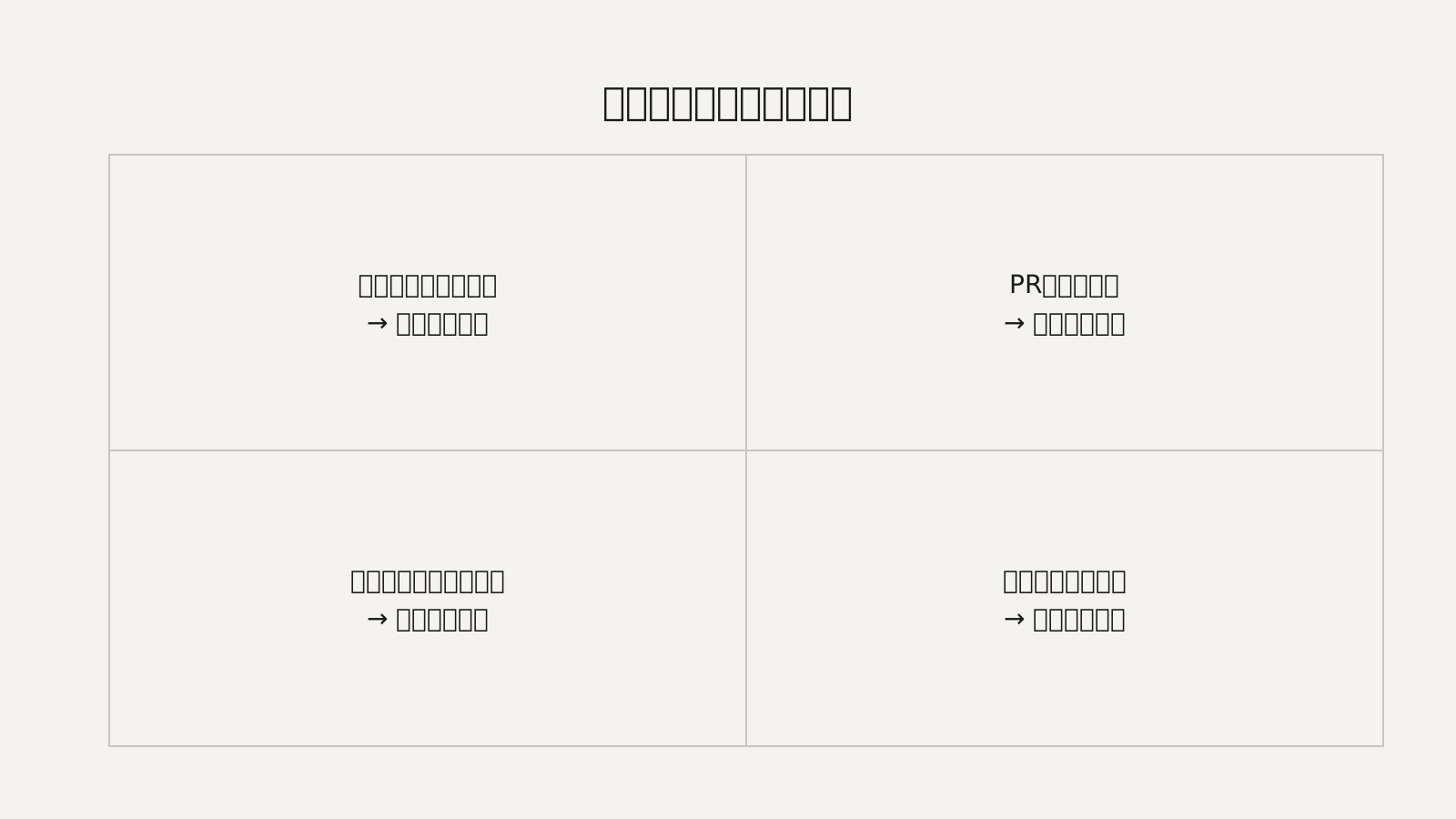
What Can Be Specified
Facts and disclosure requirements—such as the product's key features, information that could cause misunderstanding if omitted, and whether a PR label is required—are areas that can and should be clearly communicated at the time of the request. These points aren't about the quality of the post; they concern risks that both the brand and the influencer will bear after publication, so they need to be shared in advance.
What Happens When You Control Structure and Cut Composition
If you specify the skeleton of the expression itself—wording, paragraph structure, or video cut composition—the post ends up looking less like the influencer's own voice and more like them reading a script prepared by the company. Followers are sensitive to this distinction, and once they sense a strong advertorial tone, engagement with the post tends to drop. In addition, the more detailed the specifications, the less likely the influencer is to accept the request in the first place.
How Should the Request Be Structured?
The request should list, in bullet points, the "facts you want conveyed" and the "disclosures that must be observed," while leaving the choice of sentence structure and wording to the influencer. By clearly separating, at the time of the request, what "must absolutely be included" from what "can be freely constructed from here," you can prevent misalignment later on.
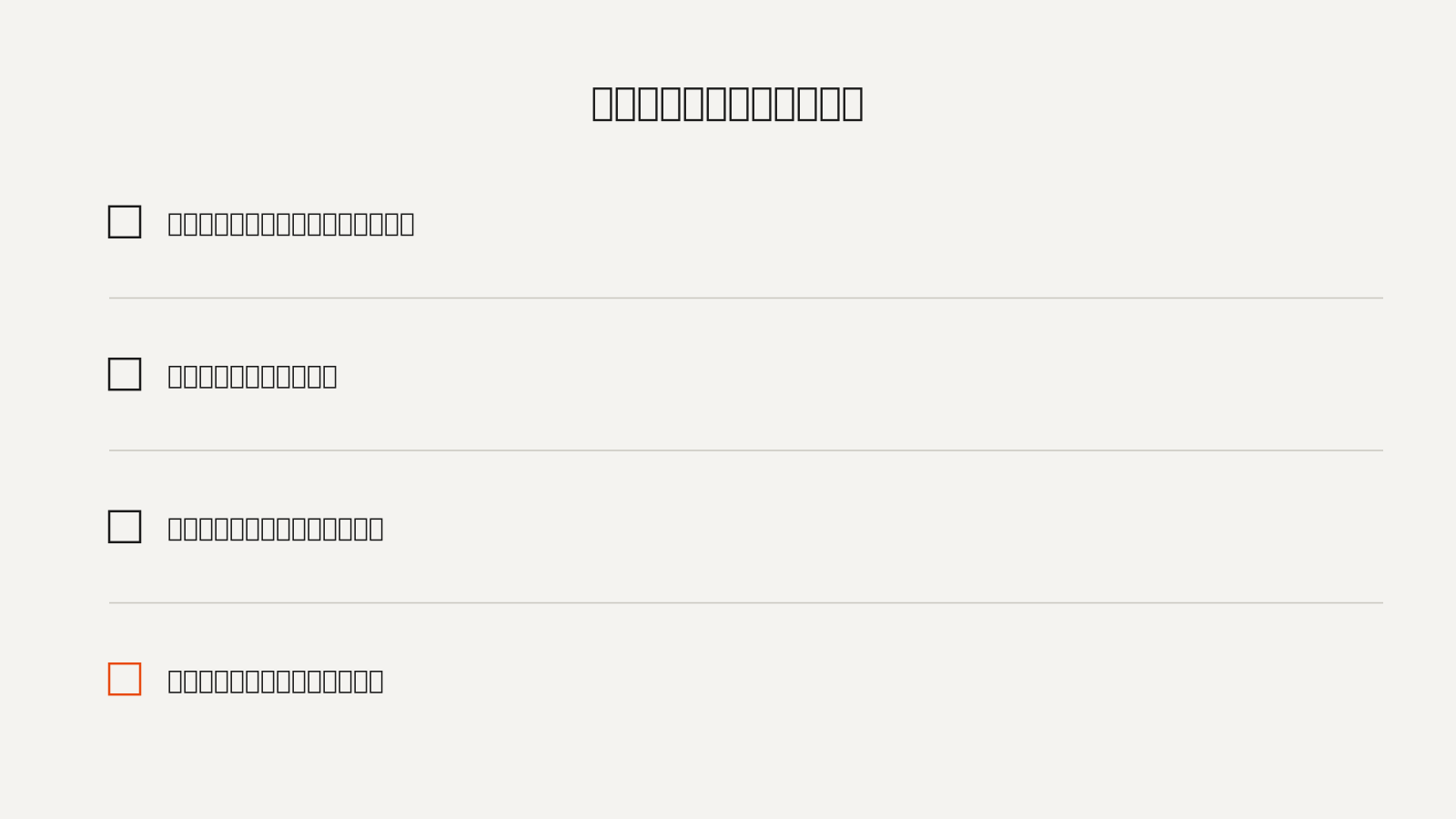
What Effect Does Leaving Discretion to the Influencer Have?
When structure and cut composition are left to the influencer, they can convey the information while maintaining their usual relationship with their followers, making the post itself more likely to be accepted naturally. As a result, a paradox emerges: narrowing what you specify actually makes the facts you want to convey more likely to reach followers.
Scope of This Article
This article covers the scope of specifying sentence structure and cut composition at the request stage, before posting. For the scope of correction requests regarding factual errors or missing PR disclosures discovered after posting, see How Far Can You Go When Requesting Corrections from an Influencer?. For the overall approach to the granularity of requests, see Same Product, Different Outcomes Depending on Request Granularity: A Practical Guide to Briefing Design.
Conclusion
What you can specify is limited to facts and disclosures. Leaving the structure and wording to the influencer is the shortest path to delivering both a natural-feeling post and the information you want to convey.