What Should You Say First in an Initial Offer to an Influencer?
This article was automatically translated from the Japanese original. Read the original in Japanese

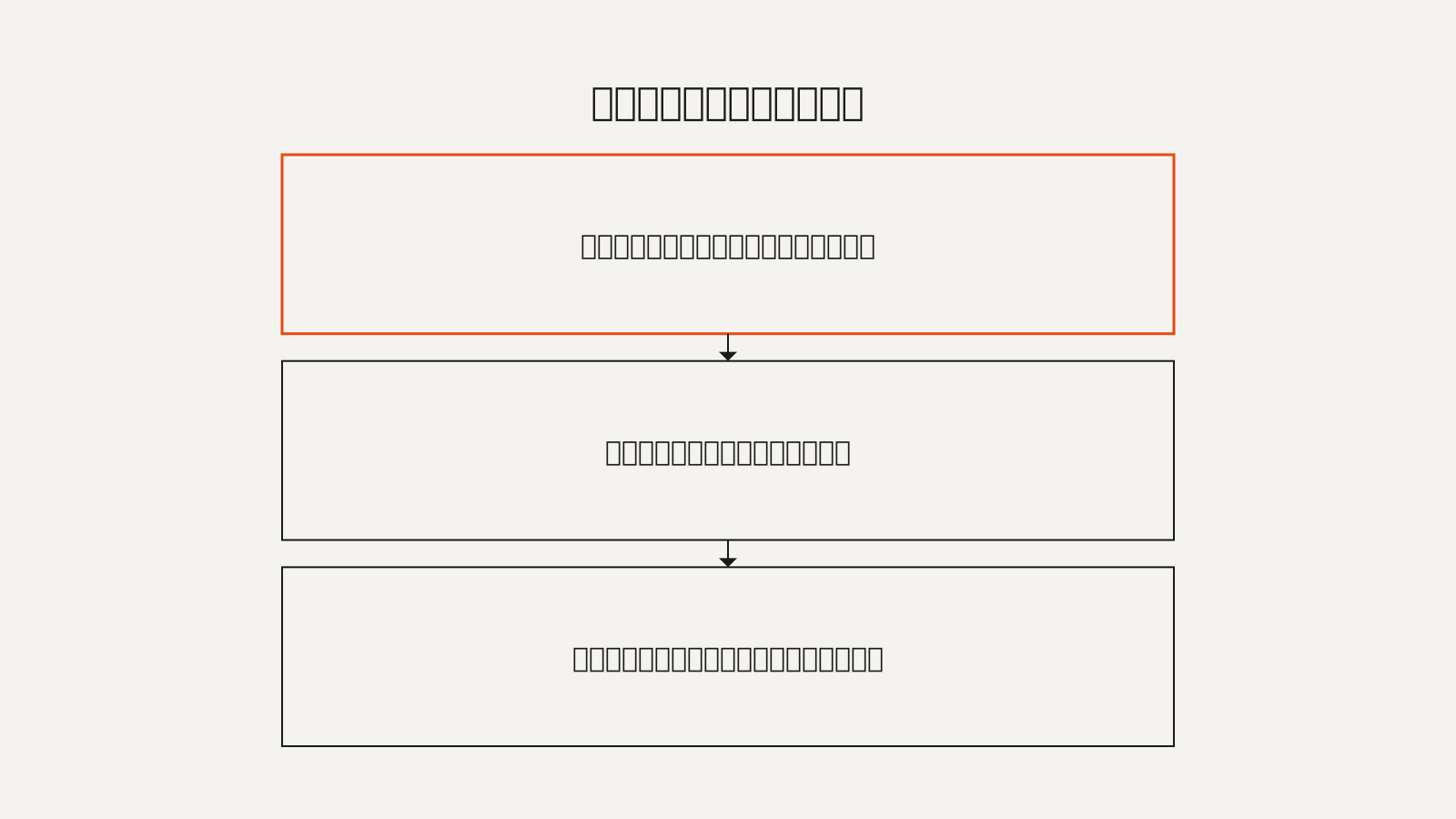
What should come first in an initial offer isn't the terms or product details, but the reason why you want to work with that specific person. If you lead with wording that could be sent to anyone, you immediately create the impression that the recipient is "just one of many candidates." Terms can be adequately conveyed in a follow-up message, so the first message should focus solely on the reason for the request.
Why Should the Reason Come Before the Terms?
When someone receives an initial offer, they first check "why did this come to me" before deciding whether to even read the terms. If the message opens with an explanation of compensation or the number of posts required, the recipient may conclude—based on the terms alone—that this is a mass-sent request. As noted in Casting Success Is Largely Decided at the List-Building Stage, whether a casting effort succeeds is largely determined before the offer is even sent, at the list-building stage. But whether that reasoning actually comes across to the person depends on how the first message is constructed.
What Exactly Should the Reason for the Request Say?
What you should write is a specific observation about which part of the person's posts made you want to work with them. Rather than surface-level information like follower count or demographic attributes, touch on things that apply only to that person—their content angle, their tone, or genres they've covered in the past. Vague words of praise alone are indistinguishable from a template.
When and How Should the Terms Be Communicated?
After conveying the reason for the request, terms such as compensation, the number of posts, and the schedule should be presented concisely—either in a follow-up message or in the latter half of the same message. If you cram too many terms into the first message, the reasoning gets buried. The order to follow is: once interest has been sparked, move on to working out the detailed terms.
As for how to respond when a request is declined, as covered in What to Do Next After a Casting Offer Is Declined, you need to avoid dwelling on the rejection and shift your focus to the next candidate. But before making that judgment, it's worth reviewing whether your initial offer actually conveyed what it needed to—doing so will improve the precision of your next outreach.
Scope of This Article
This article addresses what should be conveyed first in an initial offer. It does not cover a complete template for offer messages or how to proceed with negotiating terms.
Closing Thoughts
Before an initial offer becomes a place to present terms, it's a place to convey why you want to work with that specific person. Get the order wrong, and even the same content will be received differently.