What Common Elements Make Sponsored Posts Prone to Backlash?
This article was automatically translated from the Japanese original. Read the original in Japanese

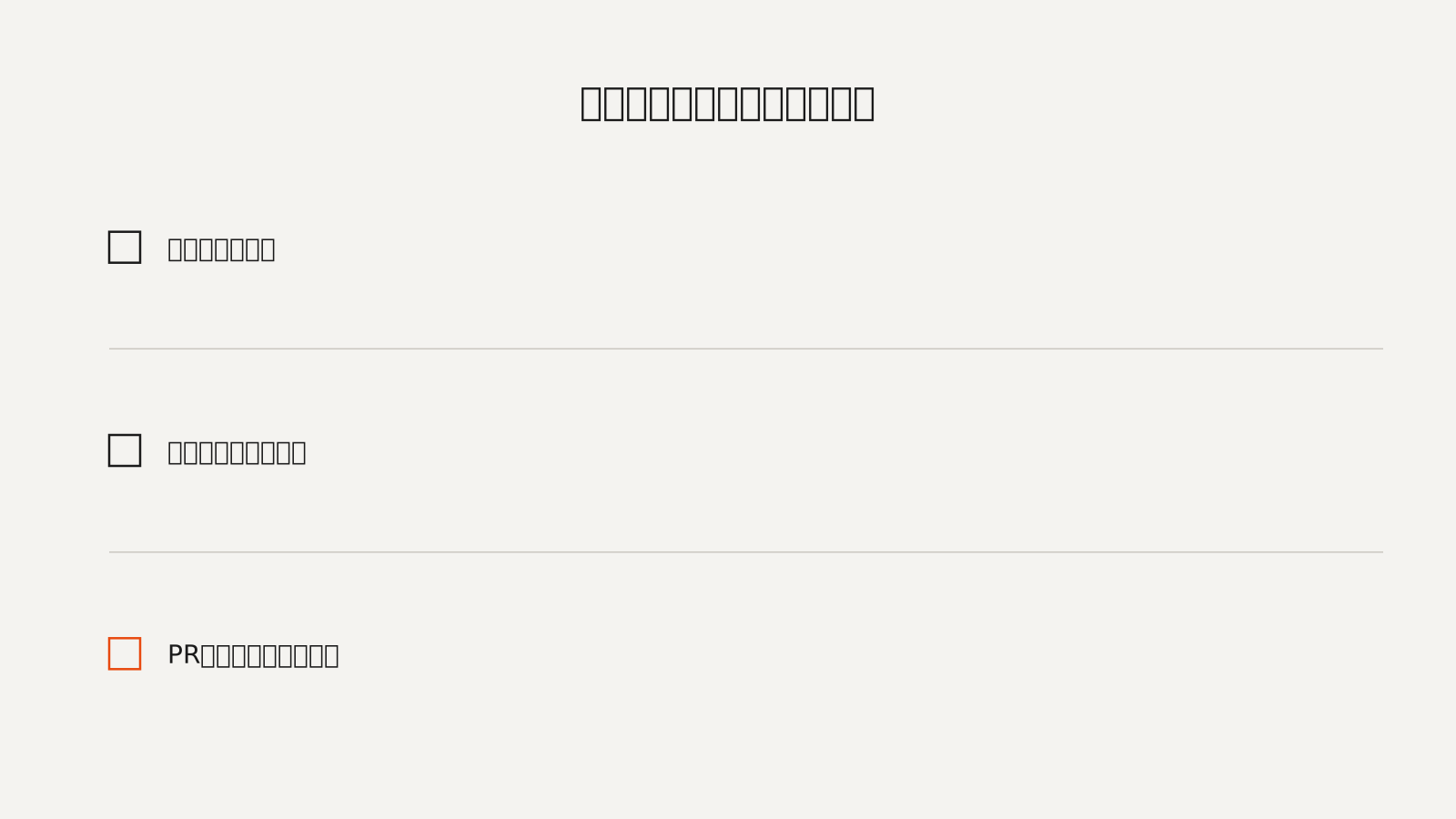
Exaggerated claims about effects, expressions that include comparisons with other companies, and unclear PR labeling are common elements that tend to spark backlash in sponsored collaboration posts. This is because all three types of expression tend to give viewers the impression that the post is "insincere," making them prime targets for criticism. Conversely, simply checking for these three elements before publishing can eliminate much of the risk of backlash in advance.
Why Do Exaggerated Claims About Effects Spark Backlash?
Expressions that diverge from actual experience tend to create a sense of discomfort when viewers try the same product themselves. Definitive statements like "you will definitely see results" or "everyone is satisfied" become targets for criticism if even a single person has a different experience.
Why Do Expressions That Include Comparisons with Other Companies Spark Backlash?
Expressions that specifically name other brands or services and discuss superiority or inferiority tend to provoke backlash from fans or stakeholders associated with the comparison target, and can even escalate into disputes between brands. Communicating the merits of your own product and bringing up other companies for comparison are two entirely different acts.
Why Does Unclear PR Labeling Spark Backlash?
As discussed in What Is PR Labeling for Sponsored Collaboration Posts? The Basics and Practical Framework of Stealth Marketing Regulations, posts that appear to conceal the fact that they are advertisements are easily flagged as stealth marketing. As also discussed in What to Do If a Sponsored Collaboration Post Is Published Without PR Labeling, correcting this after publication involves far more effort and risk than checking beforehand.
How Should These Three Elements Be Checked Before Publication?
Building these three items into the confirmation process discussed in How Far Can You Go When Requesting Corrections from Influencers? as checklist items can help prevent oversights. Rather than meticulously editing the entire expression, focusing the review on just these three points also helps keep the confirmation process from becoming a mere formality.
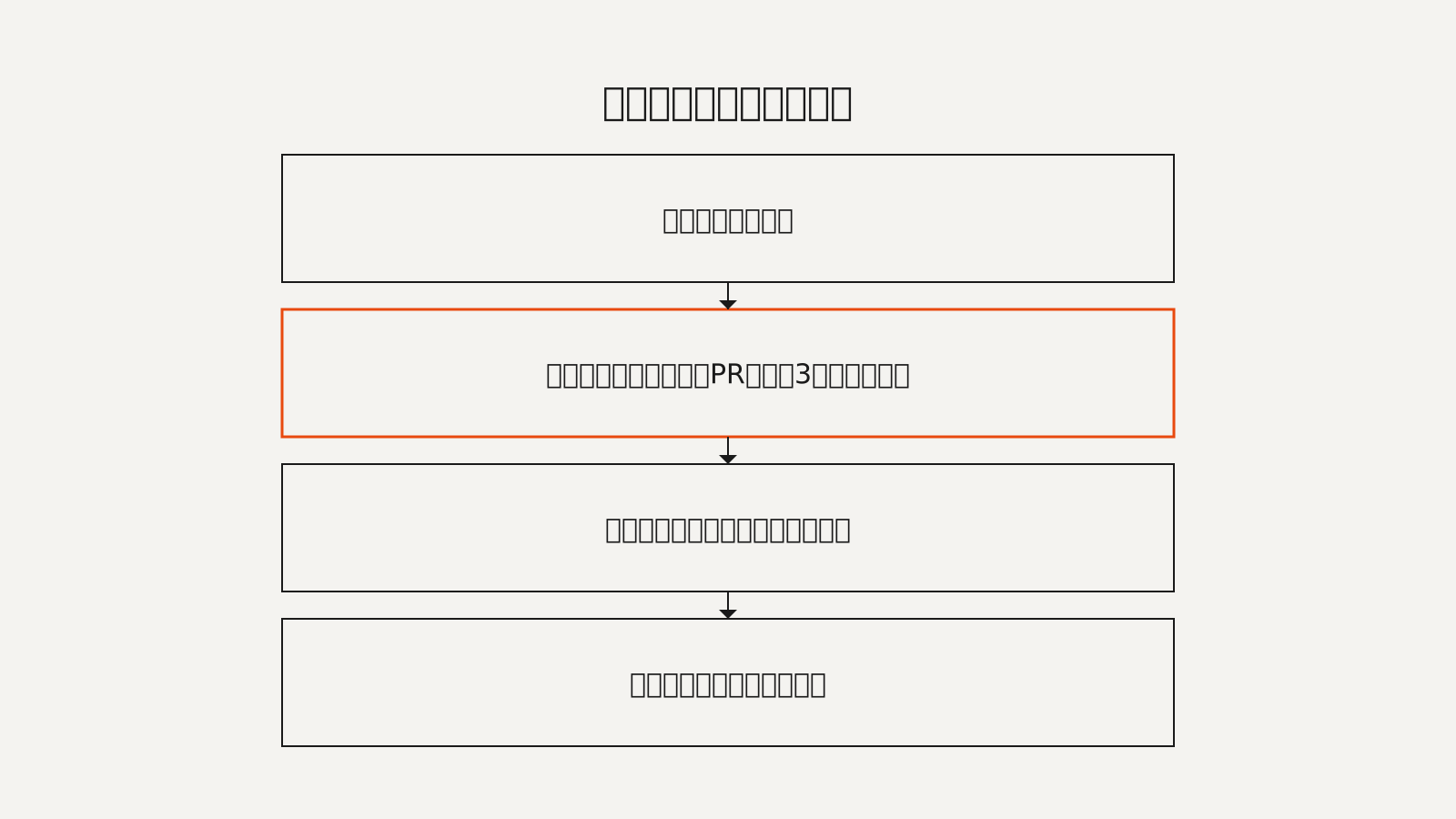
While it's impossible to completely eliminate the risk of backlash, we believe that simply checking for these three common elements before publication can help avoid much of the risk that is avoidable.