Measuring Sponsored Collaboration Results: What to Track Immediately vs. One Month Later
This article was automatically translated from the Japanese original. Read the original in Japanese
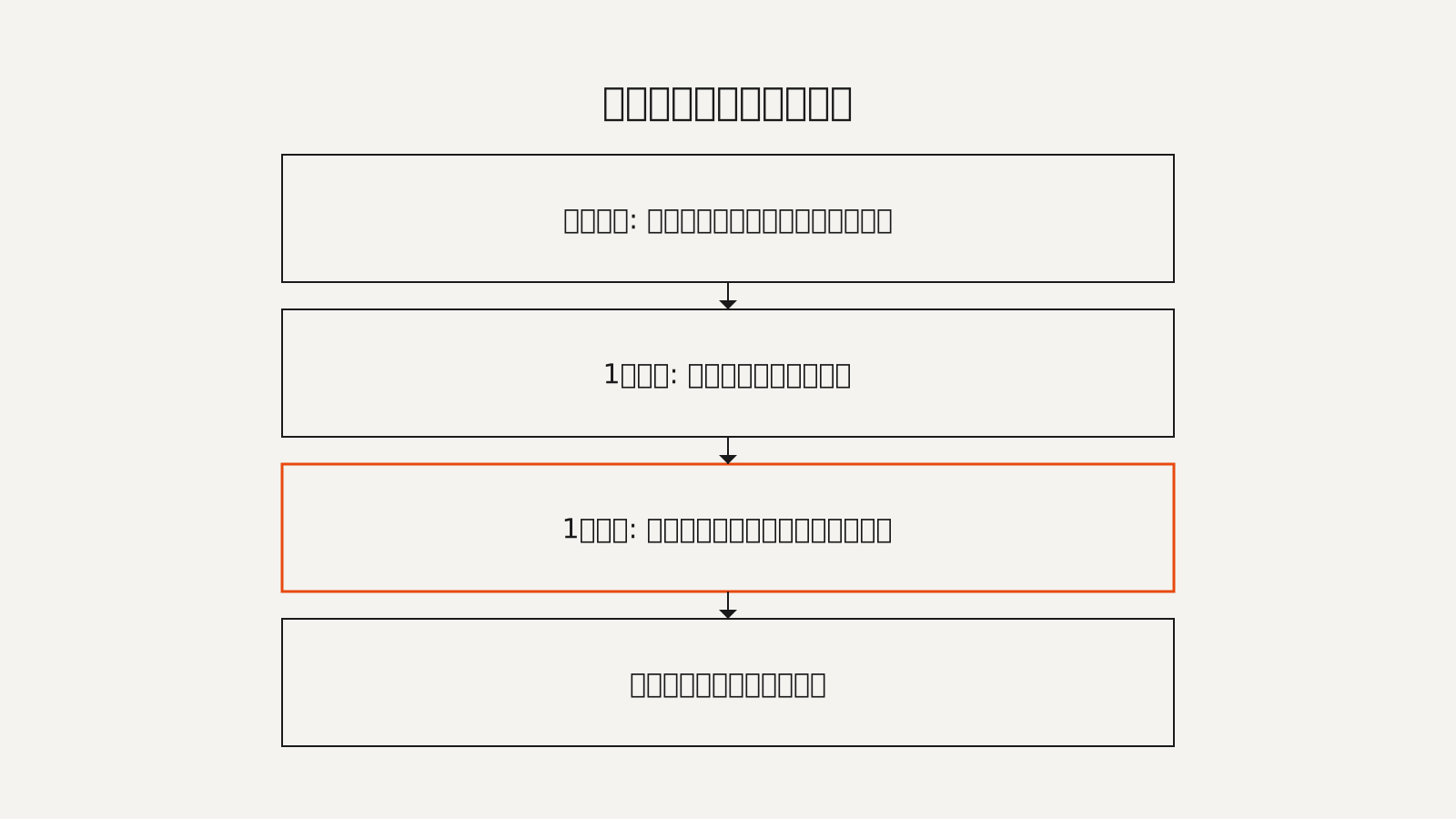
Measuring the effectiveness of sponsored collaborations requires tracking different metrics right after publication versus one month later. Immediately after launch, metrics reflecting instant reactions—such as reach and engagement—are effective, but as time passes, these numbers stop growing. Instead, metrics that capture the "lingering effect," such as branded search volume and follower growth, become better indicators of how far the impact has spread. Mechanically tracking the same metrics throughout risks overlooking effects that should otherwise be visible.
What Metrics Should You Track Immediately After Launch?
As discussed in The Difference Between Reach and Impressions, immediately after publication you should focus on reach and impressions—indicators of how many people the content reached—along with engagement metrics like likes and comments. At this stage, the post is actively flowing through timelines, making it the ideal time to grasp the absolute volume of reactions.
Why Do the Metrics Worth Watching Change After One Month?
One month after publication, the reach and engagement of the post itself naturally decline. What becomes meaningful at this stage are actions that people who saw the campaign later took on their own initiative—such as branded search volume or growth in the official account's follower count. As also touched on in How to Explain the Results of Influencer Campaigns Beyond Sales, there are many cases where the significance of a campaign can be explained even through metrics that don't directly tie to sales, and lingering-effect metrics are a prime example of this.
What Oversights Occur When You Keep Using the Same Metric?
If you continue tracking only the immediate post-launch engagement rate a month later, you'll only notice the decline in numbers and may mistakenly conclude the campaign failed. As discussed in Why High Engagement Rates Don't Always Translate Into Results, judging solely by whether a number goes up or down—without understanding the nature of the metric—causes you to miss effects that would otherwise have been visible through a different metric.
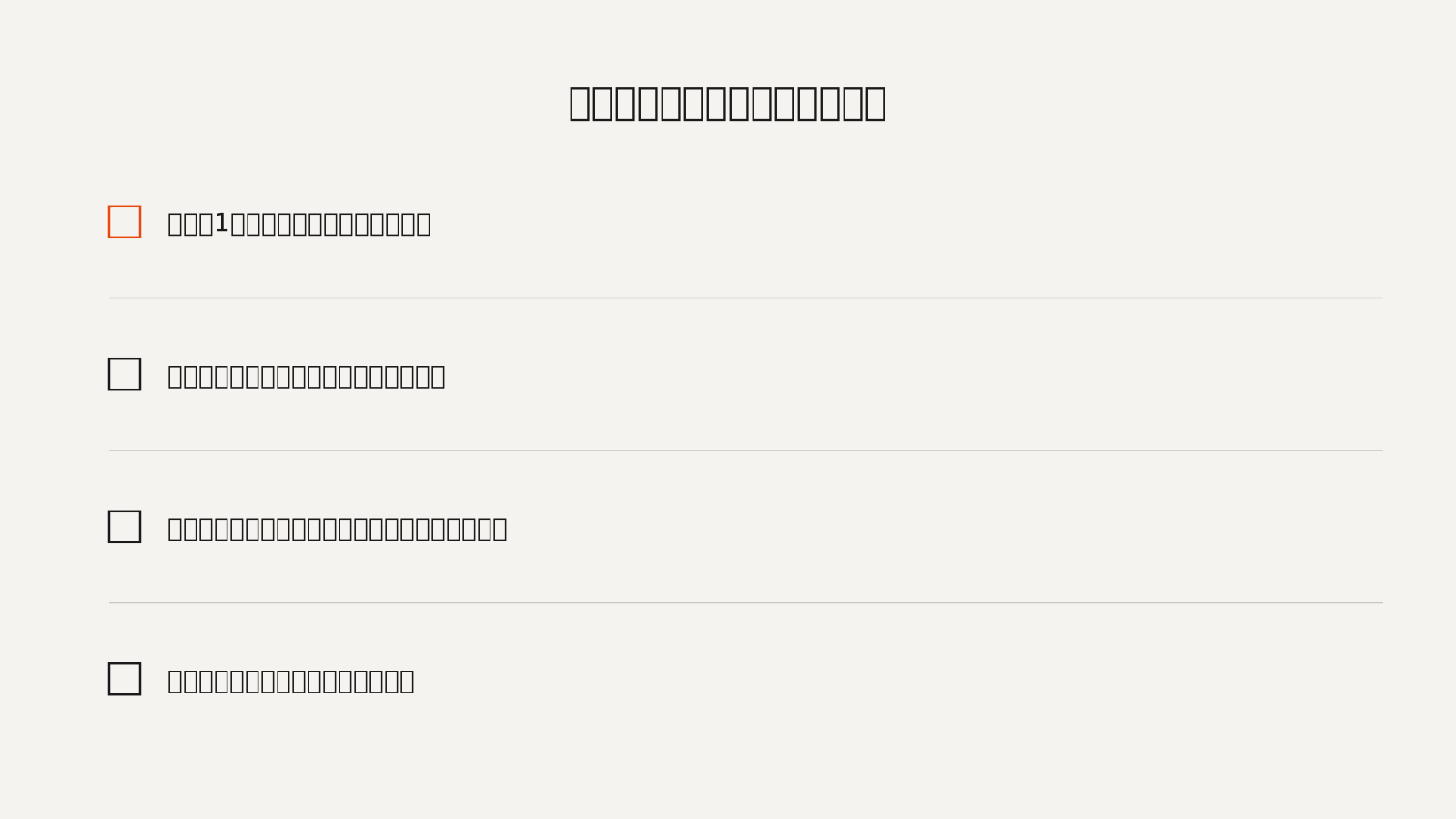
Measuring effectiveness shouldn't be a single snapshot—it requires a design that accounts for the passage of time. We believe that simply separating what you track immediately after launch from what you track a month later is enough to avoid missing the true impact of a campaign.