How to Measure SNS Activation: Three Layers — Post Rate, UGC, and Branded Search
This article was automatically translated from the Japanese original. Read the original in Japanese
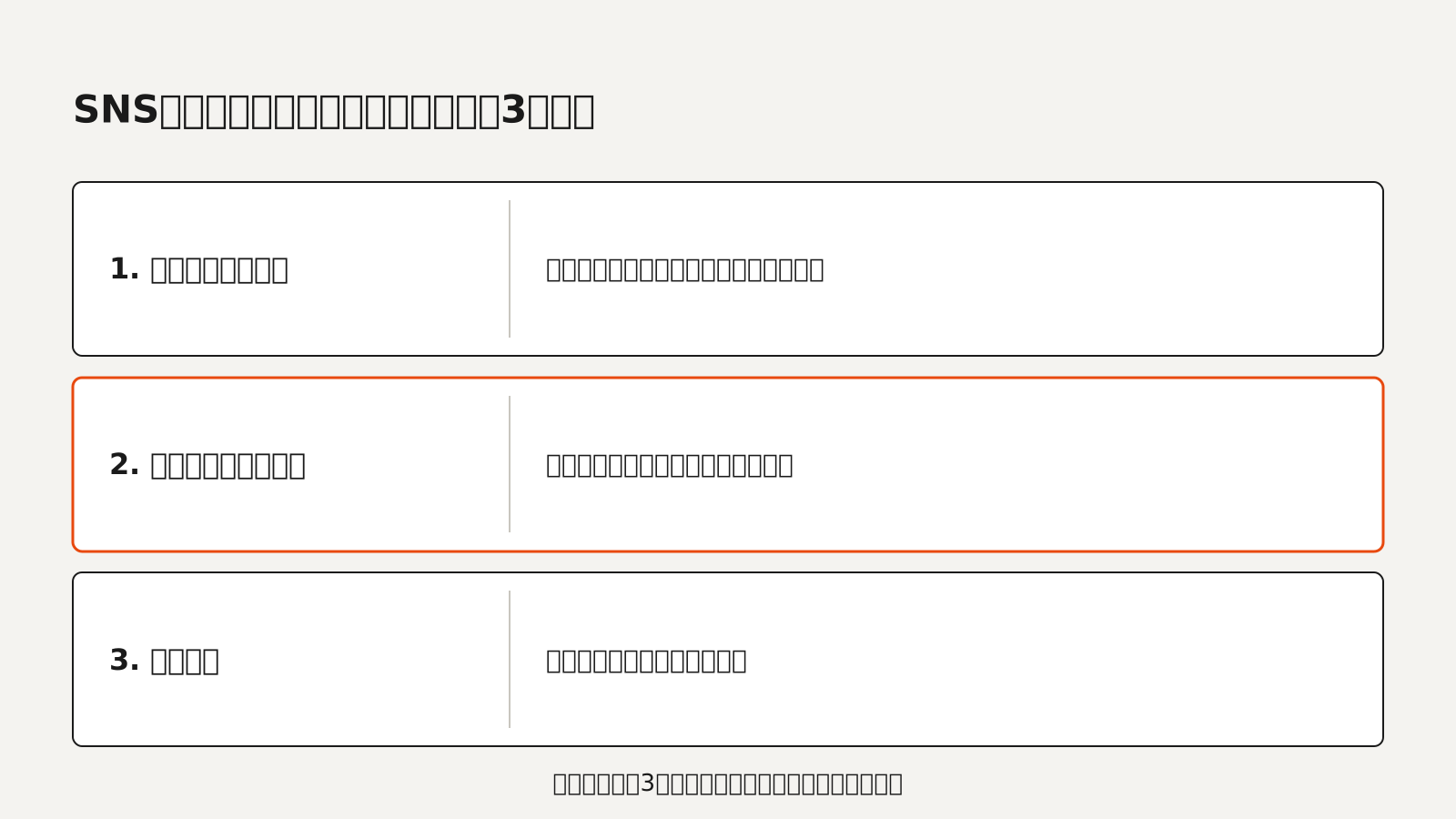
The effectiveness of SNS activation is measured not by attendance, but across three layers: "posts by invited guests," "posts by general attendees (UGC)," and "branded search afterward." Attendance only shows how many people came to the venue; it does not tell you whether the experience was talked about on social media. If you decide at the planning stage what to use to measure each of the three layers, and when, it becomes much easier to explain the results internally once the event is over.
| Layer | What to measure | What it reveals | When to measure |
|---|---|---|---|
| 1. Posts by invited guests | Post rate, and whether the content of the posts matches the intent of the plan | Whether the experience was something people wanted to post about | From the day of the event until the posting deadline |
| 2. Posts by general attendees (UGC) | Number of unrequested posts, and how the experience is described | Whether the experience spread beyond those who were asked | During the event and for a while afterward |
| 3. Branded search | Growth in searches for the brand name or product name | Whether, as a result of being talked about, interest remained beyond the venue | Compare periods of equal length before and after the event |
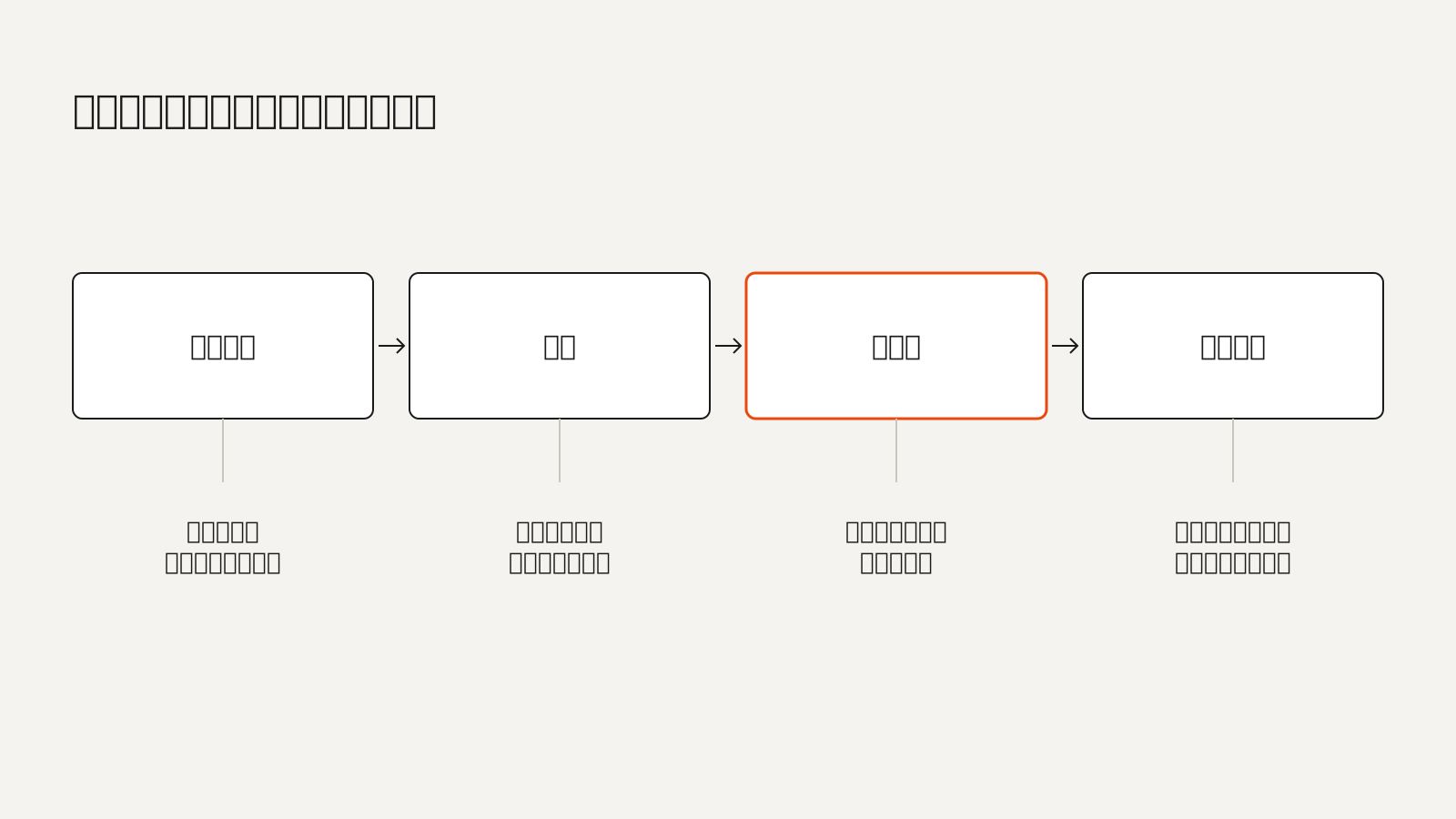
We use the term SNS activation for activations designed to include the point at which the experience is talked about on social media (the overall approach is summarized in What Is SNS Activation?). Since being talked about falls within the scope of design, the yardstick for measuring effectiveness must also be aligned to "whether it was talked about."
Why can't attendance alone explain effectiveness?
Attendance is strongly influenced by the size and location of the venue and the volume of promotion. Even if many people come, if they simply take photos on the spot and no one talks about the experience, nothing has reached the people outside the venue. Conversely, even at an invitation-only launch event with few attendees, if the invited guests describe the experience in their own words, it can reach many people who were not there.
If you report only "how many people came" internally, the only measures that come out of it for the next project are things like making the venue bigger or increasing promotion. If you measure across the three layers, you can see where in the experience to make improvements, as in "the invited guests posted, but there were few posts from general attendees." It is easier to handle attendance not as a number to discard, but as the denominator to attach when reading the three layers.
What should you look at in posts by invited guests?
In the first layer, you look at the post rate and the content of the posts. The post rate is the proportion of invited guests who actually posted. In our track record, across 37 projects and 390 people for whom we could track whether every attendee posted, the post rate was 94.6%. However, in projects with fewer than 10 people engaged, all 109 people posted, whereas in projects with 10 or more, the rate was 92.5% (Event Attendee Post Rate of 94.6%: The Assumptions Behind Your Estimate Change Around the 10-Person Mark).
If a high post rate is the baseline, the difference comes from the content. Are the experiences you wanted people to talk about mentioned in the posts? Do they describe what the person did at the venue, rather than just naming the product? For example, at a launch event built around trying a fragrance, counting how many posts included words about the scent will show you whether the design of the experience came across.
How should you count posts by general attendees (UGC)?
The second layer is posts by general attendees who were not asked to post. Posts by invited guests are the result of a request, so it is this layer that shows the strength of the experience itself. Hashtag searches alone capture only part of the picture, so you count including variations in how the brand name is written and mentions without tags (the counting method is covered in How Should You Count the Volume of UGC?).
Just as important as the number is how the experience is talked about. For example, at a limited-time pop-up, if the photos taken by attendees show mostly one particular spot in the venue, you can read that spot as having triggered the posts. Conversely, if there are photos but few words, the visuals may have been appealing but there may not have been enough to talk about. This reading can be applied directly to the next venue design.
From when to when should you look at branded search?
The third layer is how much searches for the brand name or product name increased. People who see a post may not react on the spot but look up the name later. This layer shows whether interest remained beyond the venue.
To compare, take periods of equal length before and after the event, check that they do not overlap with seasonal movements or other initiatives, and then line them up. If you look only at the period immediately after the event, it becomes hard to distinguish the effect from that of promotion. How to set the period is covered in detail in From When to When Should You Look at the Increase in Branded Search?. Because branded search is also affected by other factors, it is safer not to declare success or failure on this layer alone, but to read it together with the first and second layers.
How should you present the three layers when explaining internally?
In your report, list the three layers in order from the top, and attach a one-line note on "what we learned" to each. For example, for a new product launch event, writing something like "Nearly all invited guests posted, and the product trial, which was the core of the experience, was talked about often. Posts from general attendees were few, but searches for the product name increased after the event" lets readers see at a glance how far the message reached.
Consider another scenario: a pop-up that runs for several weeks. In this case, posts from general attendees play a bigger role than posts from invited guests, so looking at the second layer week by week can also inform decisions to adjust the venue's features mid-run.
Here is what to decide at the planning stage:
- Which of the three layers matters most this time
- Which words to count in the content of posts (words central to the experience)
- A list of brand-name and product-name spellings to search when collecting UGC
- The periods to compare for branded search, and any other initiatives that overlap
- Who will report internally, when, and in what format
The overall picture of how to build your metrics is also summarized in KPI Design for Influencer Campaigns: How to Combine Reach, Engagement, and Branded Search. Our approach, from experience design through actual measurement, is introduced on this page.
Scope of this article
This article covers how to build the yardstick for measuring the effectiveness of SNS activation. It does not cover how to measure contribution to sales, or how to separate effects when combined with advertising. Only published, actually measured figures are used, and no target benchmarks are given.
Conclusion
Attendance does not tell you whether the experience was talked about. By deciding the three layers in advance — posts by invited guests, posts by general attendees, and branded search — you can put into words "how far it reached" after the event is over, and connect it to the design of the next experience.