How to Explain Influencer Campaign Results Beyond Sales Figures
This article was automatically translated from the Japanese original. Read the original in Japanese

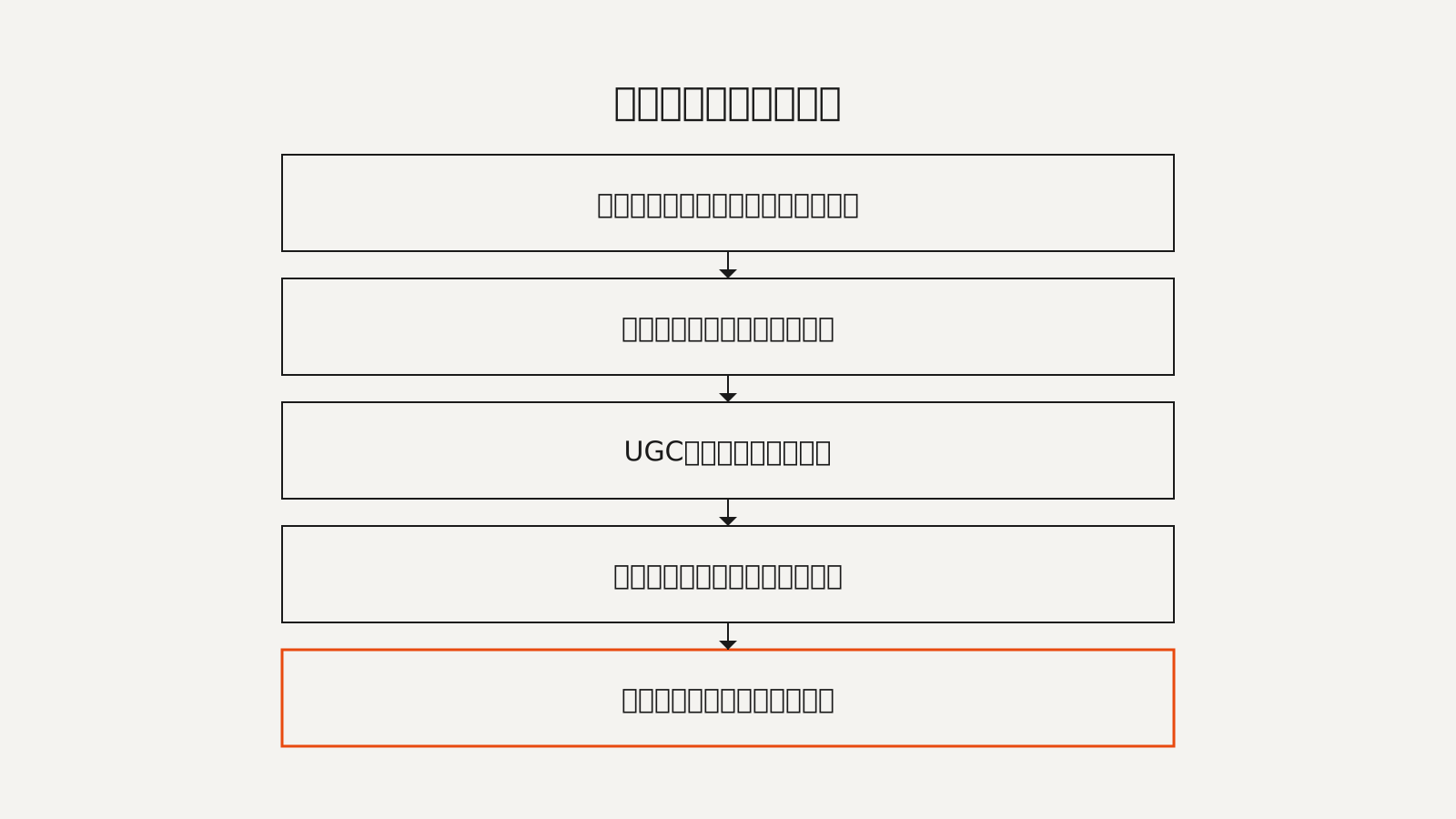
The changes that occur before reaching sales can be explained by accumulating intermediate metrics such as trends in branded search volume, the spread of UGC, and brand favorability. Relying on sales as the sole metric often obscures much of the change that a campaign actually generates.
Why Sales Alone Make It Hard to Explain Results
Sales are influenced by factors beyond the campaign itself. Seasonality, other promotions, and in-store inventory conditions all play a role, so judging a campaign's results based solely on changes in sales can fail to capture what actually happened. By examining what moved in the process leading up to sales, the campaign's true impact becomes visible.
Which Intermediate Metrics Should Be Accumulated
Trends in branded search volume indicate whether interest in the brand has grown. The spread of UGC indicates whether the campaign gained traction as a topic of conversation. Changes in comment section reactions and favorable mentions indicate how brand perception has shifted. Combining these metrics makes it possible to explain the changes that occur before reaching the outcome of sales.
How Should These Metrics Be Combined When Explaining Results
Rather than focusing on a single metric, it's important to line up multiple metrics chronologically and show how they changed before and after the campaign. Explaining the results in order of progression—"the stage where awareness spread," "the stage where interest grew," "the stage where favorable mentions increased"—makes it easier to convey achievements beyond sales.
What Preparation Is Needed Before the Campaign
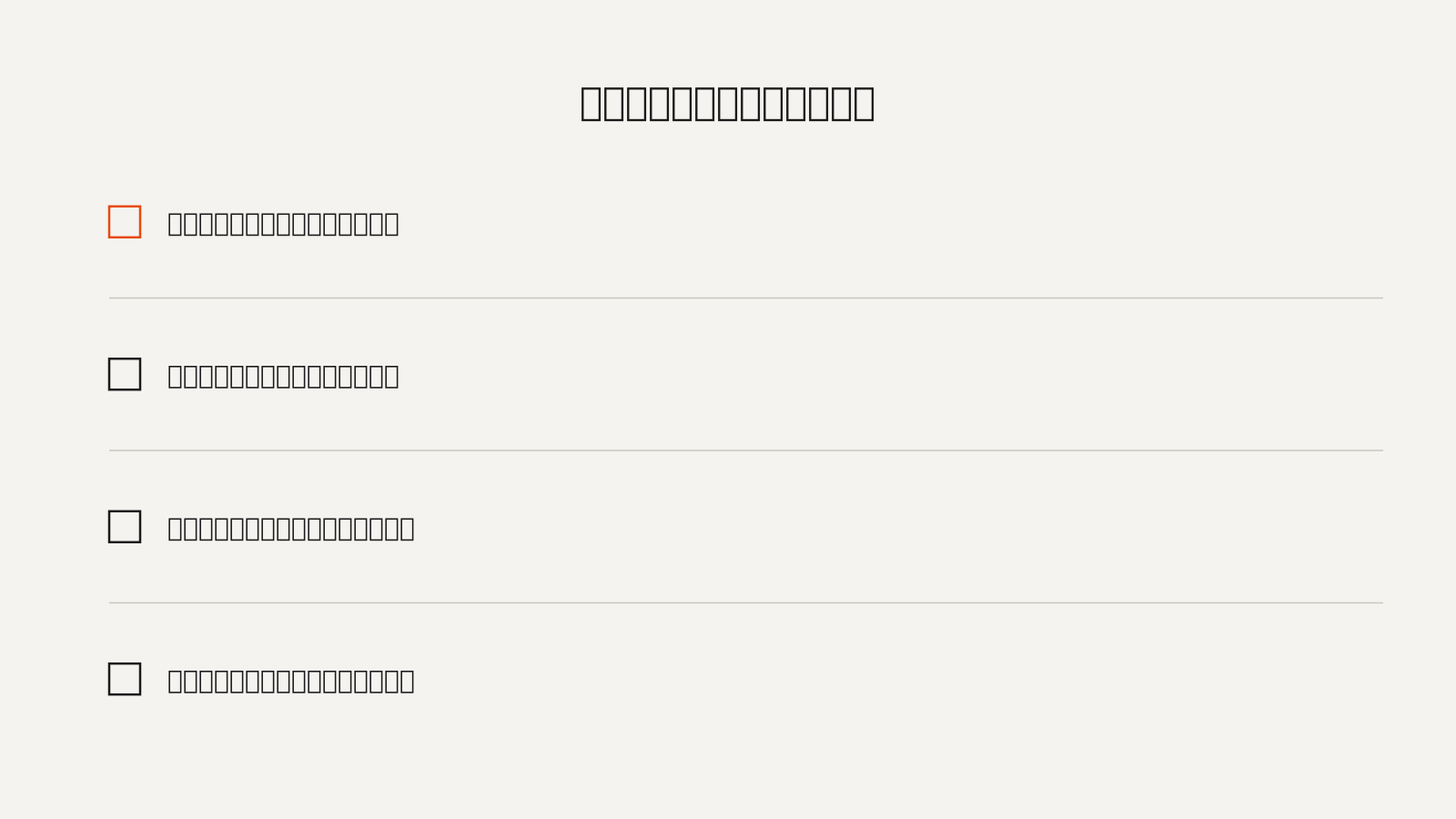
Before launching a campaign, it's necessary to establish baseline figures for comparison, such as branded search volume and the state of UGC activity. Without knowing the starting conditions, it becomes impossible to demonstrate the changes that occur after the campaign. Which metrics to track should be decided in advance, based on the campaign's objectives.
Scope of This Article
This article covers the approach to explaining results using metrics beyond sales. For definitions of individual metrics, please see The Difference Between Reach and Impressions — How to Read the Numbers in an SNS PR Report. For a comprehensive look at KPI design, see KPI Design for Influencer Campaigns — How to Structure Reach, Engagement, and Branded Search.
Closing Thoughts
Explaining the changes that occur before reaching sales by accumulating multiple intermediate metrics—this is the fundamental practice for accurately communicating a campaign's results.