SNS Activation Case Studies: Two Exhibitions That Put a Brand's Past Pieces in a Place People Can Experience Today
This article was automatically translated from the Japanese original. Read the original in Japanese
What the two exhibitions have in common is that they did not stop at lining up a brand's past pieces in glass cases. They placed a "present-day context" right next to them. Elements alongside the archive, such as vintage clothing you can buy, materials on how Japanese people wear fashion, and the works of the collaborating artists themselves, became entry points for visitors to talk about the brand in their own words. SNS activation means designing an activation to include the stage where the experience gets talked about on social media, and these two cases offer material for thinking about how to turn an anniversary or commemorative exhibition into a place that gets talked about.
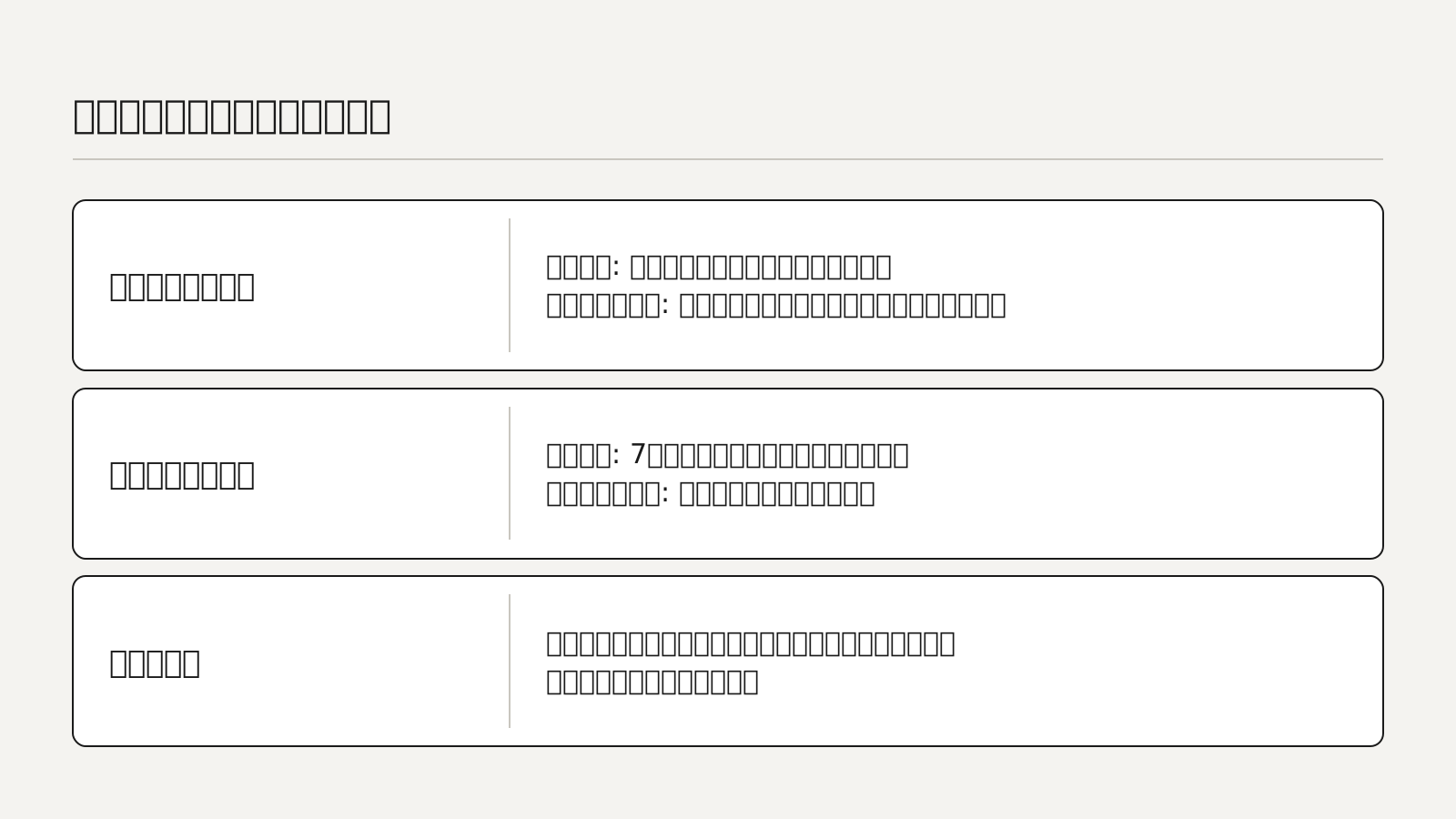
| Country / Region | Industry | What they did | Mechanism for generating SNS conversation | Source |
|---|---|---|---|---|
| Japan (Harajuku, Tokyo) | Apparel | At a 60th-anniversary event, placed an archive exhibition and a vintage market in the same venue | Vintage pieces visitors can buy, not just look at, and materials showing the relationship with Japanese styling | FASHIONSNAP |
| France (Paris) | Leather goods | At an art fair venue, held a retrospective of seven years of artist-collaboration bags | A layout that placed the bags alongside the works of the artists who created them | Luxury Daily |
Case 1: A Market of Buyable Vintage Next to the Archive
Ralph Lauren held an event commemorating its 60th anniversary in Harajuku, Tokyo, for three days, from October 23 to 25, 2026. Admission was free with advance reservation. At the venue, the archive stored in New York was displayed by style: Western, country, sport, and collegiate. Materials showing the relationship with Japanese fashion culture were also on view, along with one-of-a-kind upcycled pieces inspired by sashiko stitching. Entries for a lottery sale of the one-of-a-kind pieces were also accepted.
In the adjacent space, a vintage market with participating vintage shops from Japan and abroad was held, with items arranged in spaces styled to match the atmosphere of each category. Every day during the event, talks featuring creators who love the brand were also held. The event is planned to travel around the world with changing content, and Japan is described as the first stop.
What gives people something to talk about in this design is that "seeing" the archive and "acquiring" vintage pieces from the same lineage are connected in the same venue. Visitors can connect the past pieces on display with the item they bought or the clothes they usually wear, and post about it. The brand's history is translated into the visitor's own story about their clothes.
Case 2: Collaboration Bags Displayed Alongside the Artists' Works
Louis Vuitton held a retrospective at a Paris art fair venue to mark seven years since the start of its program of bags designed by artists. It was open to the public from October 23 to 25. The exhibition showed seven years of bags side by side with the works of the artists who created each one. A new collection was also announced and displayed together with a 1930s suitcase.
The exhibition's container was also designed with intent. Open wooden crates, pedestals, and trunk-like structures were built from aluminum and canvas, creating a space reminiscent of the storage and transport of artworks. The fixtures themselves speak to the brand's origins as a packing and trunk-making workshop in the 19th century.
What gives people something to talk about here is the way the bags are presented: not as "products" but as "one piece within a lineage of works." Visitors can compare a bag with the original work and find for themselves what was carried over. What they find becomes the text of their post as it is.
Why Do Past Pieces Become Something to Talk About?
On their own, past pieces tend to stop at reactions like "nostalgic" or "rare." The two exhibitions turned those reactions into personal stories by placing next to the past pieces an element that visitors could connect to themselves. In Case 1, vintage clothing available for purchase and materials on Japanese styling played that role; in Case 2, it was the creators' own works.
Another common point is that the exhibition's container carries the brand's origins. The fixtures in Case 2 express the trunk-maker origins, and the style-by-style displays in Case 1 show the lineage of how the clothes are worn. Because the container itself stands in for an explanation, visitors understand what they are looking at without reading captions.
What to Decide When Applying This in Japan
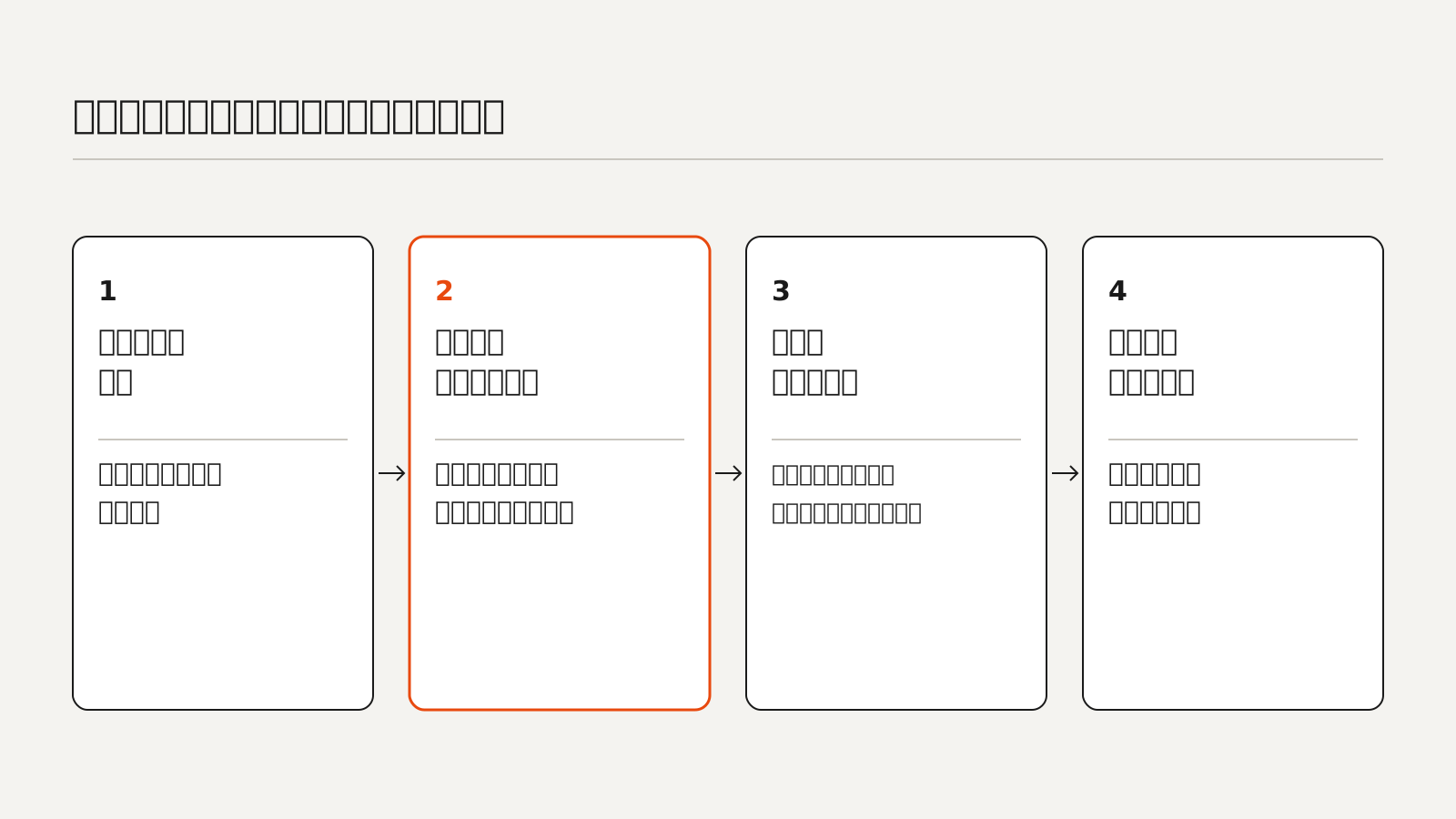
- Narrow down to pieces whose provenance you can explain in your own words, prioritizing the story of each piece over the number of pieces
- Decide on one "present-day context" to place next to the past pieces (items to buy, local culture, creators' works)
- Build elements that convey the brand's origins into the exhibition's container and how the space is divided
- Prepare something visitors can take home (items they can obtain, conversations during the event, lottery participation)
- When inviting guests, tell them "what can be compared with what" before the exhibition's highlights
This approach relates to both the "experience design" and the "talkability design" outlined in What Is SNS Activation?. How we approach the design process is summarized on our service page. For an example of events not aimed at sales, see Why Does a Cultural Space That Doesn't Sell Products Give People Something to Talk About?.
Scope of This Article
This article reads the structure of the two exhibitions based on facts stated in published press coverage. It does not cover visitor numbers, sales results, costs, or details of statements by those involved. It is not intended to rank the initiatives, but only to lay out the structure of "why they become something to talk about."
Conclusion
An archive, simply lined up, remains something outside the viewer. By placing the "present" beside it and creating an entry point visitors can talk about as their own story, an anniversary exhibition changes from a place of commemoration into a place that gets talked about.