How Much Safety Responsibility Should Organizers Take When Outdoor Brands Work with Influencers?
This article was automatically translated from the Japanese original. Read the original in Japanese

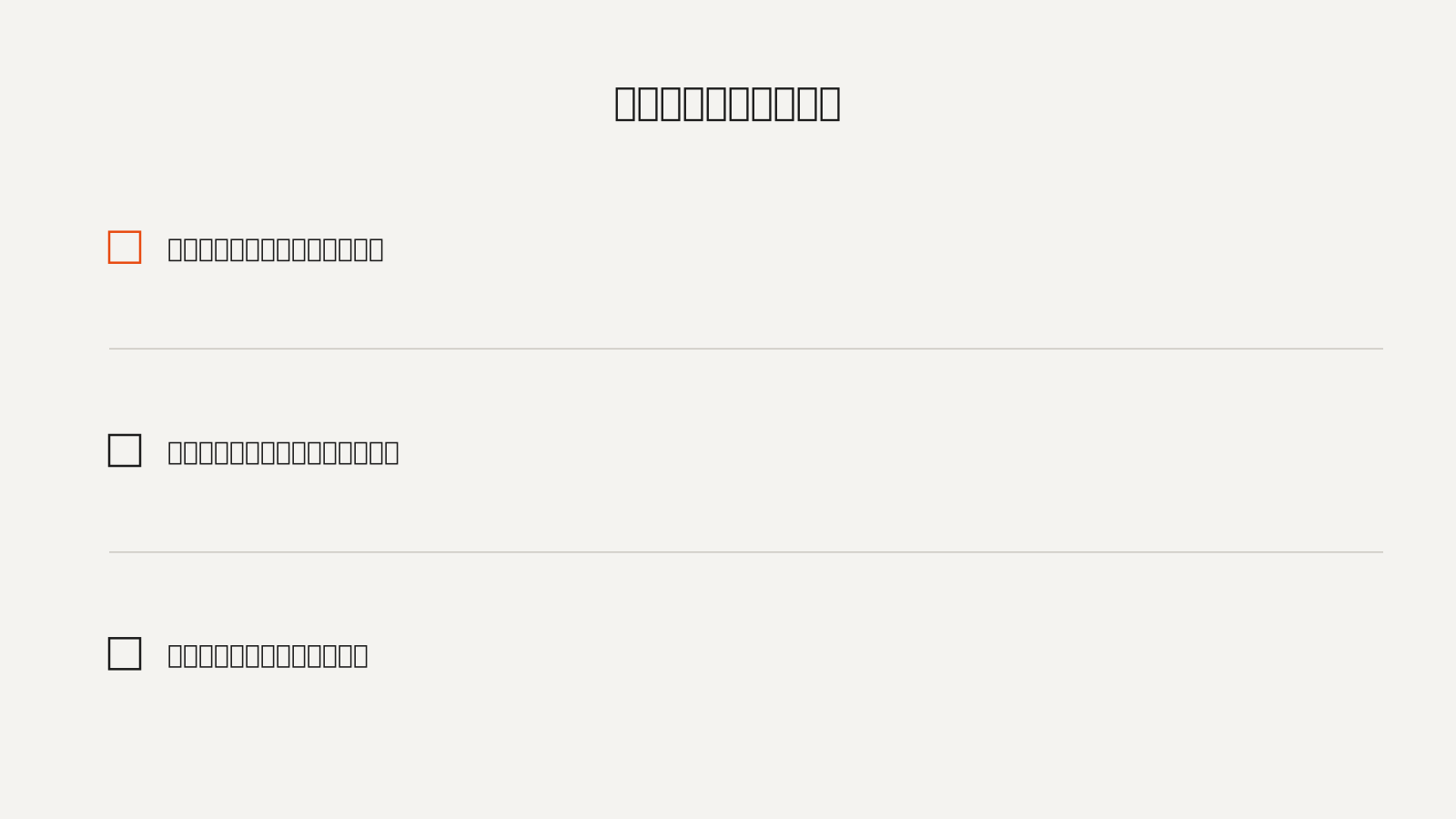
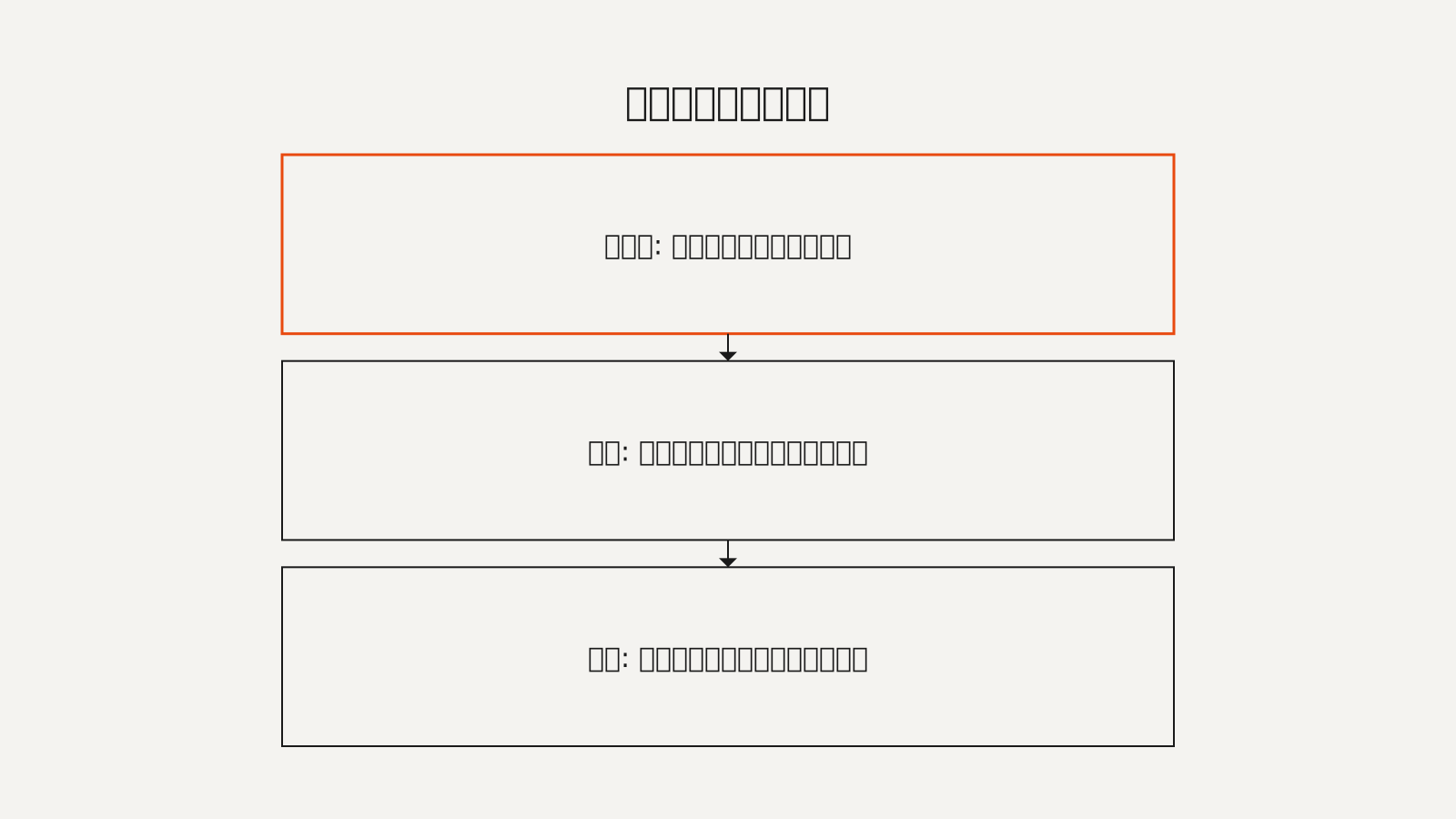
At outdoor brand experience events, a practical dividing line is for the organizer to take responsibility for safety briefings and guidance on insurance coverage, while leaving judgments based on each person's physical ability to the influencer's own self-assessment.
Why This Dividing Line Works in Practice
The organizer is in a position to accurately communicate the risks involved in a program, as well as whether insurance is in place and what it covers. On the other hand, each person's fitness level and exercise experience are known only to that individual, so the organizer cannot make a blanket judgment about them. As noted in How to Design an Experience Event That Invites Influencers for an Outdoor Brand, event design needs to account for the fact that each participant arrives with different prerequisites, and safety management should divide roles in line with this premise.
What Safety Management Should the Organizer Be Responsible For?
The organizer is responsible for explaining the program content and its associated risks in concrete terms before participation. The organizer should also let participants know whether insurance is in place and, if so, what the coverage includes. Preparing for external risks such as weather is also part of the safety management the organizer should arrange in advance.
What Should Be Left to the Individual's Self-Assessment?
Whether a person can take part in the program, based on their own physical ability and condition, is an area that should be left to their self-assessment. Once the organizer has explained everything thoroughly, it is the individual's role to decide whether to participate and how far to challenge themselves. If this line is blurred, the organizer ends up shouldering judgments that it should not be responsible for in the first place.
Scope of This Article
This article covers the thinking behind dividing safety management roles between the organizer and the individual. It does not cover how to choose specific insurance products or the procedures to follow when an accident occurs.
Conclusion
We believe safety management for outdoor brands works best when the organizer communicates risk and insurance information thoroughly, and leaves the decision on whether each person can participate to that individual.