In Which Scenarios Do Influencer Campaigns in the Food and Beverage Industry Tend to Backfire?
This article was automatically translated from the Japanese original. Read the original in Japanese
In the food and beverage industry, influencer campaigns tend to backfire in two main scenarios: scenes showing large quantities of food being sampled, which can evoke associations with food waste, and posts that overemphasize health benefits.
Why Do Large-Quantity Tasting Scenes Tend to Backfire?
Filming in a way that shows someone taking just one bite and discarding the rest can lead viewers to associate the content with food waste. Even if no food is actually thrown away, depending on how the footage is presented, viewers may perceive it as treating a large amount of food carelessly. As mentioned in What Common Traits Do Sponsored Collaboration Posts That Backfire Share?, even when the poster has no such intention, the way a clip is framed and shared can still provoke backlash. When planning a tasting scene, it's important to take precautions such as filming with a quantity that can realistically be finished, and deciding in advance how any leftovers will be handled.
Why Does Overemphasizing Health Benefits Tend to Backfire?
Because food and beverages are products people actually consume, this is an area where gaps between expected effects and actual experienced results are easily pointed out. Posts that make definitive claims about health benefits carry the risk of being criticized for lacking evidence or being flagged as exaggerated claims. As mentioned in How Far Can Beauty Brands Go When Communicating Ingredient and Efficacy Claims in Influencer Posts?, how ingredients and effects are communicated is an area that requires careful boundaries regardless of industry.
What Should Be Confirmed at the Planning Stage to Avoid Backlash?
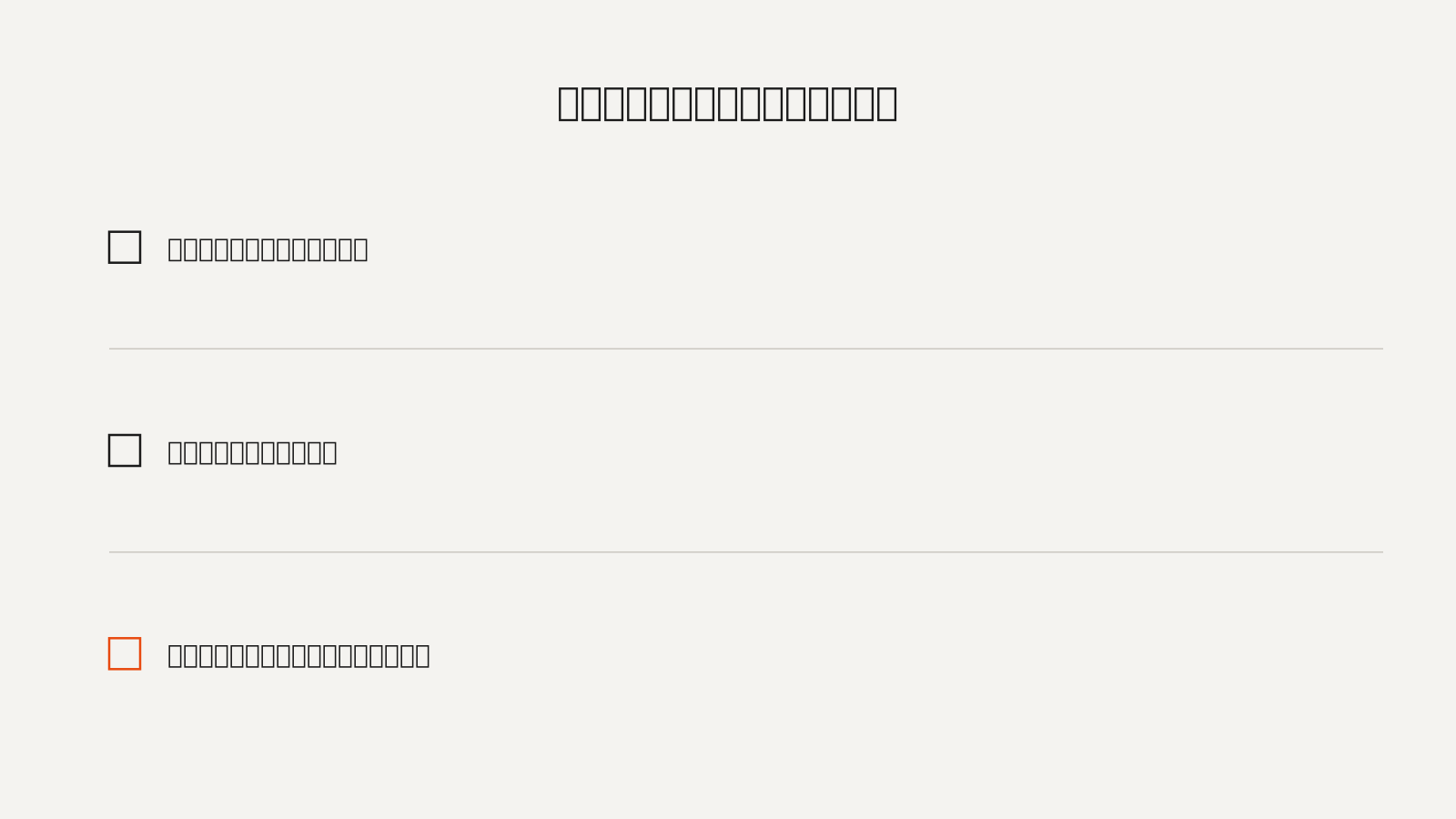
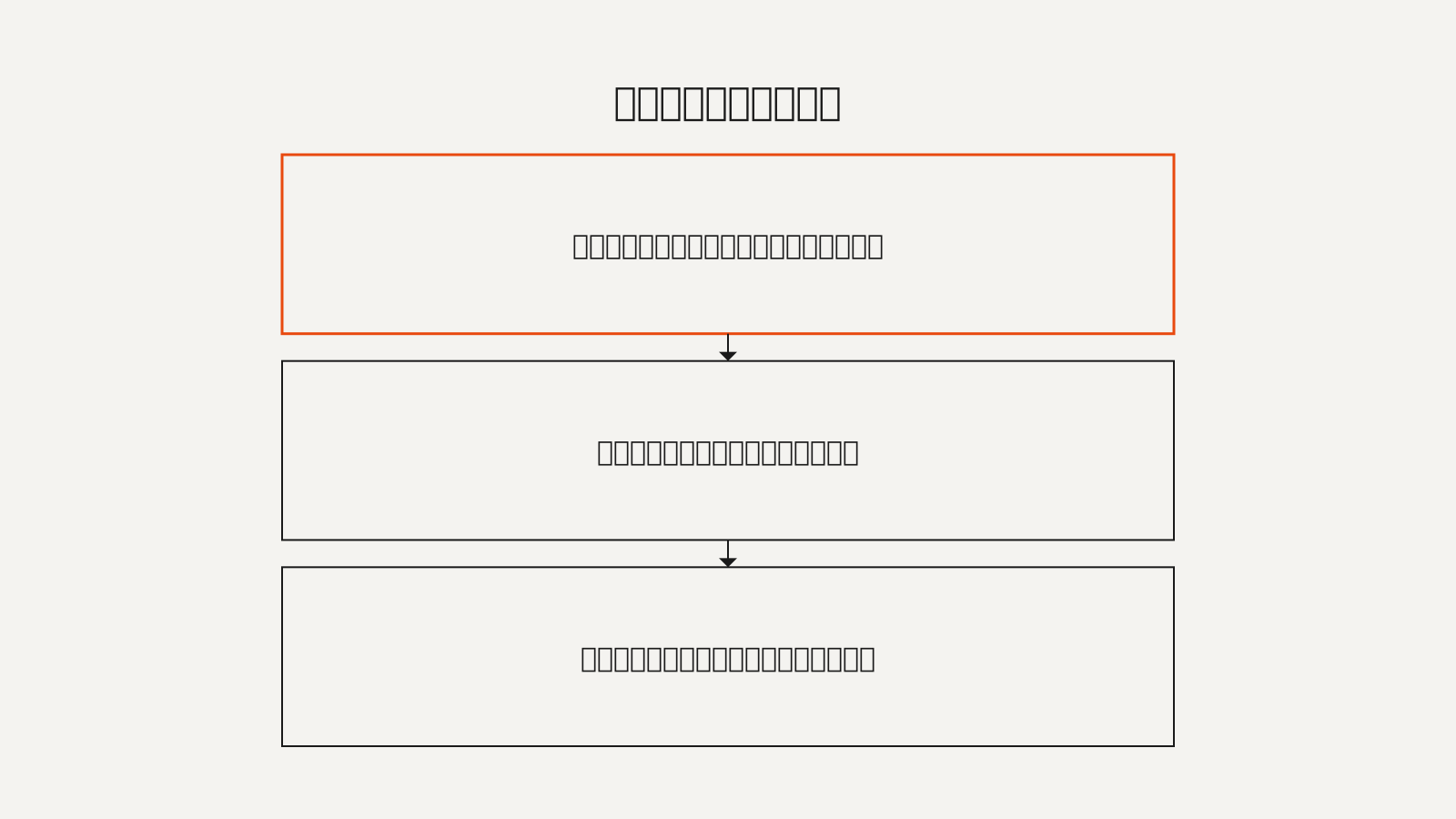
Both how tasting scenes are filmed and how health benefits are worded should be aligned in advance, at the stage when the post is being commissioned. Rather than leaving these decisions to on-the-spot judgment during filming, sharing agreement on what will be shown and how it will be expressed at the planning stage can reduce the risk of backlash before it arises.
Scope of This Article
This article addresses tendencies in scenarios where the food and beverage industry is prone to backlash. It does not cover response procedures for when a backlash has actually occurred.
Closing Thoughts
We believe that backlash in the food and beverage industry often stems from factors that can be prevented at the planning stage—namely, visual presentation that evokes food waste and excessive emphasis on health benefits.